How to Make Sea Glass Jewelry: 3 DIY Methods for Beginners
Victor
Founder of Sea Glass Map
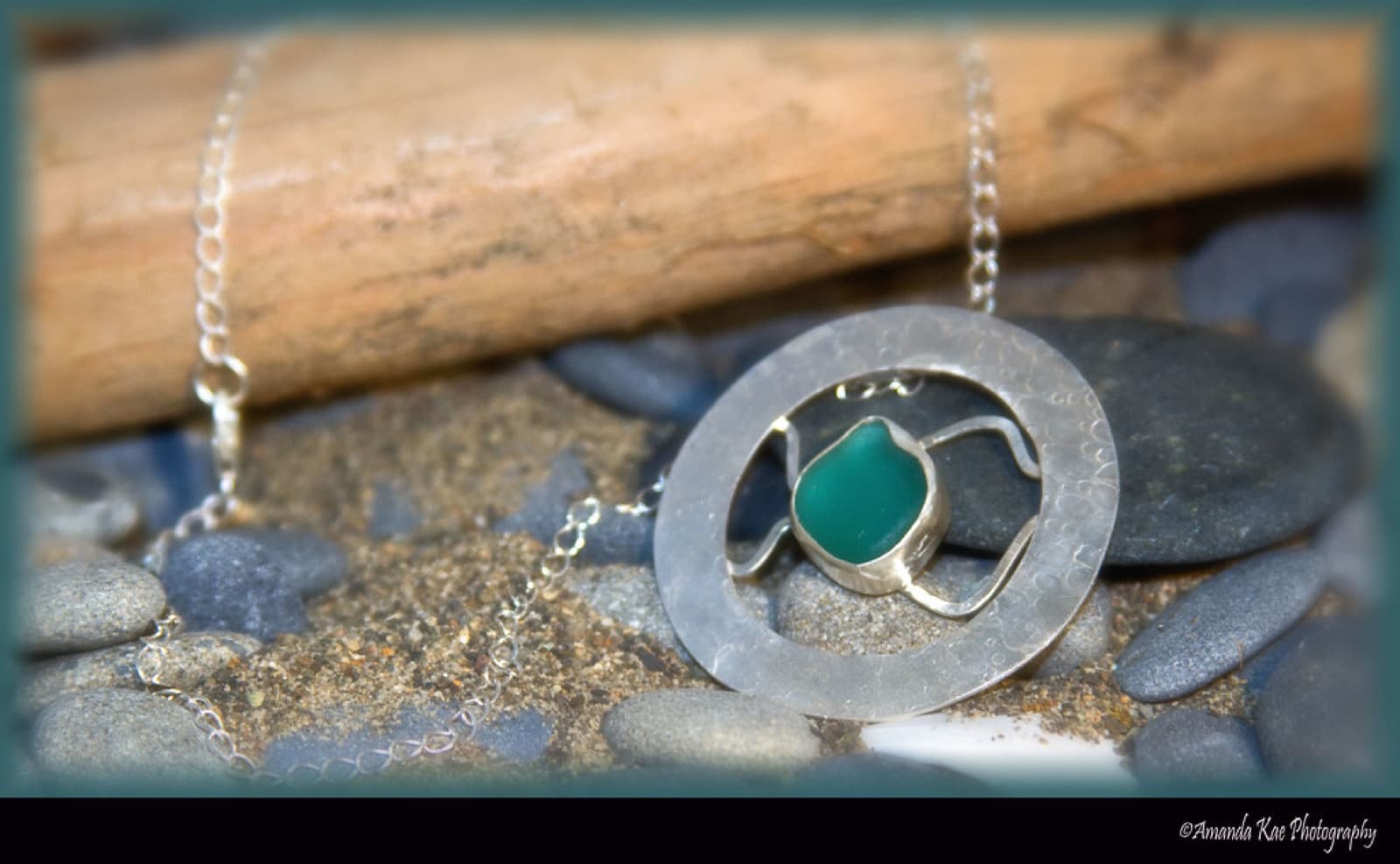
There are three ways to turn sea glass into jewelry at home: wire wrapping (no tools beyond pliers, about 10 USD to start), drilling (a rotary tool and diamond bits, 60-100 USD), and bezel setting (pre-made settings and adhesive, 25-40 USD). Wire wrapping is where almost every collector starts: a first pendant takes about 30 minutes and needs no hole in the glass.
This guide walks through all three methods step by step, what each one costs, the mistakes that crack glass, and what to know before selling your pieces.
| Method | Difficulty | Startup cost | Time per piece | Best for |
|---|---|---|---|---|
| Wire wrapping | 1/5 | ~10 USD | 20-40 min | First projects, pendants, any shape |
| Drilling | 3/5 | 60-100 USD | 15-30 min | Charms, linked designs, earrings |
| Bezel setting | 2/5 | 25-40 USD | 15 min + curing | Rings, polished professional look |
Choosing the Right Sea Glass Pieces
Not every find makes good jewelry. Select for:
- Full frosting. The matte, sugary patina is the whole point. Shiny or half-frosted pieces have not tumbled long enough (and look it once mounted).
- Shape. Triangles, ovals, and teardrops hang best as pendants. Flat rounds suit rings and stud earrings. For earrings, match two pieces in size and color before committing.
- Size. 2-4 cm works for pendants; under 1.5 cm for earrings.
- No cracks. Hold the piece up to light and check for internal fractures. A cracked piece will split during drilling and can shear a wire wrap.
If you are unsure whether a piece is genuine, run it through the checks in our sea glass identification guide.
Method 1: Wire Wrapping (Easiest, ~10 USD)
Wire wrapping needs no hole and no power tools, and mistakes cost you a few centimeters of wire rather than a broken piece of glass.
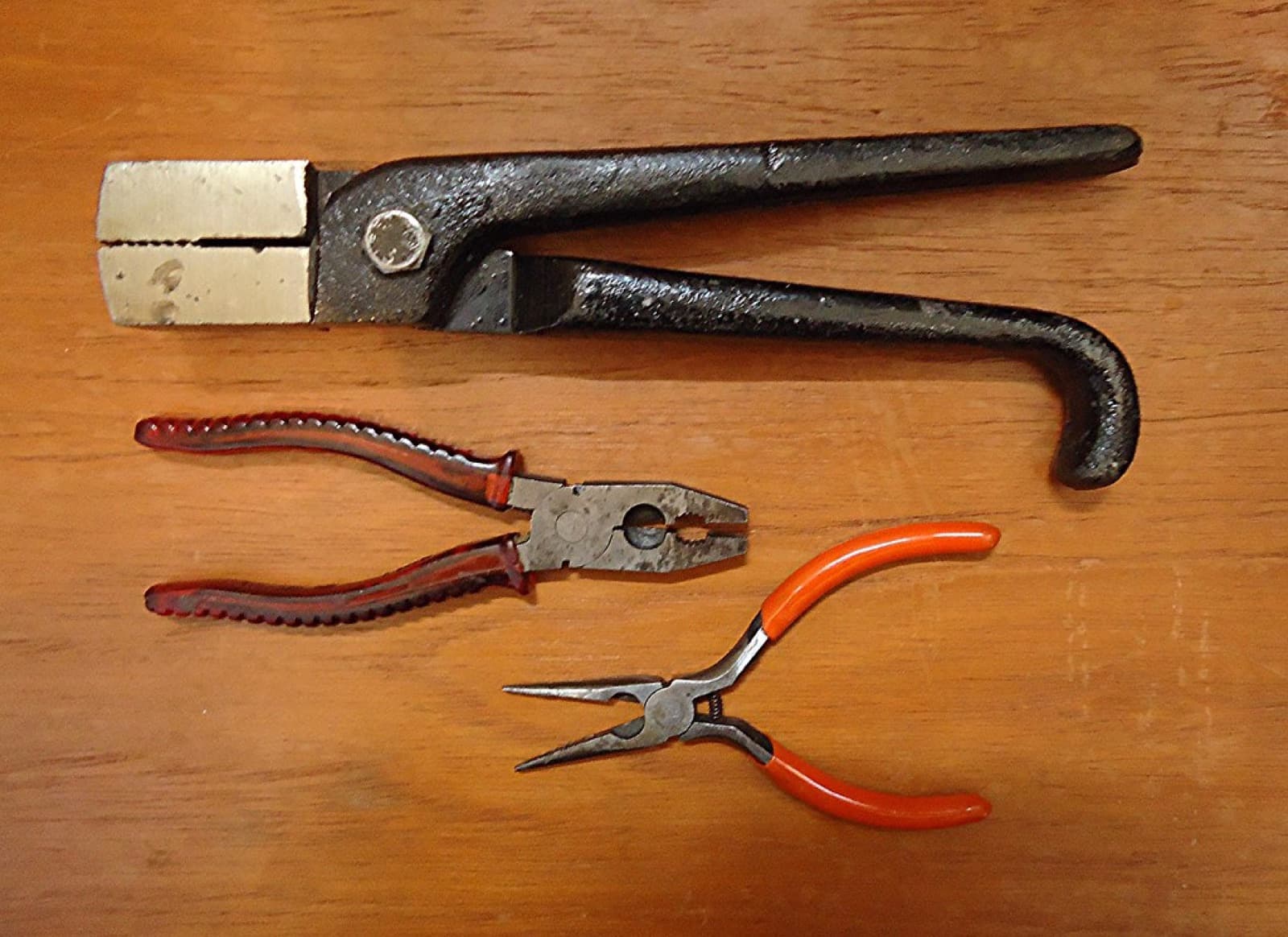
Supplies: 20-gauge craft wire (silver-plated ~6 USD per 10 m roll, or copper ~4 USD), round-nose pliers, flat-nose pliers, and wire cutters (a basic 3-plier jewelry kit runs ~12 USD). Fine silver wire upgrades the look later for ~15 USD.
- Cut about 30 cm of wire.
- Make a small loop at one end with the round-nose pliers. This is the bail, where the chain will pass.
- Hold the glass against the wire just below the loop.
- Wrap the wire around the glass, crossing at the back to build tension.
- Continue for 2-3 wraps, snug but not forced. The crossings, not pressure, hold the glass.
- Trim and tuck the wire end flat against the back with the flat-nose pliers.
- Thread a chain or cord through the bail.
A first pendant takes 30-40 minutes; by the third one you will be under 20.
Method 2: Drilling Sea Glass (Most Versatile, 60-100 USD)
Drilled pieces open up every design: direct hanging, linked bracelets, chandelier earrings. The technique is simple, but the two rules are absolute: diamond bits only, and always drill under water.
Supplies: a rotary tool (Dremel 3000 ~70 USD, or a no-name equivalent ~30 USD), diamond-coated drill bits 1.5-2 mm (~8 USD for a 10-pack; each bit drills 10-20 holes), a shallow dish, masking tape, and safety glasses.
- Stick masking tape on both faces of the glass where the hole will go. It stops chipping and gives the bit grip to start.
- Submerge the piece under about 1 cm of water in the dish, resting on a scrap of wood or a sponge.
- Start the drill at a 45-degree angle to bite a small notch, then tilt up to 90 degrees.
- Use light, steady pressure and let the bit grind. Forcing it is what cracks glass and burns bits.
- Keep the glass submerged the whole time. The water cools the bit and carries away glass dust.
- Ease off as you feel the bit break through; the exit side chips if you push through fast.
A hole takes 2-5 minutes depending on thickness. Expect to sacrifice one or two pieces while learning: start on common whites and browns, never on your rare colors.
Method 3: Bezel Setting (Cleanest Look, 25-40 USD)
A bezel frames the glass in metal for a boutique finish, with no hole and no wrapping visible. It is mostly an assembly job, which makes it the fastest method per piece.
Supplies: pre-made bezel cups or rings with bezel plates (2-5 USD each in sterling-plated brass, more in silver), E6000 adhesive or two-part epoxy (~6 USD), rubbing alcohol, and a burnishing tool (~8 USD) if you use formable bezel wire.
- Choose a cup the glass sits in snugly, with 1-2 mm of metal wall above the glass edge.
- Clean both glass and cup with rubbing alcohol; skin oil is why settings fail.
- Apply a thin layer of adhesive inside the cup. Thin: excess squeezes out and fogs the glass.
- Press the glass in firmly and let it cure for 24 hours.
- With formable bezel wire, burnish the wall gently over the glass edge once cured.
- Attach the finding: earring post, bail, or ring band.
Troubleshooting: The Three Classic Failures
- Glass cracks mid-drill. Cause: too much pressure, a dry bit, or an invisible internal fracture. Fix: lighter touch, always under water, and light-check every piece before drilling.
- Wire wrap slips off. Cause: wraps rely on pressure instead of crossings. Fix: cross the wire at the back on every pass and finish with a tucked end; the geometry locks it.
- Adhesive fogs the glass. Cause: too much glue squeezing up the sides of the bezel. Fix: a thin bead only, and wipe overflow immediately with alcohol before it cures.
Caring for Sea Glass Jewelry
Keep wire-wrapped pieces dry; water tarnishes copper and silver-plated wire over time. Store pieces separately to avoid scratches, and clean with a soft dry cloth. If a piece loses its frost from handling, a light pass with 600-grit sandpaper restores the matte surface.
Selling Your Sea Glass Jewelry
Handmade sea glass jewelry sells on Etsy, at craft markets, and in beach-town boutiques, and pieces in rarer colors (cobalt, red, lavender) command a clear premium. The market is crowded, though, and prices swing too much with craftsmanship and buyer to quote a reliable chart. What genuinely sets a piece apart is provenance: buyers pay for the story of the find, so tell it. Two rules keep your reputation: always disclose genuine sea glass versus tumbled craft glass, and photograph pieces in natural light against a plain background. Share your finds and finished pieces with the community on Sea Glass Map.
Frequently asked questions
Can you drill sea glass without cracking it?
Yes, with a diamond-coated bit, light pressure, and the glass submerged in about 1 cm of water. Cracks come from forcing the drill, dry bits, or pieces with existing internal fractures.
What glue works best on sea glass?
E6000 adhesive or two-part epoxy. Clean the glass with rubbing alcohol first, apply a thin layer, and cure for 24 hours. Superglue turns cloudy and fails on frosted surfaces.
How much does it cost to start making sea glass jewelry?
About 10 USD for wire wrapping (wire plus a basic plier kit), 25-40 USD for bezel setting, and 60-100 USD for drilling, where the rotary tool is the main expense.
What does handmade sea glass jewelry sell for?
It varies too much to quote reliable numbers: prices depend on color rarity, craftsmanship, and above all the story behind the find. Rare-color pieces like cobalt or red command a clear premium. Always disclose genuine sea glass versus tumbled craft glass.