What Is Sea Glass? Colors, Rarity Chart & Where to Find It
Victor
Founder of Sea Glass Map
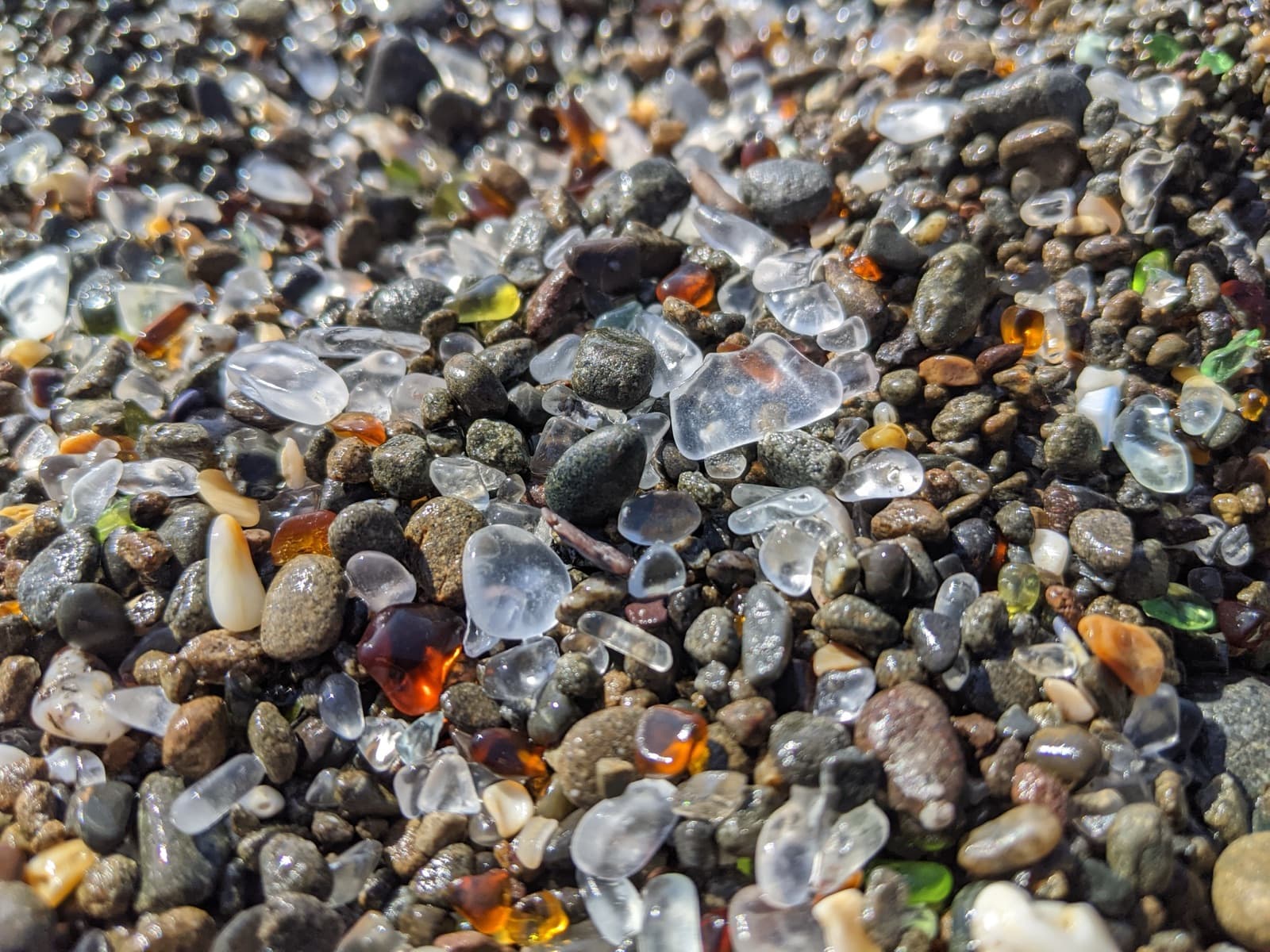
Sea glass is broken glass, from bottles, jars, and tableware, that has been naturally tumbled and frosted by ocean waves, sand, and saltwater over 20 to 50 years, turning sharp shards into smooth, matte, jewel-like pebbles. Collectors prize it for its colors and its history: every piece started as a man-made object, sometimes over a century ago, and was finished by the sea.
This guide covers how sea glass forms, which colors are rare (with the full rarity chart), how to tell real sea glass from fakes, and where to start looking.
How Is Sea Glass Formed and How Long Does It Take?
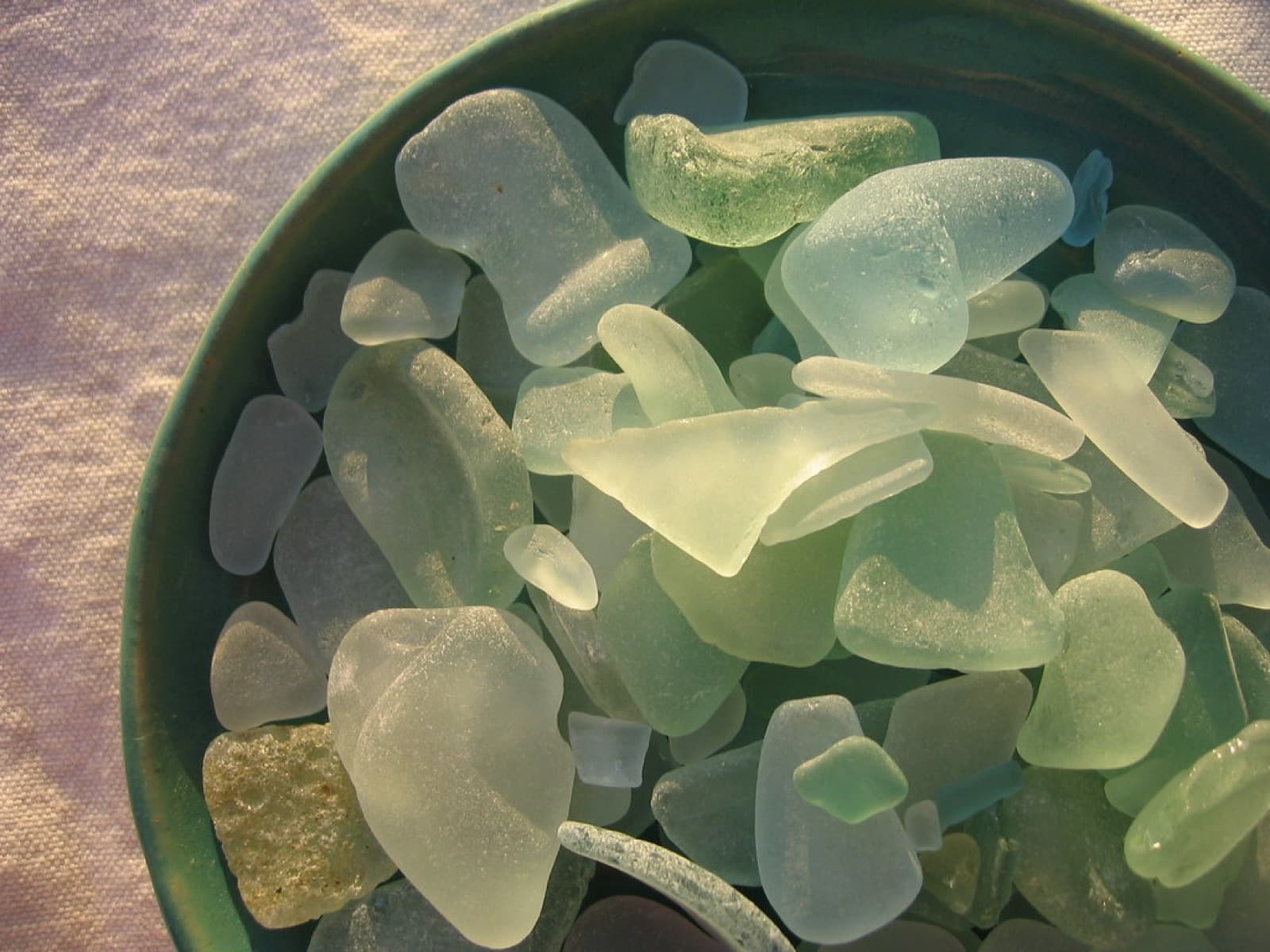
Genuine sea glass takes between 20 and 50 years to form, and the most frosted pieces have often been in the water far longer. When glass enters the ocean (a bottle tossed from a ship, an old seaside dump, a river carrying urban waste), two processes work on it at once. Saltwater slowly leaches soda and lime out of the glass surface through a chemical reaction called hydration, which creates the frosted, pitted patina. At the same time, sand, pebbles, and wave action physically tumble the shard, rounding its edges.
The result is the signature look of true sea glass: a uniformly matte surface with tiny C-shaped marks visible under magnification, and softly rounded edges with no shiny spots. Warm, active water speeds the process up slightly; sheltered cold water slows it down.
What Is the Rarest Sea Glass Color?
Orange is generally considered the rarest sea glass color, followed by red. Rarity comes down to a simple fact: how much glass of that color was ever manufactured. The most-cited estimates, from Richard LaMotte's research in *Pure Sea Glass*, put red at roughly one piece in 5,000 and orange at one in 10,000; take any figure more precise than that with a grain of salt, because odds vary enormously from beach to beach. The chart below follows the rarity ranking collectors broadly agree on:
| Color | Typical source | Rarity |
|---|---|---|
| White / clear | Bottles, jars, windows | Common |
| Brown | Beer and whiskey bottles | Common |
| Green | Wine, beer and soda bottles | Common |
| Seafoam | Coca-Cola and mineral bottles (pre-1960s) | Uncommon |
| Soft blue / cornflower | Medicine and ink bottles | Uncommon |
| Olive / amber | Old spirits bottles, insulators | Uncommon |
| Cobalt blue | Noxzema jars, Milk of Magnesia, poison bottles | Rare |
| Aqua | Ball mason jars, telegraph insulators | Rare |
| Purple / lavender | Sun-turned pre-WWI clear glass | Rare |
| Black | 18th-19th century bottles (dark olive held to light) | Very rare |
| Red | Car taillights, ship lanterns, Anchor Hocking ware | Very rare |
| Orange | Decorative and art glass | Rarest |
A useful detail for identification: hold a black piece up to strong light. True black sea glass almost always reveals a deep olive or amber core, because it comes from very old, thick bottle glass rather than truly black material.
Our sea glass color guide goes through each color: where it usually came from, how to tell its age, and how many of the beaches on the map have reported it.
Sea Glass vs. Beach Glass: What's the Difference?
The two terms are often used interchangeably, but collectors draw a line. Sea glass comes from saltwater coasts: the salt chemistry produces the deep frosting. Beach glass comes from freshwater shores like the Great Lakes; it tumbles the same way but frosts less, so pieces tend to be smoother and shinier. Both are genuine, naturally made finds. The word to be careful with is "tumbled glass", which means man-made imitation.
How to Tell Real Sea Glass From Fake
Craft-tumbled and acid-etched glass is widely sold as sea glass, so authenticity matters, especially if you buy rather than find. Five checks separate the real thing from imitations:
- Uniform frosting. Genuine frosting covers the whole surface evenly, including inside pits. Acid-etched fakes look hazy rather than frosted, and machine-tumbled glass often has shiny patches.
- C-shaped marks. Under a loupe, real sea glass shows tiny crescent impact marks from decades of tumbling. Fakes are usually too smooth.
- Imperfect shapes. The ocean does not make matched sets. Suspiciously regular triangles or uniform "gems" in identical sizes are tumbler products.
- Thickness and bubbles. Old glass is often thicker, slightly wavy, or holds tiny air bubbles: signs of vintage manufacture that imitators rarely fake.
- Price sanity. Genuine red or orange sea glass is rare enough that it almost never sells cheap, and never in bulk. A bag of matched "red sea glass" for a few dollars is tumbled craft glass.
A Short History of Sea Glass
Sea glass is a snapshot of what people drank, stored, and threw away over the last two centuries. Purple pieces come from pre-World War I clear glass whose manganese turned lavender in the sun. Cobalt blue traces back to medicine bottles of the early 1900s. Seafoam is largely early Coca-Cola and mineral water bottles. Depression-era tableware from the 1920s-40s supplies most yellows and pinks.
That history also explains why sea glass is a diminishing resource. Glass packaging peaked in the mid-20th century and was largely replaced by plastic from the 1970s onward, while coastal dumping has thankfully declined. Less glass has entered the sea every decade since, which means well-frosted sea glass gets a little harder to find every year.
Where to Find Sea Glass: What Makes a Good Beach
The best sea glass beaches share four characteristics:
- A historical glass source nearby. Old ports, fishing villages, former seaside dumps, and river mouths that drained towns for decades all feed glass into the water.
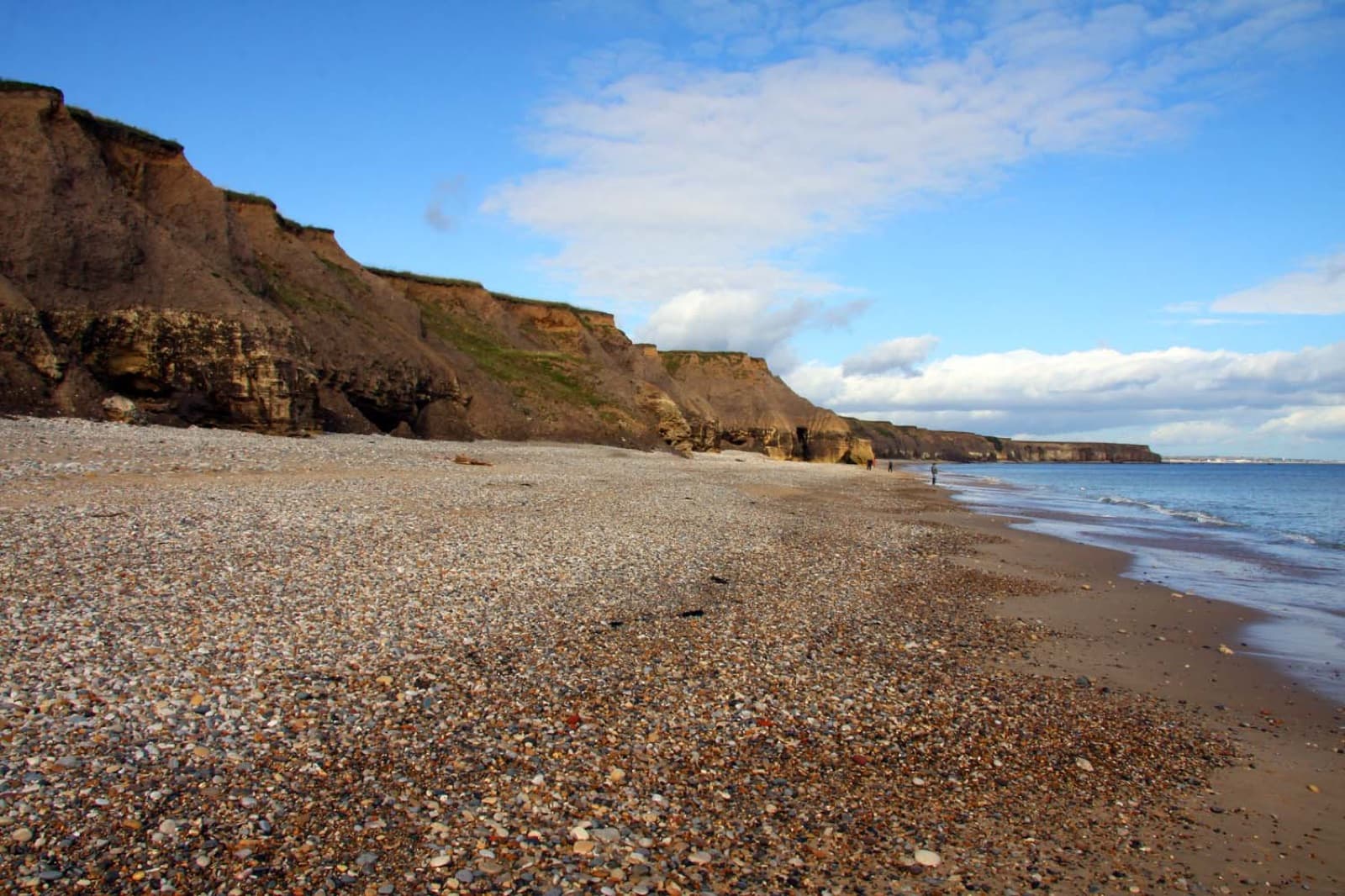
- Rocky or pebbly shoreline. Gravel and rock traps glass and tumbles it; fine flat sand lets it wash away.
- Strong wave action. Exposed coasts with real surf frost glass faster and push it ashore more often.
- A natural trap. Coves, points, and the down-current end of a bay concentrate what the sea carries.
Once you have the beach, timing and technique do the rest. Our guide to how to find sea glass covers the tides, the storms and how to train your eye.
Timing multiplies your odds. Go at low tide (spring tides around the new and full moon expose the most beach), walk the wrack line where waves drop material, and go after storms, which churn glass up from the seabed. Winter storm seasons are the productive months on most coasts.
Famous Sea Glass Beaches Around the World
- Glass Beach, Fort Bragg, California. A former town dump (1906-1967) turned into the world's most famous sea glass site. Note that collecting is prohibited here; it sits within MacKerricher State Park. See the Glass Beach, Fort Bragg spot. For eighteen American spots, see our state-by-state US guide.
- Seaham, England. The Londonderry bottleworks dumped glass waste into the North Sea for over a century until 1921. Seaham still produces multicolored "multis" prized worldwide, including rare reds. See the Seaham Hall Beach spot. For ten British spots, see our guide to the best sea glass beaches in the UK.
- Glass Beach, Port Allen, Kauai. A small Hawaiian cove near Hanapepe where the basalt shore tumbles glass into sparkling sand. See the Glass Beach, Port Allen, Kauai spot.
- Ussuri Bay, Russia. A Soviet-era porcelain and glass dumping ground near Vladivostok, now a beach of tumbled color.
- Okinawa, Japan. Post-war debris feeds several productive beaches along the East China Sea, like Toguchi Beach in Yomitan. See the Toguchi Beach, Yomitan spot.
- Glass Sand Beach, Omura Bay, Japan. An artificial beach of tumbled recycled glass, created in 2016 to help clean the bay, minutes from Nagasaki Airport. See the Glass Sand Beach, Omura Bay spot.
- Thailand's Gulf and Andaman coasts. Less famous but genuinely productive; see our dedicated guide to the best sea glass beaches in Thailand.
- The Greek islands. Three thousand years of harbour towns seed the old ports' beaches with frosted glass, from Naxos to Rhodes; see our guide to sea glass in Greece.
For beaches near you, the community on Sea Glass Map pins real finds worldwide, with photos and notes from the collectors who found them.
Is Sea Glass Valuable?
Mostly not in the way people expect, and that is part of its charm. A market does exist: flawless, jewelry-grade pieces in rare colors change hands between collectors, and rarity, condition (thick frosting, no chips), and size all push prices up. But the market is small and crowded, and prices swing so much with the piece and the buyer that any fixed price chart deserves suspicion. Ask most collectors and value is beside the point anyway: a piece is a specific morning, a specific beach, a story. That is deliberately how Sea Glass Map works too: nothing on the map ranks finds by monetary value. If you would rather wear your finds than price them, see our guide to making sea glass jewelry.
Is It Legal to Collect Sea Glass?
On most public beaches, yes. The exceptions are protected areas: national and state parks, marine reserves, and heritage coastlines often prohibit removing any material, natural or man-made (Fort Bragg's Glass Beach is the best-known example). Check local rules before you fill your pockets; we've verified them destination by destination in Can You Take Sea Glass Home?
Frequently asked questions
How long does it take for glass to become sea glass?
Between 20 and 50 years in active saltwater, and the thick, deeply frosted pieces collectors prize most have usually tumbled far longer, often 50 to 100 years.
What is the rarest sea glass color?
Orange is the rarest (the most-cited estimate, from Richard LaMotte's Pure Sea Glass, is roughly 1 in 10,000 pieces), followed by red at about 1 in 5,000. White, brown, and green are by far the most common colors.
How can you tell if sea glass is real?
Real sea glass has uniform frosting over the whole surface, tiny C-shaped impact marks visible under magnification, rounded but irregular shapes, and no shiny patches. Perfectly matched shapes and sizes indicate machine-tumbled imitation.
Is sea glass worth money?
Rare colors in flawless condition do sell between collectors, but prices vary too much with size, condition, and buyer for any fixed chart to be reliable. Most sea glass is worth far more as a keepsake than on the market, and most collectors like it that way.
 United Kingdom
  United States
  Japan
Japan