10 Best Sea Glass Beaches in Thailand (Local's Guide 2026)
Victor
Founder of Sea Glass Map
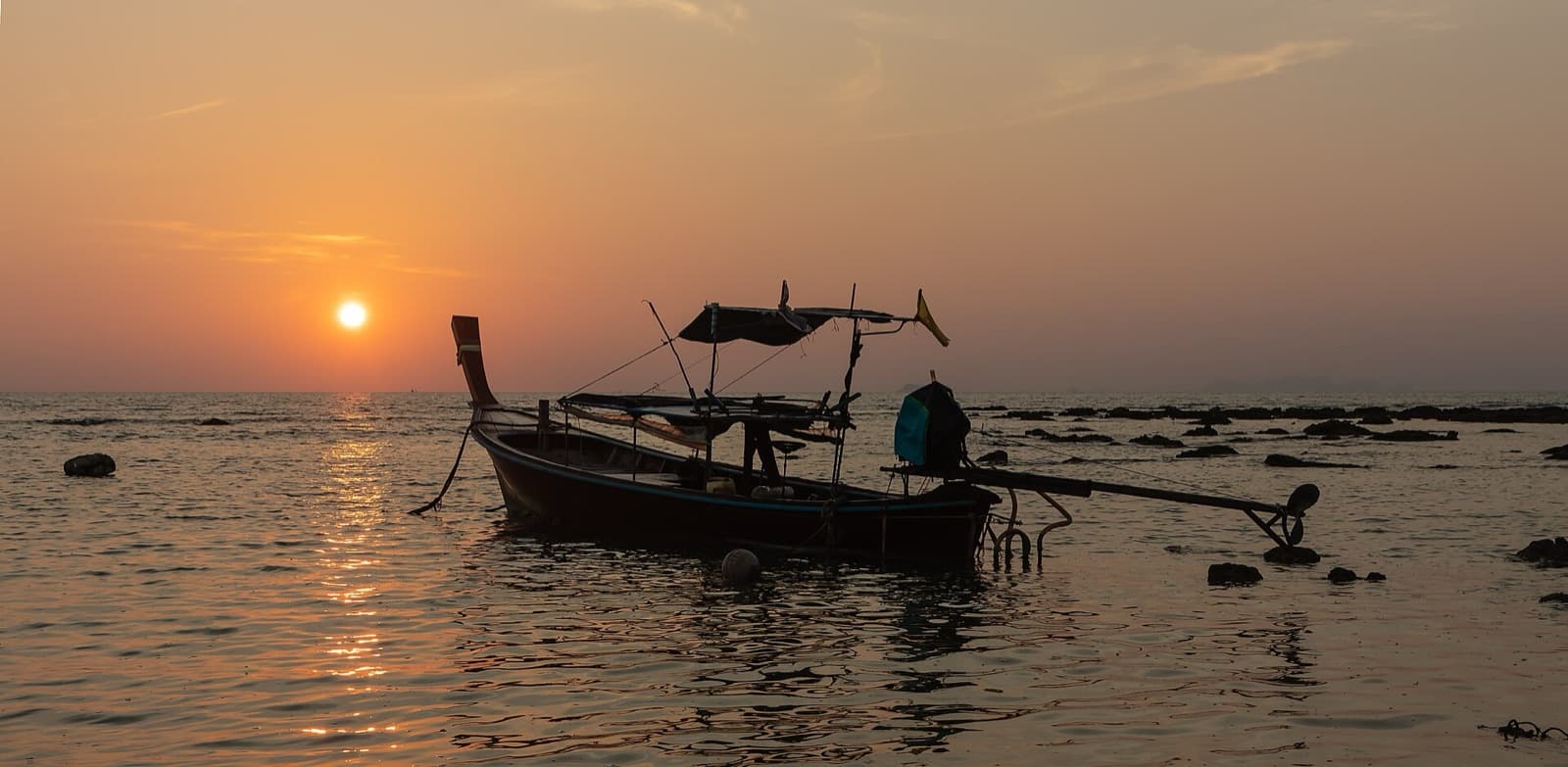
The best sea glass beaches in Thailand are Koh Larn and Koh Sichang in Chonburi, Hua Hin's southern stretch, Samila Beach in Songkhla, and the rocky north end of Kamala Beach in Phuket. On the Gulf coast, hunt from November through February after the northeast monsoon; on the Andaman side, the weeks after the May-October southwest monsoon are the most productive. Low tide, early morning, is the golden window everywhere.
Thailand's 3,219 km of coastline mixes old trading ports, fishing villages, and busy urban shores: exactly the conditions that produce sea glass. This guide details ten proven spots, how to reach them, and what you can realistically expect to find. If you hunt one of them, consider pinning your finds on Sea Glass Map; the Thai coast deserves more collectors comparing notes.
| Beach | Region | Access | Colors to expect | Best months |
|---|---|---|---|---|
| Koh Larn (Tawaen, Samae) | Gulf, Chonburi | 45 min ferry from Pattaya | Green, brown, white | Nov-Feb |
| Bang Saen | Gulf, Chonburi | 1h drive from Bangkok | Green, brown, soft blue | Nov-Feb |
| Hua Hin South | Gulf, Prachuap | Walk south from town | White, green | Nov-Feb |
| Koh Sichang | Gulf, Chonburi | 40 min ferry from Si Racha | Brown, amber, occasional cobalt | Nov-Feb |
| Laem Chabang | Gulf, Chonburi | Road, near the port | Industrial colors, thick glass | Nov-Feb |
| Haad Rin, Koh Phangan | Gulf, Surat Thani | Ferry from Koh Samui / Surat Thani | Green, brown, white | Feb-Apr |
| Koh Lanta Old Town | Andaman, Krabi | Road from Saladan pier | Brown, olive, white | Nov-Apr |
| Samila Beach | Gulf, Songkhla | In Songkhla town | Green, white, seafoam | Dec-Mar |
| Rayong coast | Gulf, Rayong | Road, Ban Phe to Mae Ramphueng | Mixed, river-fed variety | Nov-Feb |
| Kamala North, Phuket | Andaman, Phuket | Road, north end of the beach | Green, brown, white, rare aqua | Nov-Apr |
1. Koh Larn, Chonburi
A 45-minute ferry from Pattaya's Bali Hai Pier (or 15 minutes by speedboat), Koh Larn concentrates decades of tourism glass in its currents. The western beaches, Tawaen and Samae, catch the most material; work the rocky ends rather than the groomed central sand. Expect mostly greens and browns from beer bottles, with whites mixed in. Weekdays are far quieter, and the first hours after sunrise beat the crowds to fresh deposits.
2. Bang Saen Beach, Chonburi
An hour from Bangkok, Bang Saen is a local weekend beach rather than a tourist resort, which keeps the southern rocky outcrops surprisingly productive. Fishing activity and the nearby Bang Pakong river mouth feed a steady variety of glass. This is one of the better Gulf spots for the occasional soft blue piece among the usual greens and browns. See the Bang Saen spot.
3. Hua Hin South Beach
Walk south from Hua Hin town toward Khao Takiab and the sand turns coarser, with longshore drift from the upper Gulf dropping material along the way. Whites and greens dominate. Go at low tide: the beach flattens dramatically and exposes the wrack lines where glass settles. After a storm, this stretch can be checked again the very next morning.
4. Koh Sichang, Chonburi
A 40-minute ferry from Si Racha, Koh Sichang has been a deep-water anchorage since the 19th century, when ships transferred cargo bound for Bangkok. The port side of the island collects fragments from over a century of shipping. It is the Gulf's best bet for older, thicker glass: ambers, olives, and occasionally cobalt. Search the beaches flanking the pier area rather than the scenic west coast. Collectors have logged two here: Ao Tham Jok Kok and the one they simply call Seaglass Beach.
5. Laem Chabang Area
The beaches around Thailand's largest container port are not scenic, and that is exactly why they deliver: industrial and shipping glass that appears nowhere else in the country, often thick and unusually colored. A spot for dedicated hunters rather than a family outing. Combine it with Bang Saen or Koh Sichang, both under an hour away.
6. Haad Rin, Koh Phangan
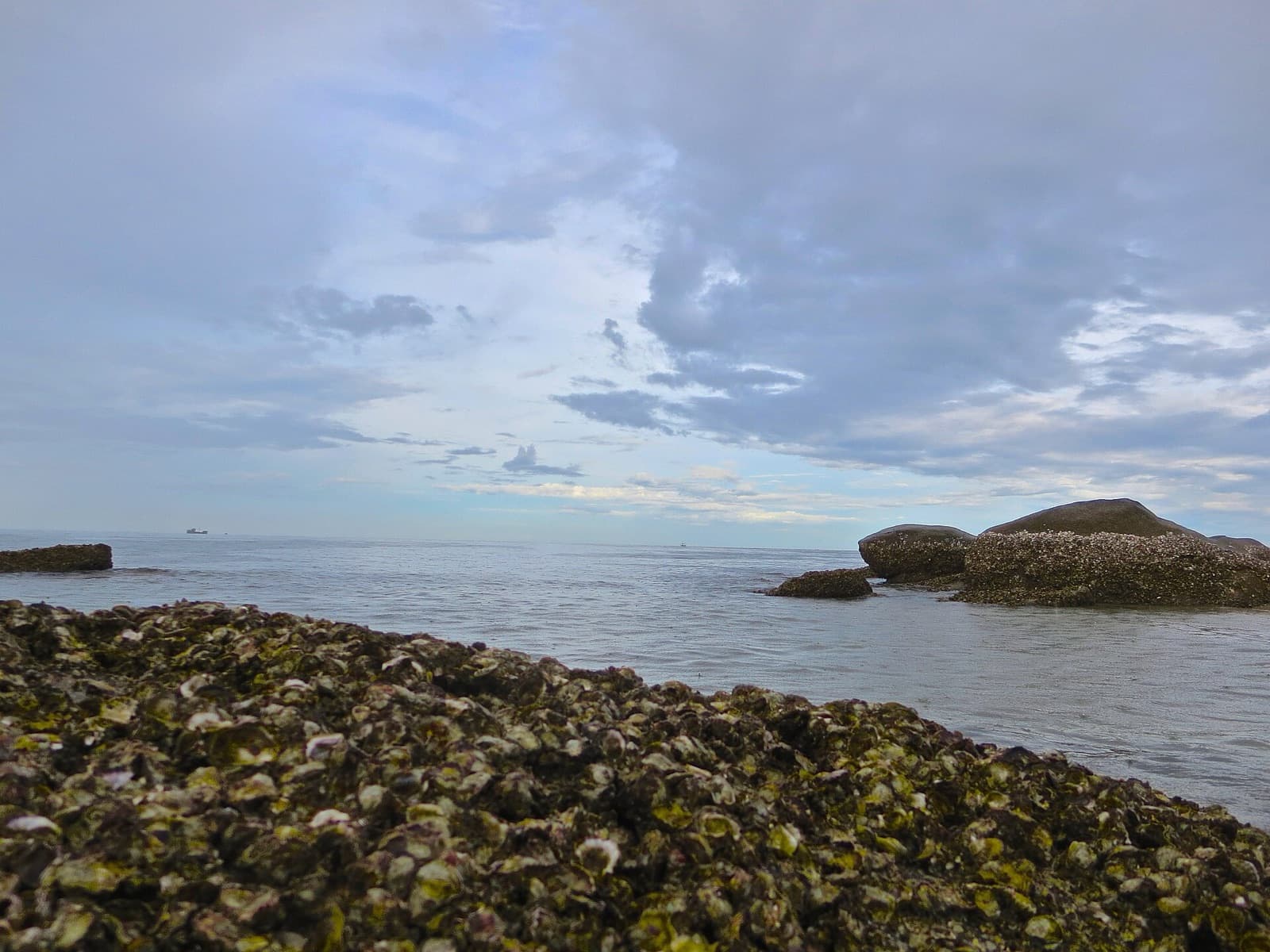
Haad Rin hosts the Full Moon Party, and decades of beachfront nightlife left a legacy the waves have been polishing ever since. Hunt the rocky southern headland in the days after a party at low tide, when staff cleanups have taken the fresh debris and the sea gives back the old, frosted pieces. February to April, between monsoon seasons, offers the calmest access.
7. Koh Lanta, Old Town Side
Lanta Old Town on the island's east coast was a Chinese-Malay trading port for over a century. The mangrove-fringed shore in front of the stilt houses has rocky stretches where old port glass accumulates among coral rubble. Browns and olives dominate, consistent with old trade bottles. Check the exposed flats at low tide; the west-coast resort beaches see far more tourists but hold far less glass.
8. Samila Beach, Songkhla
Songkhla is one of southern Thailand's oldest port cities, and Samila's long sandy arc, backed by Songkhla Lake's outlet, acts as a natural trap for anything washing along the lower Gulf. Seafoam greens turn up here more often than elsewhere in Thailand. The beach is in town, minutes from the old quarter, making it the easiest hunt on this list to combine with a city trip. December to March, after the northeast monsoon, is prime.
9. Rayong Coast
The 12 km stretch between Ban Phe (the Koh Samet ferry pier) and Mae Ramphueng beach hides a series of small coves fed by several river mouths that drain inland towns. Each river mouth is a lottery ticket: variety is the draw here, with river-fed glass adding colors the open Gulf rarely produces. Drive the coastal road and check each rocky point; the coves west of Ban Phe are the most consistent.
10. Kamala Beach North End, Phuket
Skip Patong's cleaned sand and head one bay north. Kamala's rocky northern end catches what the Andaman swell carries after the May-October southwest monsoon. Greens and browns are the staples, whites are regular, and this is the Andaman coast's most reliable spot for an occasional aqua. November to April offers safe swimming access to the rocks; during the monsoon itself, stay off this exposed corner.
What Colors to Expect in Thailand
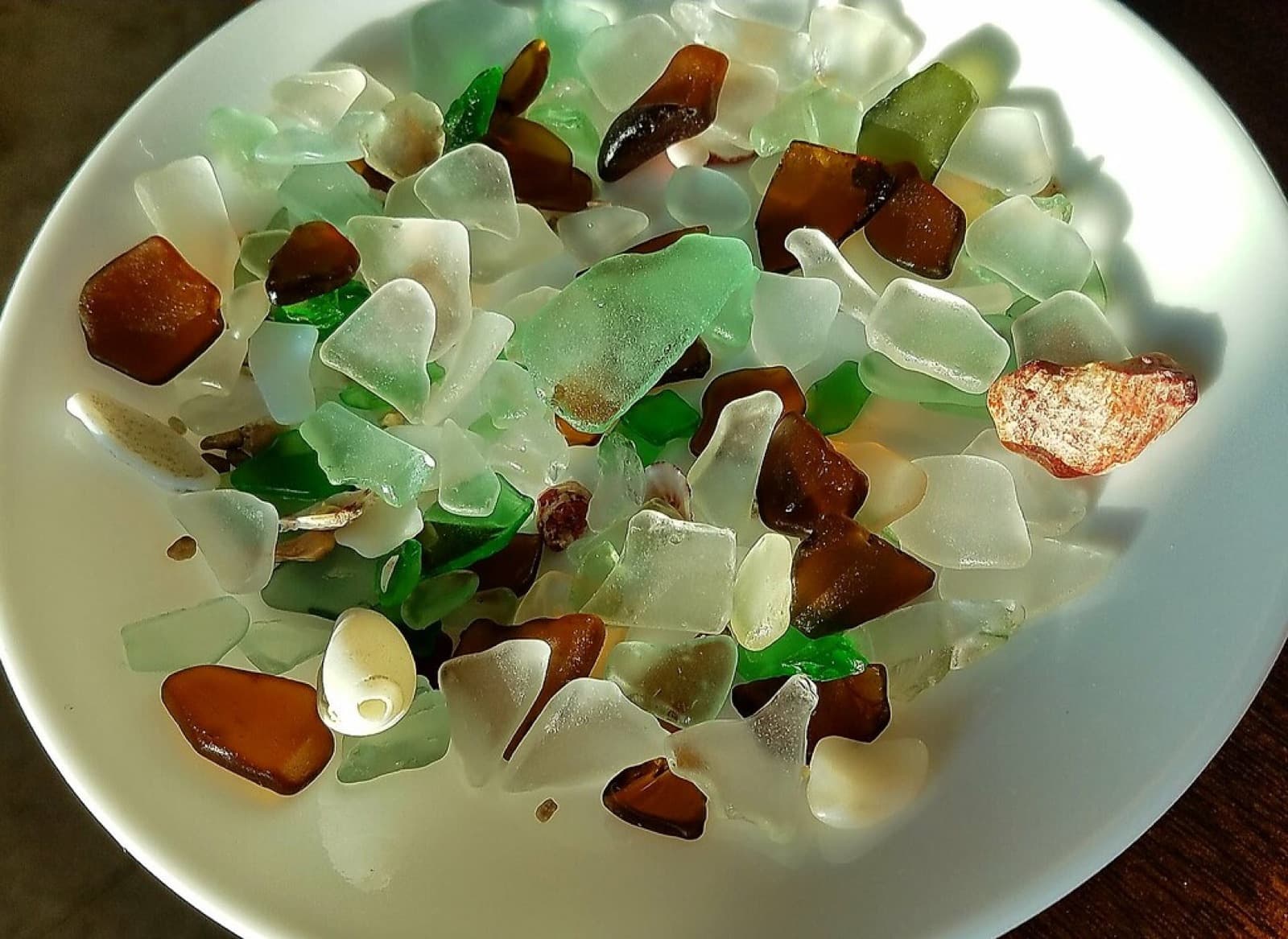
Thai sea glass has a distinct profile. Greens and browns dominate, courtesy of decades of Chang, Singha, and Leo beer bottles. Whites from spirit bottles and fishing gear come next. Soft blues appear around river mouths and older ports, aquas occasionally on the Andaman side. Reds and oranges are nearly absent: the tableware and automotive glass that produces them in the West never entered Thai waters in quantity. Pieces also run smaller than Atlantic finds, because warm, active water tumbles glass to completion faster.
Is Collecting Sea Glass Legal in Thailand?
On public beaches, collecting sea glass is legal and unregulated. The exception is Thailand's national marine parks managed by the Department of National Parks (Mu Ko Similan, Mu Ko Surin, Ao Phang Nga, Hat Noppharat Thara and others), where removing any material, shells, sand, coral, or glass, is prohibited and fined. Several beaches on the Andaman coast sit inside park boundaries, so check the park maps on the DNP site before you hunt.
Tips for Sea Glass Hunting in Thailand
- Season: November-February on the Gulf coast, November-April on the Andaman side. The weeks right after each monsoon are the most generous of the year, when months of churned-up material lands ashore.
- Time of day: first light, at low tide, before beach cleaning crews and other walkers.
- Where to look: rocky points, coral rubble patches, and the wrack line. Thai resort beaches are raked daily; the unraked ends are where glass survives.
- What to bring: a mesh bag, reef-safe sunscreen, and water shoes for the rocks.
- Log your finds: pin them on Sea Glass Map to build the Thai collecting community and see where others are finding glass right now.
Frequently asked questions
When is the best season for sea glass in Thailand?
November through February on the Gulf coast, right after the northeast monsoon, and November through April on the Andaman side. The weeks immediately after each monsoon deposit the most fresh material.
Which Thai beach has the most sea glass?
Koh Larn's western beaches near Pattaya and Koh Sichang's port side are the most consistent producers, thanks to decades of tourism and shipping. Samila Beach in Songkhla is the best pick in the south.
Is it legal to collect sea glass in Thailand?
Yes on public beaches. It is prohibited inside national marine parks such as Mu Ko Similan or Ao Phang Nga, where removing any material is fined. Check park boundaries before hunting on the Andaman coast.
What sea glass colors are common in Thailand?
Green, brown, and white dominate, mostly from Chang, Singha, and Leo beer bottles. Soft blues appear near river mouths, aqua occasionally on the Andaman coast. Red and orange are nearly absent in Thai waters.
 Thailand