10 Best Sea Glass Beaches in the UK (2026 Guide)
Victor
Founder of Sea Glass Map
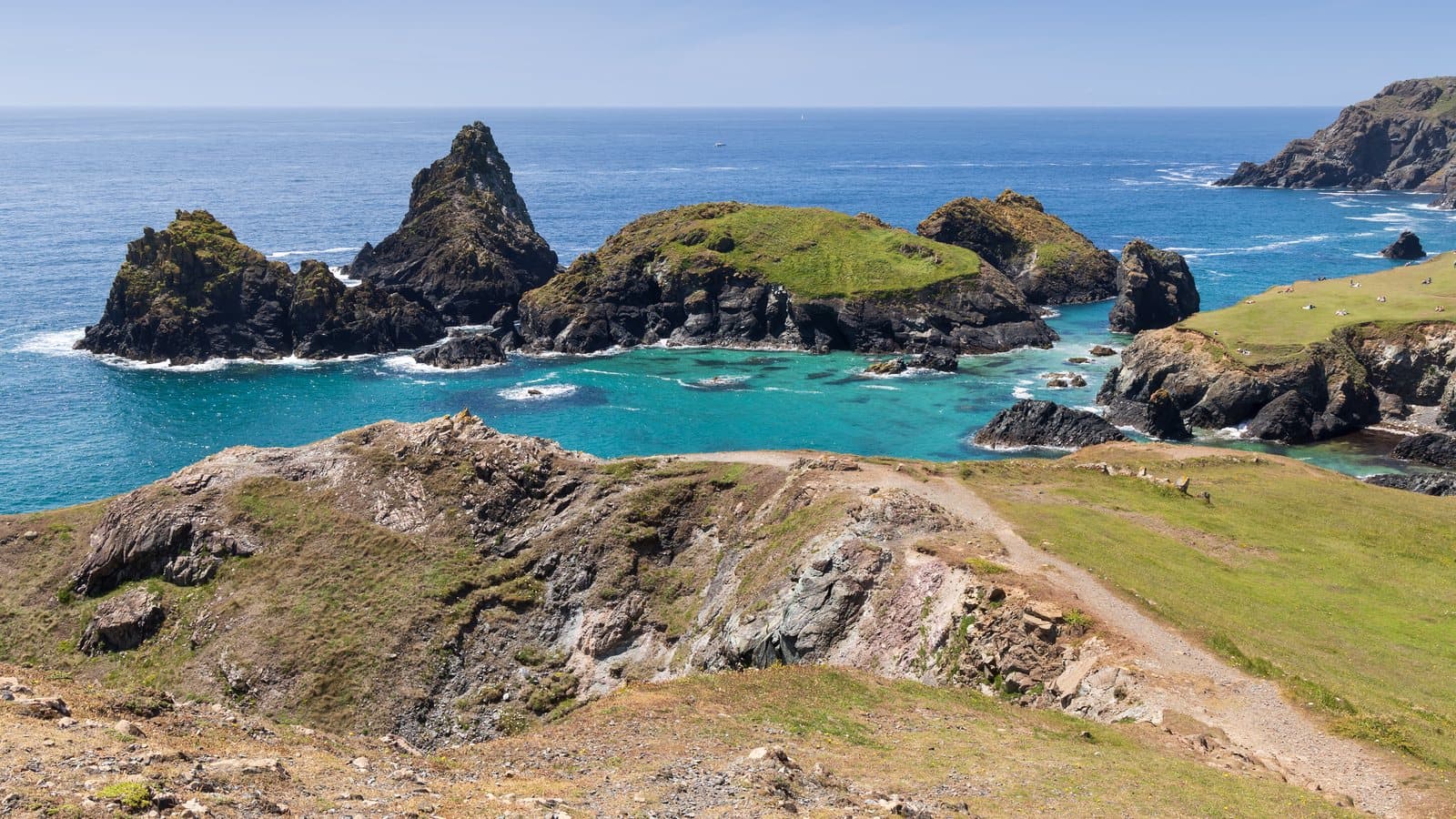
Seaham in County Durham is our first choice for a UK trip built around sea glass. Waste from its former bottleworks still brings collectors to the shore. Whitby offers a longer beach walk towards Sandsend, while St Ives Harbour and Marazion are good places to fit a search into a Cornish holiday.
Our ten picks combine local collecting accounts with places worth spending time by the sea. Choose Seaham for a dedicated collecting trip, Whitby or the Cornish beaches for a beachcombing day out, and the smaller stops in Kent, Fife and North Wales when you are exploring nearby. The table below helps you match a beach to your plans.
Choose a Beach
| Beach | Area | What to plan around |
|---|---|---|
| Seaham Hall Beach | County Durham, England | A trip focused on sea glass and the town's glassmaking history |
| Whitby | North Yorkshire, England | Beachcombing on the shore towards Sandsend, with a tide check before setting off |
| Crosby | Merseyside, England | Local safety advice: soft mud and changing tides limit where to explore |
| Minster Leas | Isle of Sheppey, Kent, England | A seafront walk with a pebble beach to search |
| Marazion | Cornwall, England | Sea glass searching on a visit to Mount's Bay |
| St Ives Harbour | Cornwall, England | A beachcombing stop in town, with glass and pottery reported |
| Lyme Regis | Dorset, England | Glass and pottery east of town; check access and keep clear of cliffs |
| Castle Sands | St Andrews, Scotland | A small beach below the castle, reached by steep steps |
| St Monans | Fife, Scotland | A stop while exploring the East Neuk villages |
| Conwy Morfa | North Wales | Shingle towards the back of the beach; some glass remains quite sharp |
1. Seaham, County Durham
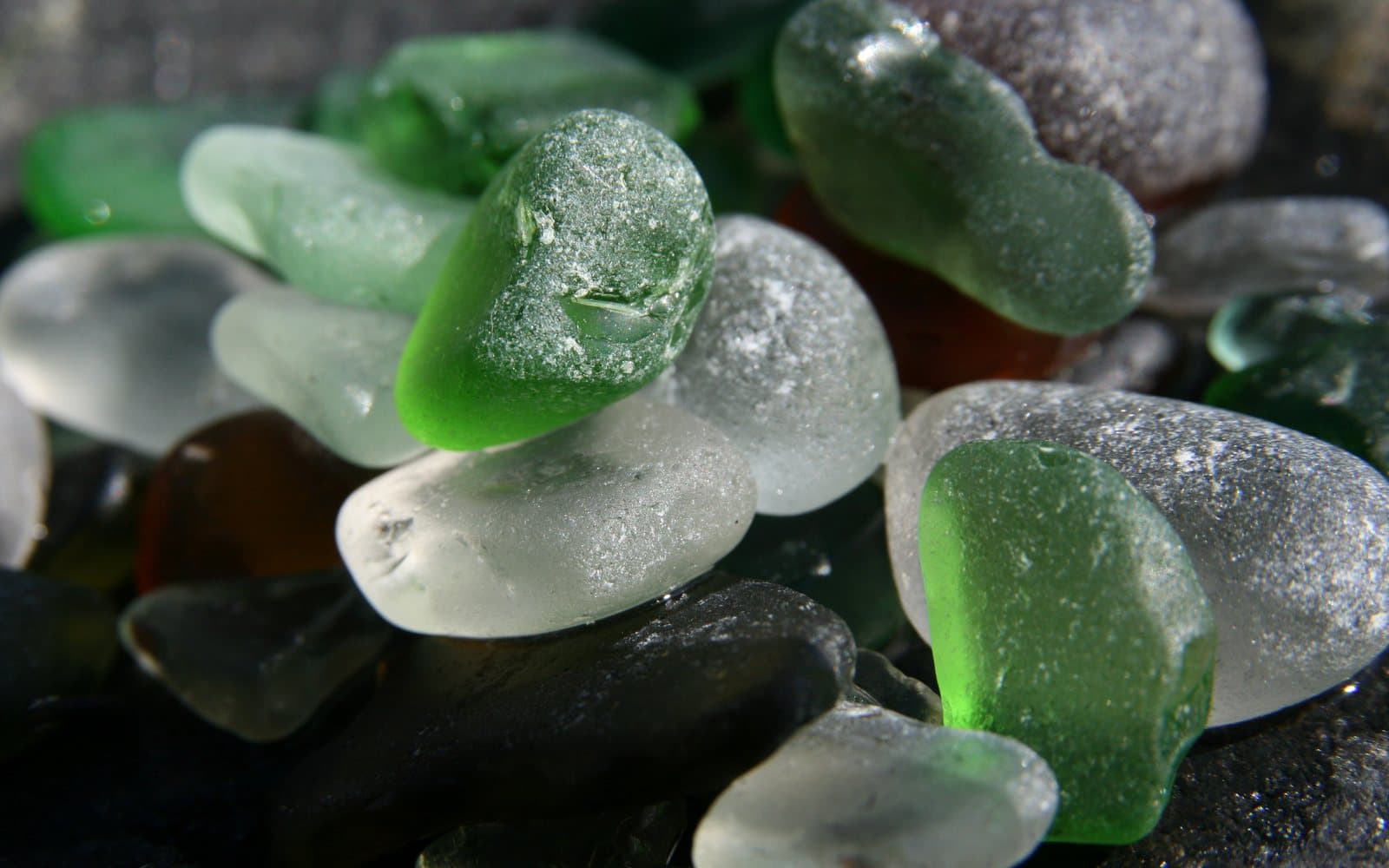
Seaham's glass has a history you can trace. The Londonderry Bottleworks operated from the early 1850s until 1921, and waste from glassmaking entered the sea. The sea glass guide published by This is Durham explains the connection and recommends searching around low tide.
The scale of the industry helps explain the beach's reputation: Seaham Town Council records production of 20 million bottles a year at the works' peak.
Start at Seaham Hall Beach and give yourself time to look closely among the sand and shingle. Stop over a small patch and scan between the stones; a slower search can reveal pieces you walked straight past.
For a longer stay, Blast Beach and Chemical Beach are other nearby shores to explore. Check their access separately before setting out; Seaham Hall remains our starting recommendation.
2. Whitby, North Yorkshire
For a beach walk with time to search along the way, head towards Sandsend from Whitby. Jewellery maker Amy Kelly describes this stretch as her regular collecting ground in an interview with The Whitby Guide. Pale green features heavily in her finds, alongside whites and other colours gathered over the years.
Check the tide and your route back before setting off from Whitby Beach. You can make this a short search close to town or spend longer along the bay.
3. Crosby, Merseyside
Crosby has an active collecting following. The writer of OceanFinds' UK guide describes it as their local beach and reports worn clear, green and brown glass. Visitors also share finds from the rubble shore often called Blitz Beach.
Plan your visit around Sefton Council's safety advice: stay out of the sea and within 50 metres of the promenade at all tides. Soft sand, mud and changing tides make this a beach where the route needs particular care.
Locate Crosby Beach before travelling, and ask the lifeguards about the area you intend to explore when you arrive.
4. Minster Leas, Isle of Sheppey
Minster Leas is the stop on this list for a beachcombing walk beside the Thames Estuary. UK Beach Days identifies sea glass and pottery among the things to look for on its pebble beach, with parking along The Leas and Marine Parade.
The promenade makes Minster Leas Beach a convenient stop while visiting Sheppey, especially if you want a short outing rather than a long coastal walk.
5. Marazion, Cornwall
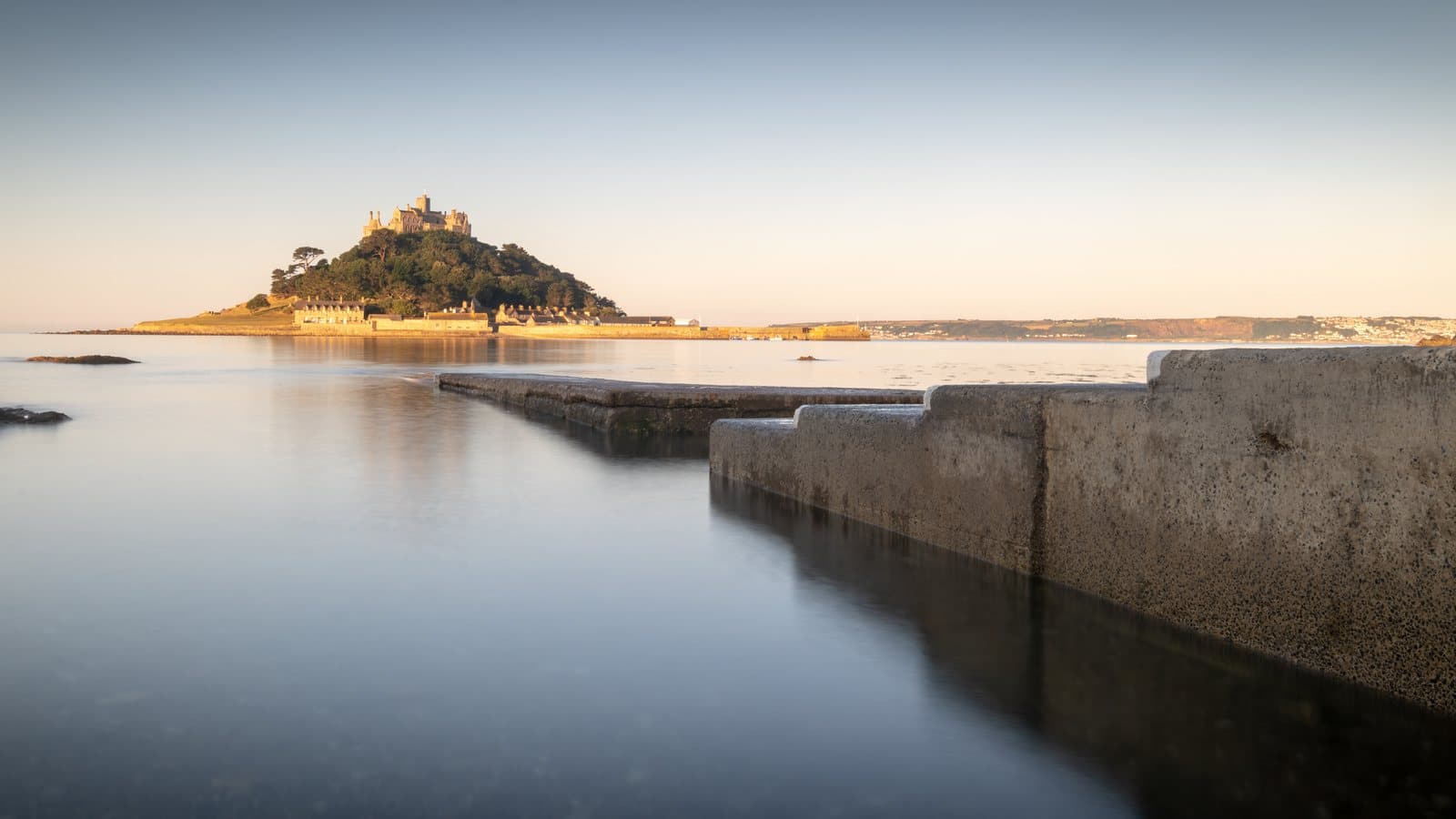
Marazion combines a sea glass search with views across Mount's Bay to St Michael's Mount. Visit St Ives' beachcombing guide recommends Marazion Town Beach and mentions green and white glass, with occasional bottle stoppers and marbles.
Marazion Beach is a good choice when you want the search to be part of a longer day by the sea. Our Cornwall guide gives more places to explore in the county.
6. St Ives Harbour, Cornwall
Harbour Beach puts a search for glass right in the middle of St Ives. Visit St Ives recommends it for beachcombing, including fragments of patterned crockery. Local business St Ives By The Sea also describes collecting white, green and brown glass around town and recommends the harbour tideline.
Their account mentions sharp broken glass too, so check the edges before picking a piece up. A harbour beach can hold both rounded finds and recent litter. St Ives Harbour Beach is a useful option if you want to fit a little beachcombing into a day in town.
7. Lyme Regis, Dorset
Lyme Regis sits on the Jurassic Coast, part of the Dorset and East Devon Coast World Heritage Site. Alongside its geological interest, the shore east of town holds traces of more recent life: glass and pottery from a former rubbish tip. Lyme Regis Museum shows bottles and household objects exposed after the 2008 landslip, and reports continuing finds of coloured glass and pottery.
For a visit to Lyme Regis Beach, check current access before setting out. Keep well away from the unstable cliffs, leave buried objects in place and watch for sharp fragments among the worn pieces.
8. Castle Sands, St Andrews
For a beachcombing break in St Andrews, head to Castle Sands below the castle. A St Andrews graduate recalls regularly collecting sea glass here in a piece published by the university. It is a small beach where you can spend time looking among the sand and pebbles without planning a long coastal walk.
Steep steps lead down from East Scores, so bear that in mind if steps are difficult for anyone in your group. Aim for a lower tide to have more room to explore Castle Sands, then return to town when you have finished your search.
9. St Monans, Fife
Choose St Monans for a stop while exploring the East Neuk fishing villages. Local maker East Neuk Beach Crafts includes it among their collecting places, alongside Anstruther, Pittenweem, Crail and St Andrews.
You can combine a look along St Monans Beach with a coastal walk. A walking blog covering the route from Elie towards St Monans describes collecting sea glass along the way. Wear comfortable shoes for uneven ground and allow time for stops, especially if you plan to walk back as well.
10. Conwy Morfa, North Wales
At Conwy Morfa, start by looking over the shingle towards the back of the beach. The collector behind Craft Happy found glass and pottery there on two visits, including aqua pieces. Their finds were often larger and less worn than those from other beaches they had visited.
This makes Conwy Morfa an interesting stop if you enjoy looking at bottle fragments and pottery as well as smooth glass. Check the edges before picking pieces up, and search the beach surface without digging into the banks.
How to Search for Sea Glass
Look at the surface of the shingle and the lines of material left by the tide. Scan slowly for rounded edges and frosted surfaces, checking a piece for sharp edges before handling it. Search without digging into banks or disturbing the beach. Once you find a piece, pause to look around it before moving on.
When Should You Go?
Start with the local tide table and plan a daytime visit around low tide, when there is usually more shore to explore. At Seaham, the tourism board recommends low-tide searching. The St Ives collectors also favour visits after storms or high tides have moved material around.
Leave enough time to search slowly and return before the tide closes your route. Choose a stretch you can reach comfortably, with a clear way back to the access point.
Before you leave, check the forecast and any access notices. The RNLI recommends checking weather and tides, carrying a means of calling for help and taking care on slippery ground. After a storm, wait for safe conditions before returning to the beach. At Crosby, follow the council's promenade-distance advice at every state of the tide.
Can You Take Sea Glass Home?
At Seaham, the local tourism guidance describes visitors taking their finds home. For each beach you visit, check the council or land manager's guidance and the signs at the access point, particularly at protected sites. If the rules are unclear, ask before collecting.
Local restrictions can cover the removal of beach material. The British Geological Survey explains how section 18 of the Coast Protection Act allows these restrictions to be introduced for particular stretches of coast.
Where collecting is allowed, take only a few pieces you want to keep. Leave sand and pebbles in place and avoid disturbing the banks or cliffs.
Share What You Find
A photograph and a note about where you searched can help the next collector plan a visit. Add your experience to the relevant beach on Sea Glass Map, including a quiet day when you found very little. Both kinds of report are useful.
Frequently asked questions
Which UK beach should I visit first for sea glass?
Seaham is our first suggestion for a trip focused on sea glass, thanks to its documented bottleworks history and established collecting appeal. If you are already on holiday elsewhere, choose a nearby beach from the list and check its access and tide conditions first.
Can I find sea glass in Cornwall?
Yes. Visit St Ives recommends Harbour Beach and Marazion Town Beach for sea glass. Local accounts also describe pottery finds at St Ives. What is visible will vary between visits.
Where can I look in Scotland or North Wales?
Try Castle Sands for a short search while visiting St Andrews, or St Monans as part of a day exploring the East Neuk. In North Wales, look over the shingle towards the back of Conwy Morfa.
What colours can I find?
Local accounts from St Ives and Crosby describe white or clear, green and brown glass; Amy Kelly's Whitby finds include plenty of pale green. Aqua pieces have been reported at Conwy Morfa, while Marazion's beachcombing guide mentions green and white glass alongside occasional marbles and bottle stoppers.
Is low tide always the best time?
It often gives you more beach to explore, but the safe search area depends on the location. At Crosby, Sefton Council asks visitors to remain within 50 metres of the promenade at all tides. Always plan your return route as well as your arrival.
How do I check whether collecting is allowed?
Read the council or land manager's current guidance and the signs at the beach entrance. Ask the land manager if the rules are unclear. Seaham's tourism guide describes taking glass home, but permission needs checking locally at each beach.

 United Kingdom