Is Collecting Sea Glass Illegal? Rules by Country and Beach
Victor
Founder of Sea Glass Map
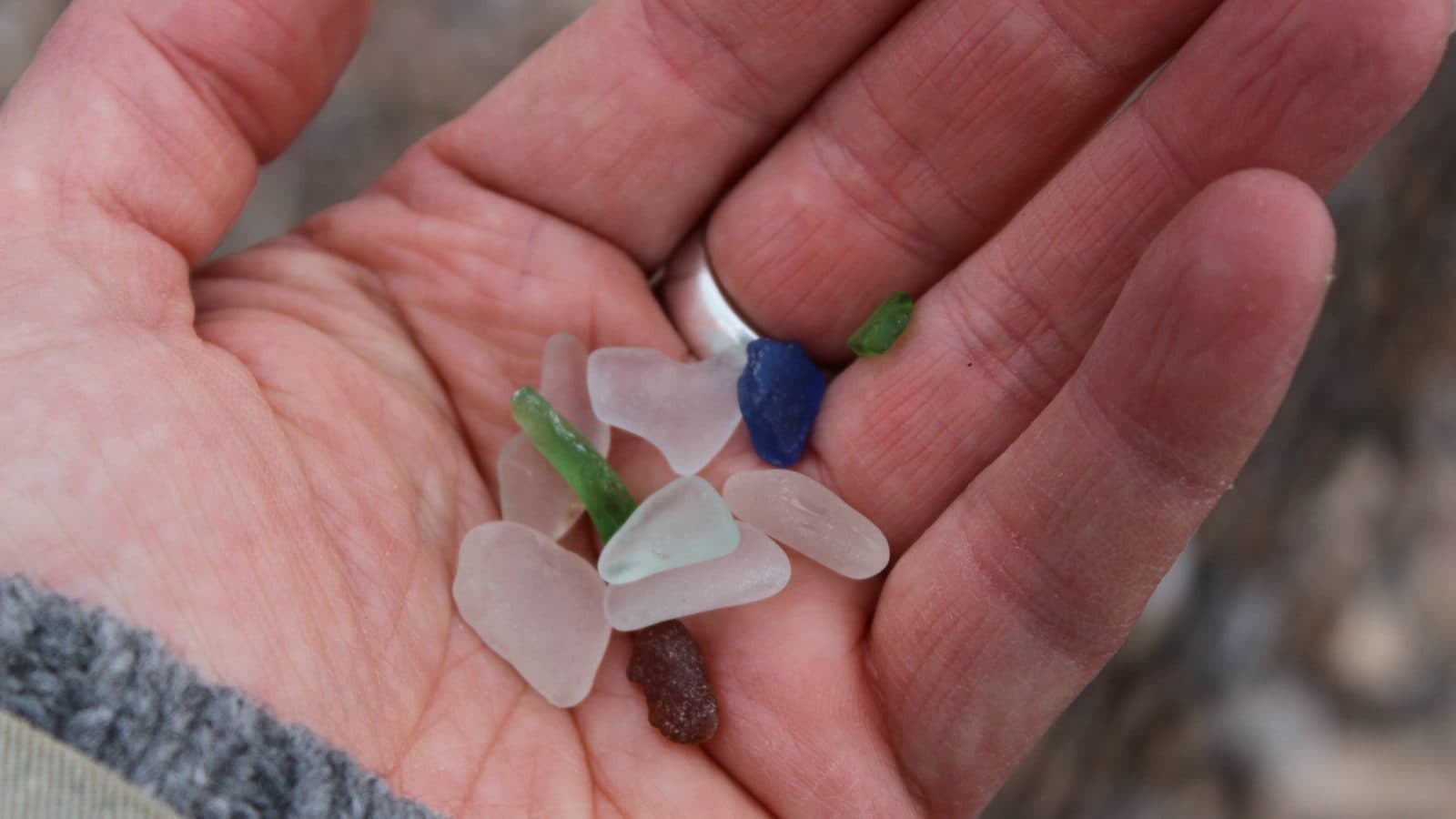
On most ordinary public beaches, yes, you can take sea glass home. Nearly everywhere, the laws that protect a beach cover its natural material: sand, pebbles, shells and coral. Sea glass is man-made litter, so a pocketful for personal use is legal or tolerated on most coasts. But there is a shortlist of famous exceptions where collecting is explicitly prohibited (Glass Beach at Fort Bragg, the Boston Harbor Islands and Bermuda's Sea Glass Beach all name sea glass in their rules), and a few places, like Sardinia, protect *everything* on the sand. Here are the rules, destination by destination, as the land managers actually write them.
Why is this so confusing? Because 'can I take it?' has three different answers hiding inside it: what the law protects (usually natural material), what a park protects (often everything within its boundary), and what a beach can afford to lose (sometimes nothing; some glass beaches are literally being loved away). On the map, spots where a land manager prohibits or asks against collecting carry a 'Protected beach' badge, so you know before you go.
| Destination | Take sea glass? | The rule |
|---|---|---|
| Most public beaches (US, UK, Europe) | Yes, personal amounts | Glass is litter, not protected natural material |
| Glass Beach, Fort Bragg (CA) | No | MacKerricher State Park, no collecting |
| Boston Harbor Islands (MA) | No | National park rule names sea glass |
| Bermuda (Sea Glass Beach & all parks) | No | Parks law + posted prohibition |
| Hawaii | Grey zone | Sand/coral protected; glass unaddressed |
| Vieques, Puerto Rico | No on refuge beaches | National Wildlife Refuge rules |
| Sardinia, Italy | No | 'Any material' protected, fines €500–3,000 |
| Greece | Yes, personal amounts | Pebbles policed at signposted beaches; anything ancient stays |
| Nova Scotia, Canada | Grey zone | Beaches Act protects beach material |
| UK | Yes, personal amounts | Leave the pebbles; protected sites excepted |
| On a plane | Yes | TSA allows glass in carry-on and checked bags |
The One Rule That Explains Everything
Almost every beach law on earth draws the same line: it protects what the coast is made of. England's Coast Protection Act covers sand and shingle; Hawaii's statute lists sand, coral and rocks; Greece fines you for taking Lalaria's white pebbles. Sea glass sits on the other side of that line: it arrived as rubbish, and removing rubbish is usually fine or even welcome. The exceptions catch glass by three different routes: park rules that say 'remove nothing' inside their boundary (US national parks, Bermuda's parks, wildlife refuges); 'any material' laws written broadly enough to include glass (Sardinia, Nova Scotia); and heritage rules that treat old man-made objects as historical artifacts (California's state park regulations, and Greece's antiquities law, which is why sea *pottery* is riskier than sea glass there). If you remember the natural-versus-man-made line and check for the three exceptions, you can work out almost any beach in the world.
United States: the Famous No's and Everywhere Else
Glass Beach, Fort Bragg, California
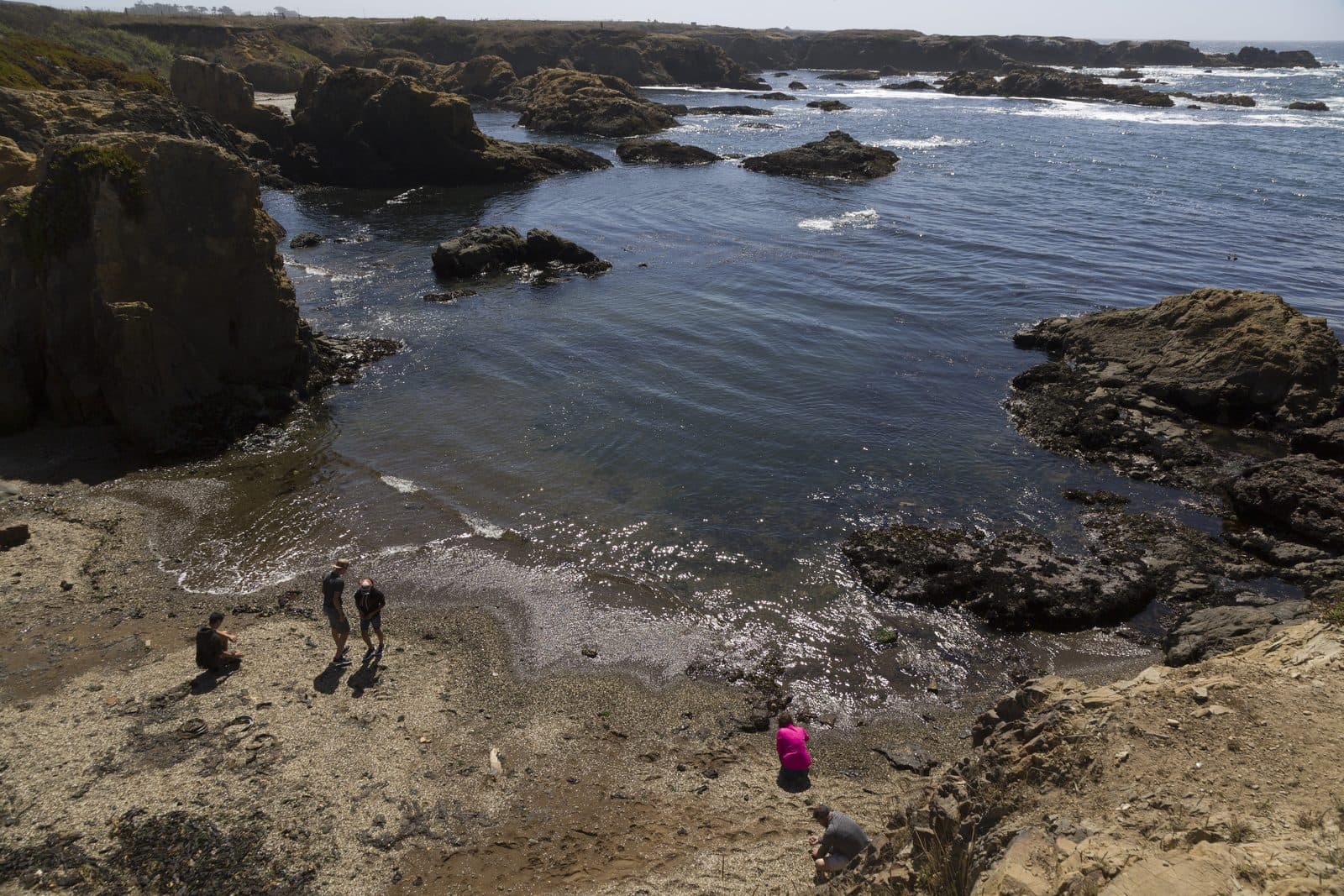
The most famous sea glass site in America is a place you cannot collect. The celebrated 'Site 3' has been part of MacKerricher State Park since 2002, and California state park regulations prohibit removing beach material and objects of historical interest, which is exactly what a 1906–1967 town dump's glass is. California State Parks has said publicly that it doesn't want visitors collecting sea glass or agates on *any* of its 340 miles of coast. The two glass coves on the city side of Fort Bragg are technically outside the park, but signs there ask visitors not to take glass, and after decades of a thousand summer visitors a day each pocketing 'just a few', the glass is visibly thinning. Fort Bragg is the world's clearest lesson that a beach can be loved to death. Go and marvel, and leave it as you found it.
National parks and seashores
Inside US National Park Service units, assume nothing leaves the beach. Federal rules prohibit removing cultural and archaeological resources, and glass more than 50 years old is routinely treated as exactly that. The Boston Harbor Islands, one of the best sea glass day trips on the East Coast, spell it out by name: visitors are asked to leave behind 'any natural and cultural resources found on the islands, including sea glass, seashells, and ceramics.' You can hunt, sort, photograph and marvel on Spectacle Island; everything goes back on the sand before the ferry. Even Padre Island, the most beachcomber-friendly national seashore (a gallon of seashells is fine!), draws the line at cultural material and sand.
Hawaii
Hawaii's law protects the beach itself (sand, dead coral, rocks and 'other marine deposits') and famously pursues tourists who mail stolen sand back with apology letters. Sea glass is not named, which leaves it in a grey zone: no rule found is not the same as permission, and the state's own guidance is to leave everything as you found it. Kauai's Glass Beach at ʻEleʻele sits on industrial land near Port Allen with no official collecting rule either way; recent visitor reports suggest treating it gently, because it too is far thinner than the postcards.
Puerto Rico and Vieques
Vieques, Puerto Rico's sea glass jewel, is mostly a National Wildlife Refuge, and refuge rules prohibit removing any objects, natural or otherwise, from refuge land. On ordinary Puerto Rican public beaches outside reserves, no rule specifically addresses a visitor pocketing sea glass.
The UK: Yes, Just Leave the Pebbles
Britain is one of the friendliest places on earth to collect sea glass: personal collecting is legal on ordinary public beaches, and Durham's tourism board actively welcomes it at Seaham. The rules people half-remember are about natural material (removing sand, shingle or pebbles can be an offence under the Coast Protection Act 1949) and about protected sites (SSSIs, nature reserves, some National Trust coast), where taking anything can be barred. Scotland is more generous still. The full breakdown, beach by beach, is in our UK sea glass guide.
Europe: Two Very Different Answers
Sardinia is the strictest beach jurisdiction in Europe: since 2017, regional law bans taking sand, pebbles, shells and 'generally any organic or inorganic material' from its beaches, with fines from €500 to €3,000, and police really do seize confiscated beach material by the tonne at the island's ports and airports every year. That wording is broad enough to cover glass: in Sardinia, assume everything on the beach stays. Greece has no rule against sea glass as such; the famous bans are beach-specific pebble rules, like Lalaria on Skiathos (fines €400–€1,000, with bag checks at the harbour). The genuine Greek trap is different: under the antiquities law, old pottery belongs to the State, so frosted *ceramic* shards near archaeological coastal zones are the thing to leave. A 20th-century bottle shard is not an antiquity, but that lovely painted rim might be.
Bermuda: Beautiful, and Off Limits
Bermuda's Sea Glass Beach (Black Bay, near the Royal Naval Dockyard) is one of the densest glass beaches in the world, and collecting there is explicitly prohibited. The Dockyard's own visitor information says so in as many words, and all of Bermuda's public beaches sit within parkland where removing material is barred. Enforcement is real and happens at the airport: customs has confiscated hundreds of pounds of sand and beach material from departing visitors. Bermuda is a look-don't-take destination, full stop.
Canada and Japan
In Canada, the sea glass heartland is Nova Scotia, where the Beaches Act protects 'sand, gravel, stone or other material' on designated beaches, wording broad enough to include glass, though no one has ever reported a collector being charged for a pocketful. Treat it as a courtesy rule: modest personal collecting is the accepted norm; stripping a beach is not. National park shorelines are stricter: Parks Canada expects everything to stay. In Japan, Nagasaki's famous Ōmura 'glass sand' beach looks like a sea glass paradise but is actually an artificial bed of machine-crushed recycled glass, laid down by the prefecture in 2016 to improve the bay's water quality. The posted request is: please don't take it home, because the beach *is* the environmental project.
Can You Take Sea Glass on a Plane?
Yes. TSA allows glass in both carry-on and checked bags, and has confirmed sea glass specifically. The airport risk sits at the two ends of the flight instead: export rules at your departure point (Bermuda and Sardinia check outbound bags for beach material) and biosecurity when you land home (Australia and New Zealand ask you to declare beach finds). The packing, the declarations and the countries that check are covered in our guide to taking sea glass on a plane.
The Collector's Code
The law is the floor, not the ethic. Sea glass is a finite, slowly vanishing material, and the hobby's own code has hardened around that fact:
- A pocketful, not a bucket. Take a few pieces you'll treasure and leave the rest working in the surf for the next person.
- Leave the 'unripe' glass. Shiny, sharp-edged pieces aren't done; the sea will finish them in another decade or two.
- Respect every posted rule and badge. If a beach says look-don't-take, on a sign or on our map, that's the whole answer.
- Leave the natural beach alone. The pebbles, shells and sand are protected almost everywhere, and they are the beach.
- Trade glass for litter. Many collectors carry a bag and take out plastic as they hunt; the tide brings both, and only one of them belongs in your pocket.
Know a beach where the rules aren't obvious? When you add a spot, mention what's posted. It's some of the most useful information a spot can carry.
Frequently asked questions
Is it illegal to take sea glass from the beach?
On most ordinary public beaches, no. Sea glass is man-made litter rather than protected natural material, so personal collecting is legal or tolerated. The exceptions are parks and reserves that prohibit removing anything (US national parks, Bermuda, wildlife refuges), places with 'any material' laws like Sardinia, and specific beaches like Glass Beach in Fort Bragg where collecting is banned outright.
Can you take sea glass from Glass Beach in Fort Bragg?
No. The famous glass cove has been part of MacKerricher State Park since 2002, and California state park rules prohibit collecting there. The adjacent coves outside the park have posted signs asking visitors not to take glass, and California State Parks discourages collecting sea glass anywhere on its coastline.
Can you take sea glass home from Bermuda?
No. Removing sea glass from Bermuda's Sea Glass Beach is explicitly prohibited, all public beaches sit within protected parkland, and customs at the airport does confiscate beach material from departing visitors. Bermuda is a look-don't-take destination.
Is it legal to collect sea glass in the UK?
Yes, for personal amounts on ordinary public beaches: sea glass counts as litter rather than protected natural material. Don't remove sand, shingle or pebbles (that can be an offence under the Coast Protection Act 1949), and note that protected sites like SSSIs and nature reserves can forbid taking anything at all.
 United Kingdom
  United States
  France
  Canada
  Japan
Japan