Can You Take Sea Glass on a Plane? TSA and Customs Rules
Victor
Founder of Sea Glass Map
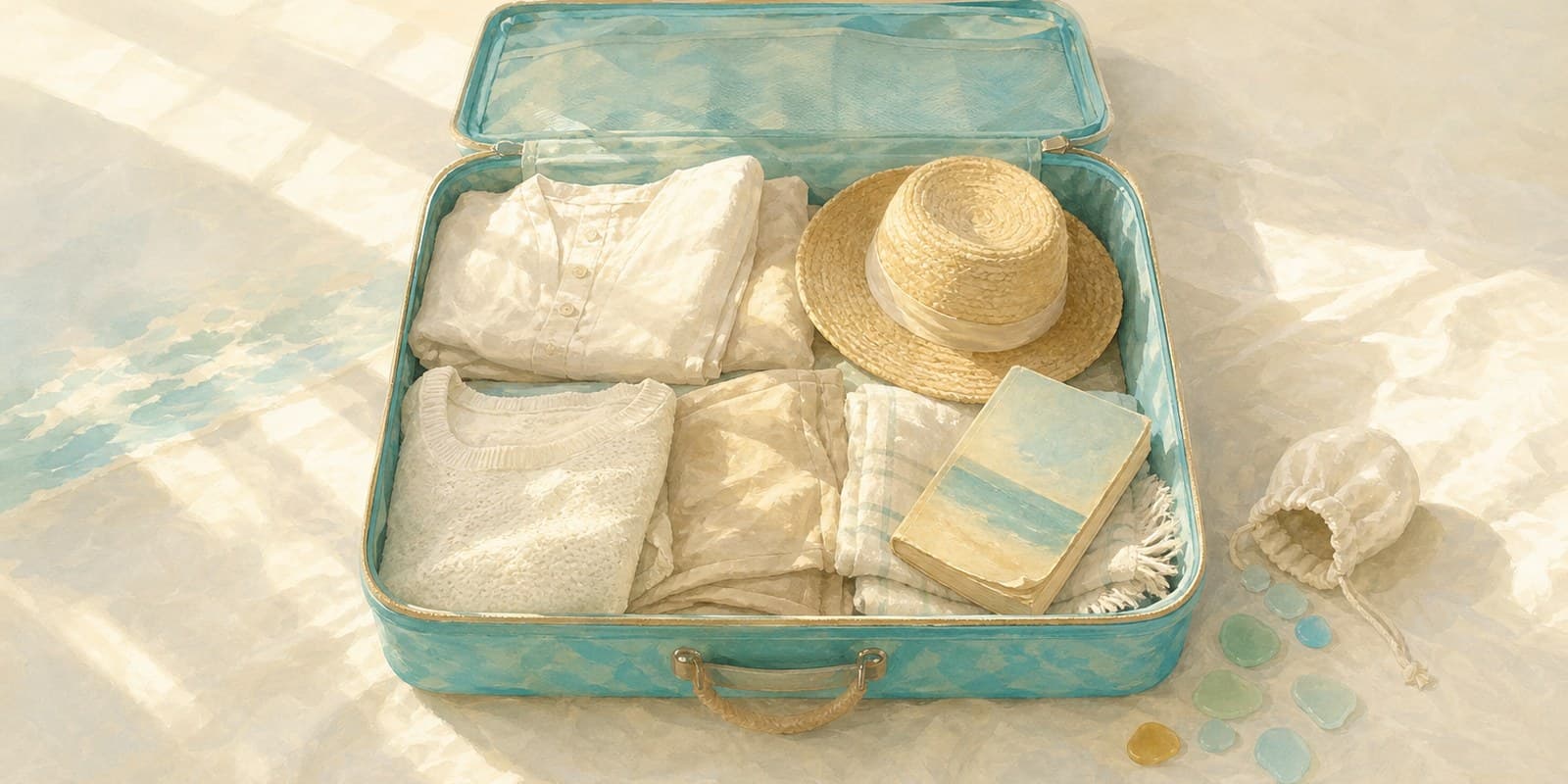
Yes. The TSA allows glass in both carry-on and checked bags, and has confirmed sea glass specifically. No airline treats a pocketful of frosted glass as unusual, and the security checkpoint is almost never where a trip home goes wrong.
The two places it can go wrong sit at either end of the flight. A few destinations inspect outbound luggage for beach material before you board, and a few countries want beach finds declared when you land. Neither is a reason to leave your finds behind, and both take about five minutes to get right before you pack.
| Question | Short answer | What to know |
|---|---|---|
| Carry-on? | Yes | Simplest for small, smooth pieces |
| Checked bag? | Yes | Better for large or sharp pieces, and for weight |
| Can it be refused? | Rarely | The officer at the checkpoint always has the final say |
| Checked on the way out? | In some places | Bermuda and Sardinia inspect outbound bags for beach material |
| Declared on arrival? | In some countries | Australia and New Zealand ask you to declare beach finds |
Carry-On or Checked Bag?
Either is allowed. Small, smooth pieces are simplest in a carry-on, where you can see them and a baggage handler cannot crush them. Large or sharp-edged pieces are better in checked luggage: a thick shard with a broken edge is the one shape that invites a second look, and glass is dense enough that a good haul makes a real dent in a weight allowance. Weigh a full bag at home rather than at the check-in desk.
One thing no guide can promise: the officer at the checkpoint has the final say on any item, always. Packing sensibly is what keeps that conversation short.
The Bigger Risk Is Leaving, Not Boarding
A short list of destinations protect everything on the beach, and they enforce it on the way out rather than on the sand. Bermuda is the clearest case: all of its public beaches sit within parkland where removing material is barred, collecting at Sea Glass Beach is explicitly prohibited, and customs has confiscated hundreds of pounds of sand and beach material from departing visitors. Sardinia bans taking sand, pebbles, shells and generally any organic or inorganic material from its beaches, with fines from €500 to €3,000, and police seize confiscated beach material by the tonne at the island's ports and airports every year.
Greece has no rule against sea glass itself, but signposted beaches police their pebbles, with bag checks at the harbour at Lalaria on Skiathos. The Greek trap is a different one anyway: under the antiquities law, old pottery belongs to the State, so a frosted ceramic shard picked up near an archaeological coastal zone is the piece to leave behind. A 20th-century bottle shard is not an antiquity. That painted rim might be.
If you are not sure a beach allows collecting at all, that question comes before the packing one. We cover it destination by destination in Can You Take Sea Glass Home?, and spots where a land manager prohibits or asks against collecting carry a Protected beach badge on the map.
Declaring Sea Glass When You Land
Australia and New Zealand run two of the strictest biosecurity regimes in the world, and both ask arriving travellers to declare beach finds. Glass itself is inert and is not what they are worried about. What they are worried about is everything that travels with it: sand, dried seaweed, shell fragments, and whatever is living in them.
That makes the fix simple. Rinse your finds in fresh water and let them dry completely before you pack, so what arrives is glass and nothing else. Then tick the box on the arrival card where it asks. A declared bag of clean glass is a thirty-second conversation; an undeclared bag with sand in the seams is the one that costs you time, and in Australia and New Zealand it can cost you a fine.
What Actually Gets Confiscated
Almost never the glass. The items that get taken at borders are the natural ones:
- Sand. Protected almost everywhere, and the most confiscated beach souvenir there is. Hawaii is famous for the tourists who mail it back with apology letters.
- Shells and coral. Flagged by biosecurity on arrival, and protected species on the way out of some countries.
- Pebbles and shingle. Removing them is an offence in plenty of places, Greece and Sardinia included, because they are what the beach is made of.
- Old pottery. Treated as a cultural artifact wherever antiquities laws apply, which is why sea pottery is riskier to carry than sea glass in Greece and Italy.
The pattern is the same one that governs collecting in the first place: the law protects what the coast is made of, and sea glass arrived as litter.
Before You Fly
- Check the beach's own rule before you collect, not at the airport.
- Rinse and dry your finds so no sand, weed or shell travels with them.
- Put large or sharp pieces in checked luggage; small smooth ones go anywhere.
- Weigh the bag at home. Glass is heavier than it looks.
- Declare beach finds wherever the arrival card asks, Australia and New Zealand especially.
- Leave sand, shells, pebbles and old pottery on the beach.
Flying home with a few frosted pieces is one of the easy parts of this hobby. The harder question is whether the beach wanted you to take them at all, and it is worth answering first: see Can You Take Sea Glass Home? for the rules beach by beach.
Frequently asked questions
Can you take sea glass on a plane?
Yes. The TSA allows glass in both carry-on and checked luggage, and has confirmed sea glass specifically. Pack large or sharp pieces in checked bags. The two things worth checking instead are export rules where you are departing (Bermuda and Sardinia inspect outbound luggage for beach material) and biosecurity where you land (Australia and New Zealand ask you to declare beach finds).
Should sea glass go in carry-on or checked luggage?
Either is allowed. Small, smooth pieces are easiest in a carry-on. Large or sharp-edged pieces are better in checked luggage, both because they are the shapes most likely to draw a second look and because glass is dense enough that a good haul makes a real dent in a weight allowance.
Do you have to declare sea glass at customs?
In Australia and New Zealand, yes: both ask arriving travellers to declare beach finds. Clean, dry glass is the easy case. What biosecurity is actually looking for is the sand, seaweed and shell fragments that travel with it, so rinse your finds before you pack and tick the box on the arrival card.
Can you take sand and shells on a plane too?
Usually not, and that is the harder question. Sand, shells, coral and pebbles are protected natural beach material in most jurisdictions, and they are what borders actually confiscate. Sea glass is treated differently because it arrived as man-made litter rather than as part of the beach.
 United States
  Australia
  Italy
Italy  New Zealand
  Bermuda