How to Find Sea Glass: Tides, Storms & the Best Time to Hunt
Victor
Founder of Sea Glass Map
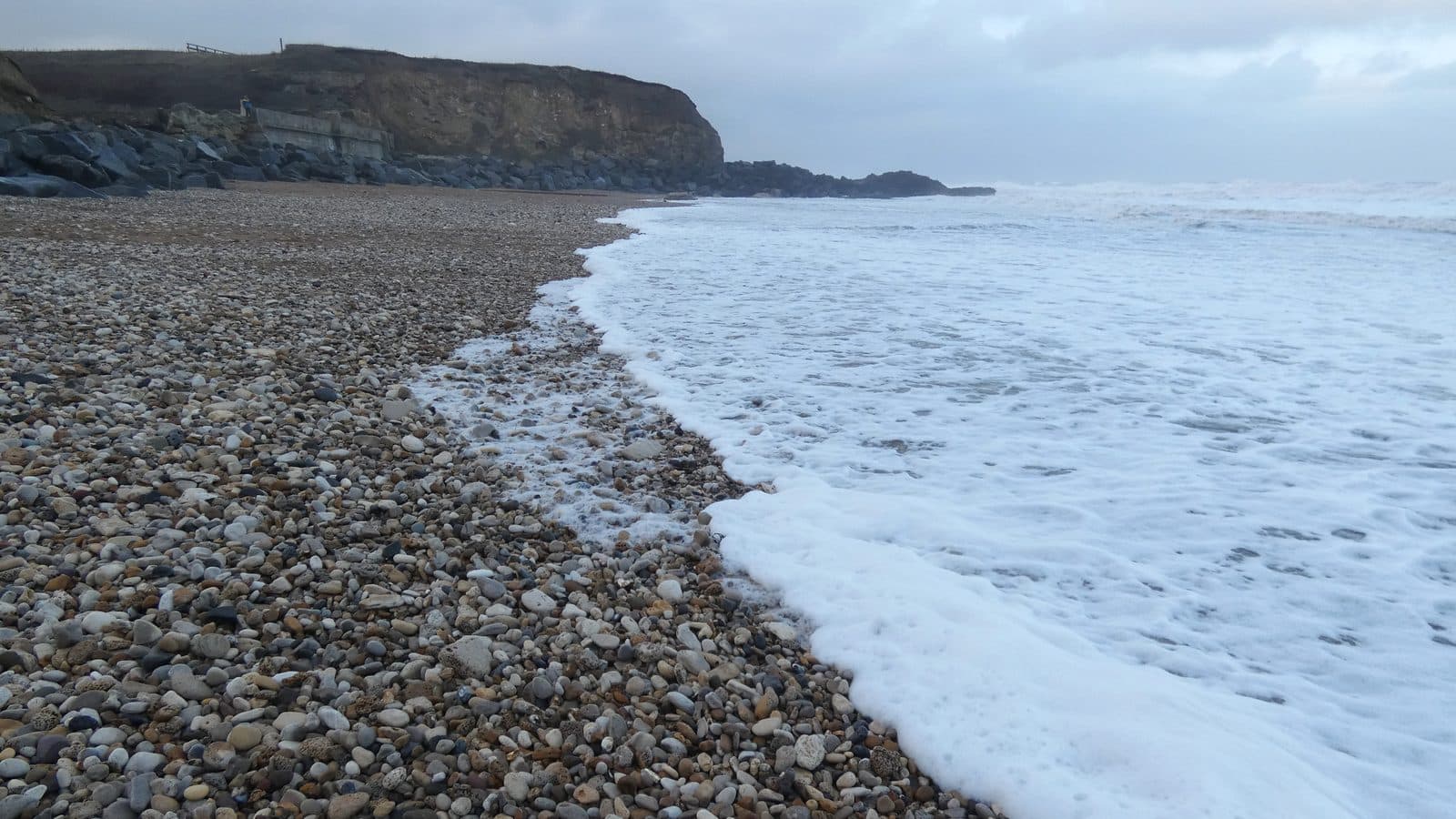
The reliable way to find sea glass is to stack the odds: go at low tide on a falling tide (start an hour or so after high water and follow the sea out), go in autumn and winter rather than summer, go the day or two after a storm with onshore winds, and search the pebble patches and tide lines instead of open sand. Any one of those helps; the magic happens when they line up. As Richard LaMotte, author of *Pure Sea Glass*, the hobby's reference book, puts it: 'nothing beats a nice long day of onshore winds of 20 knots or more to rearrange beach strata and expose new shards.'
None of this is luck, and all of it is learnable. Sea glass ends up exactly where physics puts it, at times the tide table announces in advance, which is why two people can walk the same beach and one comes home with a pocketful. Here is the whole craft: when to go, where to look, how to see, and the etiquette that keeps the hobby alive. When you're ready to put it into practice, find a beach near you on the map.
| Factor | Aim for | Why |
|---|---|---|
| Tide | Low tide, on the way out | More beach exposed, freshly washed |
| Moon | New or full moon (spring tides) | The lowest lows uncover new ground |
| Season | Autumn & winter | Storm waves strip sand, exposing gravel |
| Weather | A day or two after an onshore blow | Fresh glass moved up the beach |
| Time of day | Early morning | First eyes on the tide line |
| Where | Pebble patches & tide lines | Waves sort glass in with the gravel |
When Is the Best Time to Find Sea Glass?
Work the falling tide. Seasoned collectors start about an hour after high water and follow the sea out. It gives you hours of freshly washed ground, and every retreating wave can leave something new on the line. Low tide also simply exposes more beach, including bars and corners that spend most of the day underwater, and lets you slip past rocks into coves you can't reach at high water.
Chase the spring tides. Around the new and full moon, the pull of sun and moon aligns and tides run their biggest range: higher highs and, more to the point, lower lows. On some coasts the tide table shows 'minus tides', lows that drop below the chart's zero point and uncover ground that almost never sees daylight. Those dates are worth planning around; LaMotte himself hunts by that calendar. (One caveat: the Great Lakes have no meaningful tide, so wind and waves do all the work there.)
Go in the rough months. Winter does more than empty the beaches: the beach itself changes. Storm waves strip sand off the beach and park it in offshore bars, laying bare the gravel and cobble underneath, exactly the layer where glass hides; calm summer waves push the sand back and bury it again. That's why the productive season on most coasts runs from autumn through early spring, and why LaMotte's advice is: 'don't limit your hunting to summer.' The single best window of all is the first day or two after a storm that blew *onshore*, once the sea has calmed enough to be safe.
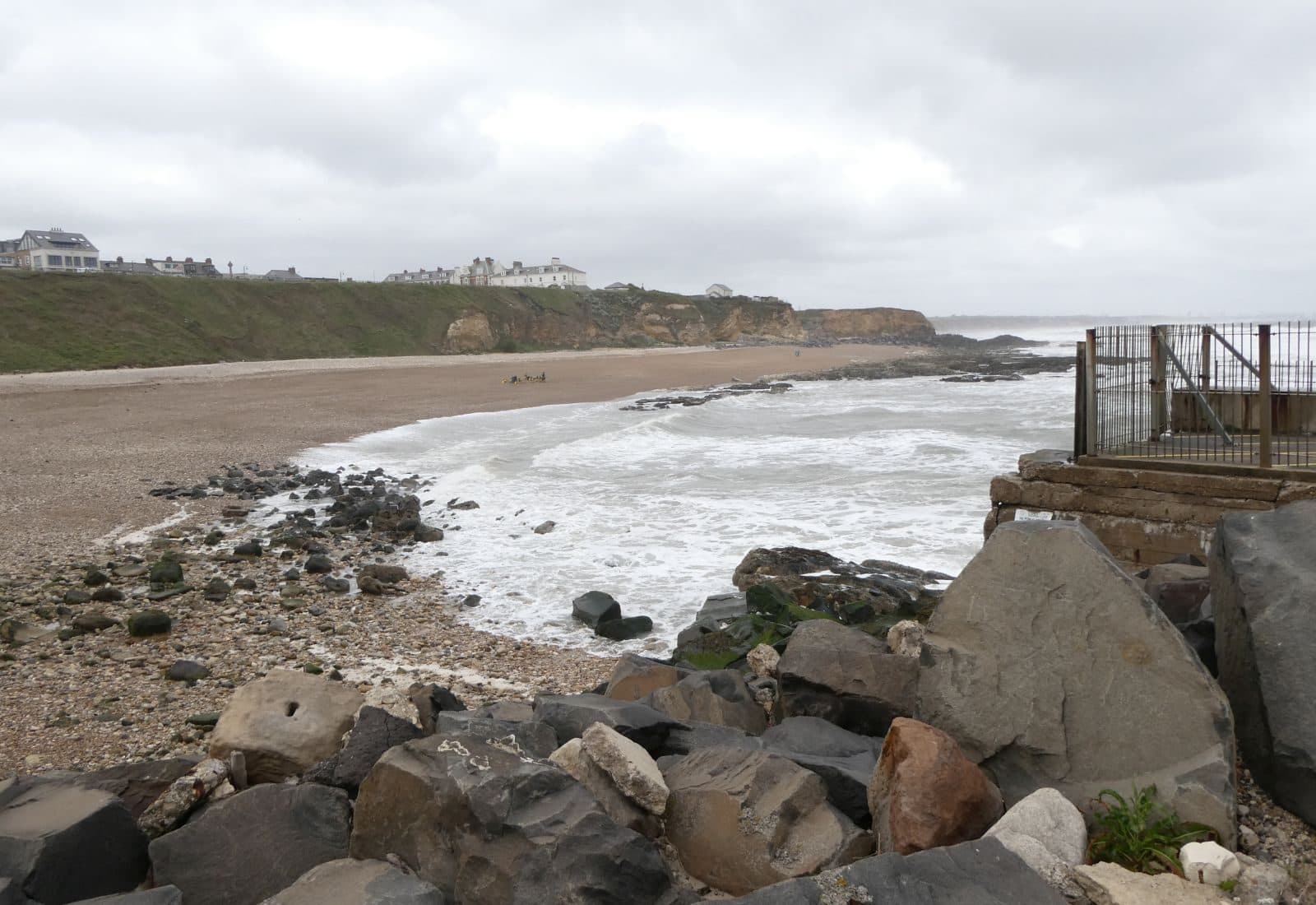
Where to Look on a Beach
Glass is almost never scattered evenly. The sea sorts everything it carries, and glass travels with material of its own size and weight. That gives you three places to concentrate:
- The tide lines. LaMotte's first advice is the wrack lines, the ribbons of debris left at the high-water and low-water marks, 'especially where other stones and shells have gathered.'
- The pebble patches. Search gravel, shingle and pockets between rocks rather than open sand: waves treat a frosted shard like one more pebble and park it with the rest. A lovely collector's rule of thumb: the smaller the pebbles, the smaller the glass.
- The forgotten upper beach. After big winter storms, older glass gets thrown high and stranded above the usual tide line, in tangles of driftwood and gravel pockets, a spot most hunters walk straight past.
Which beach, though, matters even more than where on it. Glass needs a source: a town with an old working harbour, a Victorian-era dump, a former glassworks or seaside amusement ground. LaMotte's tip is to ask where the beach activity was around 1900. The modern version of that is checking the map to see where collectors are actually finding glass right now. Our identification guide tells the other half of that story: what the glass on your beach used to be.
How to Actually Spot It
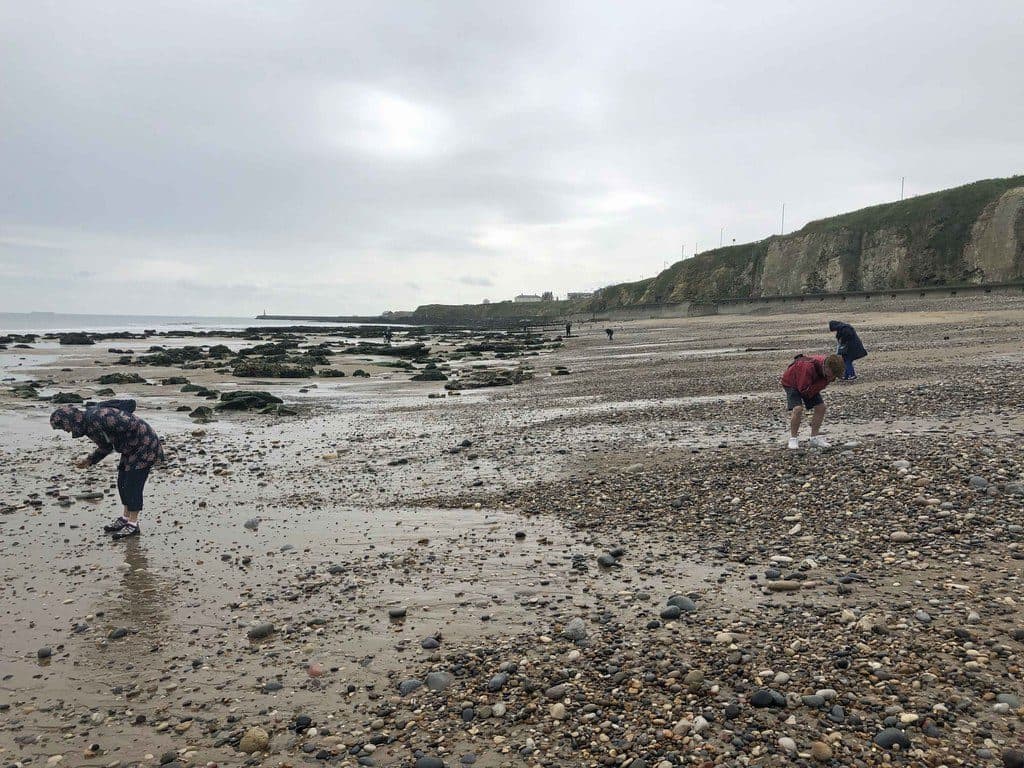
Training your eye is half the hobby, and everyone's first day includes picking up a lot of hopeful quartz. What helps:
- Walk the lines, not the beach. Go parallel to the water along a tide line, then zigzag: high line on the way out, low line on the way back. Retrace your steps: a second pass in different light always finds pieces the first one missed.
- Manage the sun. Collectors argue happily about walking into the sun (wet glass glints) versus sun-at-your-back (no glare). The workable middle: keep the sun out of your eyes and your shadow off the patch you're searching. LaMotte skips sunglasses in favour of a hat; subtle colours read better with a naked eye.
- Wet glints, dry frosts. At the waterline, wet glass sparkles and can vanish among wet pebbles; up the beach, dry glass shows its unmistakable frosted skin. Sunny days favour the swash; flat grey light favours the dry upper beach. When in doubt, dip a piece in water and the colour and clarity snap into focus.
- Sit down. The single most underrated technique: pick a promising gravel patch, sit, and sift. It slows you to the speed the search actually needs, and it teaches your eye what glass looks like in context.
What to Bring, and How to Stay Safe
The kit is minimal: footwear that matches the terrain (shingle eats flip-flops), a small pouch or mesh bag for finds, warm layers in winter, and a tide app or printed tide table. The safety rules deserve more respect than the kit, because the best hunting conditions (winter, after storms) are exactly when the sea is most dangerous. The National Weather Service's rule is worth engraving: never turn your back on the ocean. Sneaker waves arrive after 10–20 minutes of deceptive calm and can run far up a quiet beach. Watch the water for a while before you settle into a patch, stay off wet rocks and jetties, and on narrow beaches backed by cliffs, know your exit, because an incoming tide can cut you off. Check the local rules too: some famous glass beaches are protected, and the rules are worth knowing before you fill a pocket.
The Etiquette of the Hunt
Sea glass is a finite resource (the bottles stopped coming decades ago) and the community's code reflects it. Leave the glass that isn't ready. A shiny, sharp-edged piece isn't sea glass yet; toss it back for another decade or two. LaMotte's timescale makes the case: 'a really well rounded shard normally takes about 20–30 years to be created in a severe tumbling environment… give it 50 years if you have the time to wait.' Take a pocketful rather than a bucket, and leave the natural beach (pebbles, shells, driftwood) where it lies, both because it's often protected and because it's habitat. And do what many collectors already do: carry a bag and pick up litter as you hunt, since the tide lands plastic on the same line as the glass.
Your First Hunts: What to Expect
Give a first outing at least two hours, expect far more pebbles than glass, and know that zero days happen to everyone. 'One day can be poor and the next is plentiful,' as LaMotte says, so don't judge a beach on a single visit. The learning curve is real but short: after a few hunts your eye starts catching the soft frosted glow at walking pace, and the hobby quietly turns into the best excuse you'll ever have for a winter morning on an empty beach. When the finds start coming, log them on Sea Glass Map: the colours you record help the next collector read the beach, and their finds will help you read yours.
Frequently asked questions
What is the best time to find sea glass?
At low tide on a falling tide (start an hour or so after high water and follow the sea out), ideally on a spring tide around the new or full moon, in autumn or winter, a day or two after a storm with onshore winds. Early morning gets you first eyes on the fresh tide line.
Is it better to look for sea glass at high tide or low tide?
Low tide, and the falling tide leading into it. More beach is exposed, the retreating waves wash the tide lines fresh, and you can reach bars, coves and rock pockets that are underwater at high tide. Many collectors start about an hour after high water and work seaward.
Where does sea glass usually wash up on a beach?
In the wrack lines, the debris ribbons at the high and low water marks, and among pebbles and gravel rather than on open sand, because waves sort glass with material of similar size and weight. After winter storms, older glass also strands high on the upper beach in driftwood tangles and gravel pockets.
Why can't I find any sea glass?
Usually one of three reasons: the beach has no glass source (no old harbour, dump or glassworks nearby), the season is wrong (summer sand buries the gravel layer where glass hides), or the timing is wrong (high tide, calm weather). Try a documented sea glass beach, in winter, on a falling spring tide after a storm, and give it two hours.
Do you need any equipment to hunt sea glass?
No. Eyes, patience and appropriate footwear cover it. A small pouch for finds, a tide app, and warm layers in winter help. Some collectors add a kneeling pad or a small scoop for sifting gravel, but the most valuable tool is a tide table you actually check.

 United Kingdom
  United States