Japan
Every beach on this page was pinned by someone who walked it, with photos of what they found and notes on how to get there. Pick a stretch of Japan's coast below and see what turns up.
15 beaches, pinned by 3 collectors.
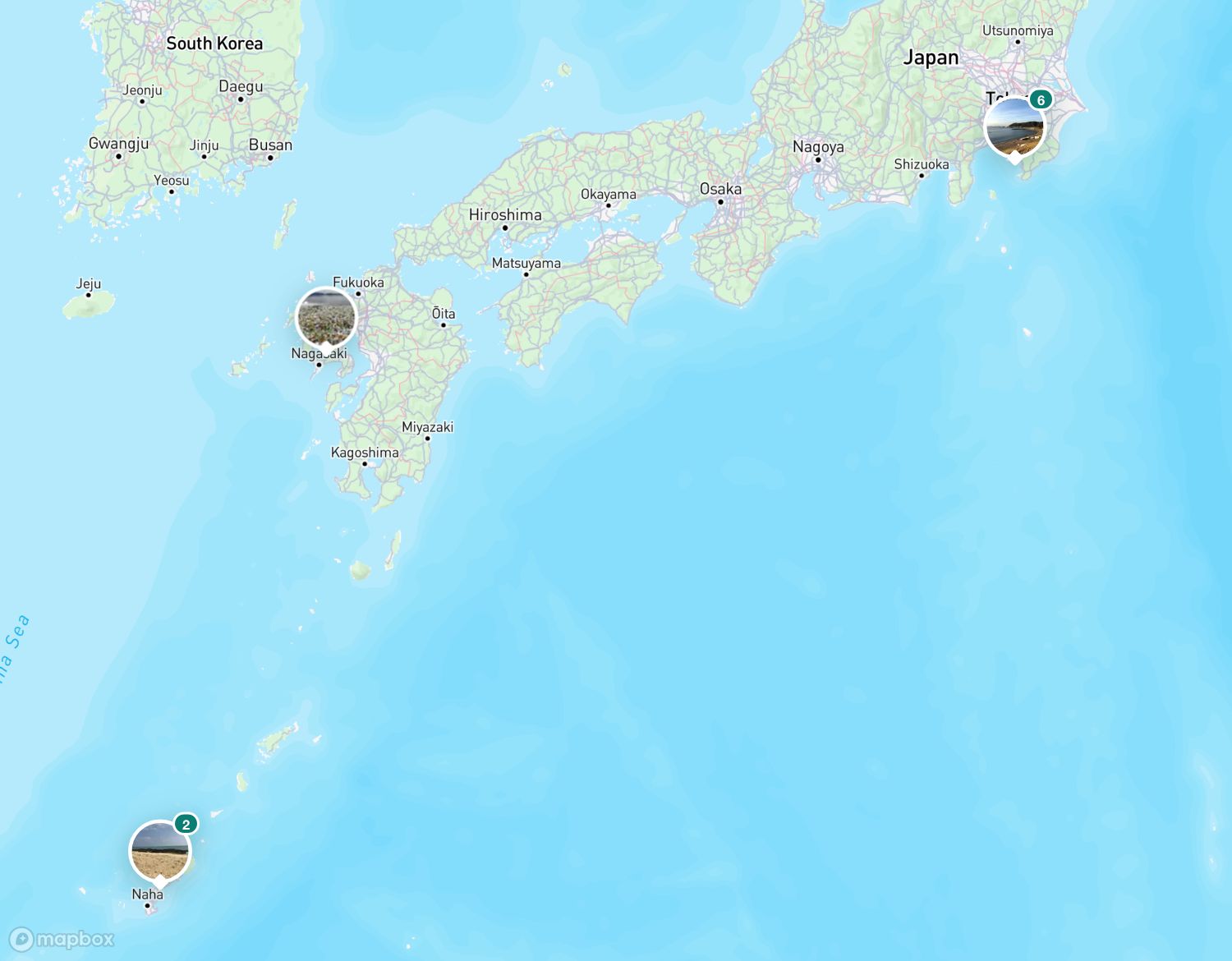 Open the interactive map
Every sea glass beach mapped in Japan
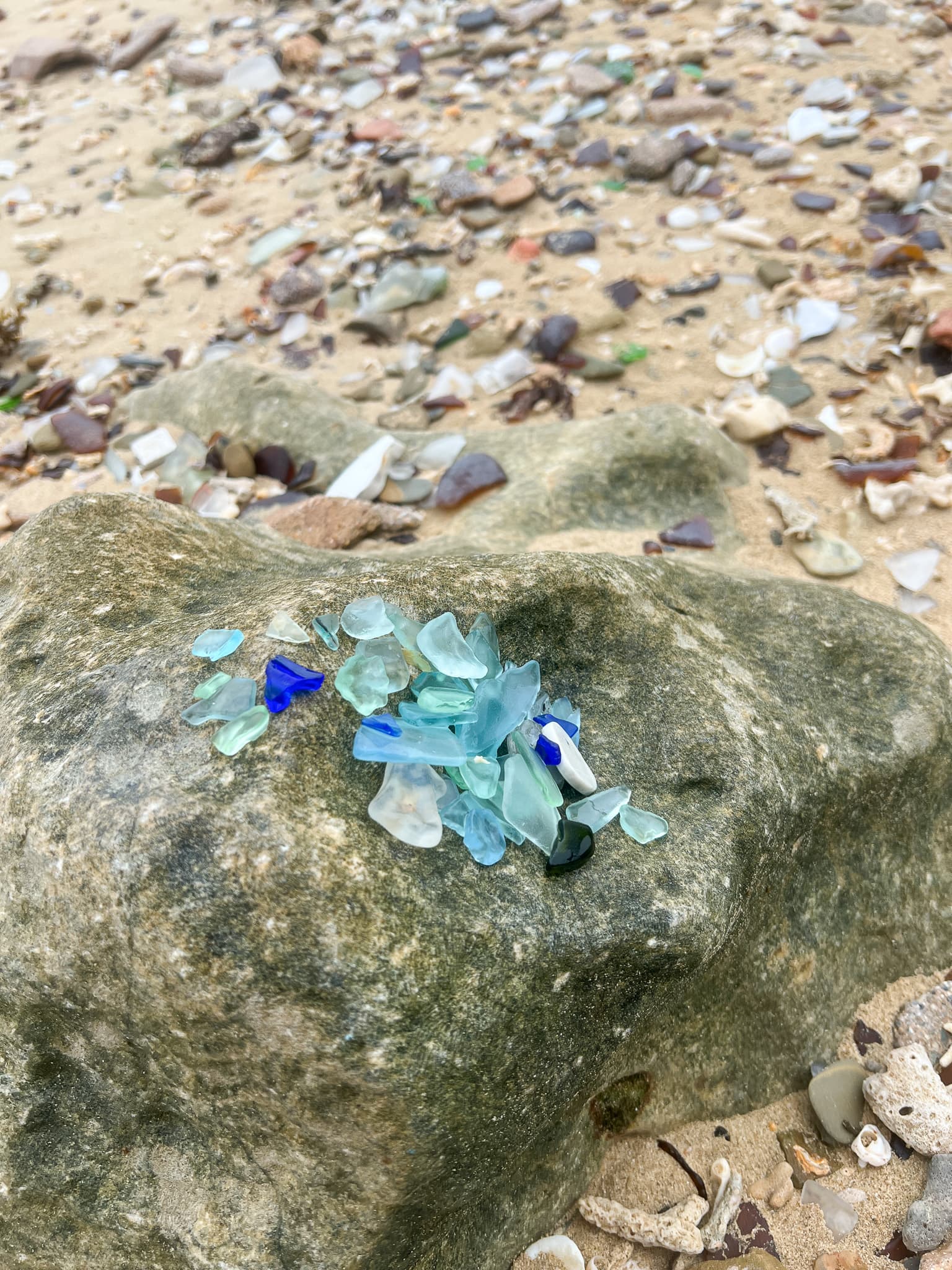
Hidden Sea Glass beach
The best sea glass we found on Okinawa. Colours in quantity, and unlike Kunjita just up the coast, nobody was combing this one. The road passes a small goat farm; carry on to the end of it and the path down to the beach is on your left, with no sign to mark it. Leave the car up there and walk, about two minutes down the beach.
Rare coloursLoads of glass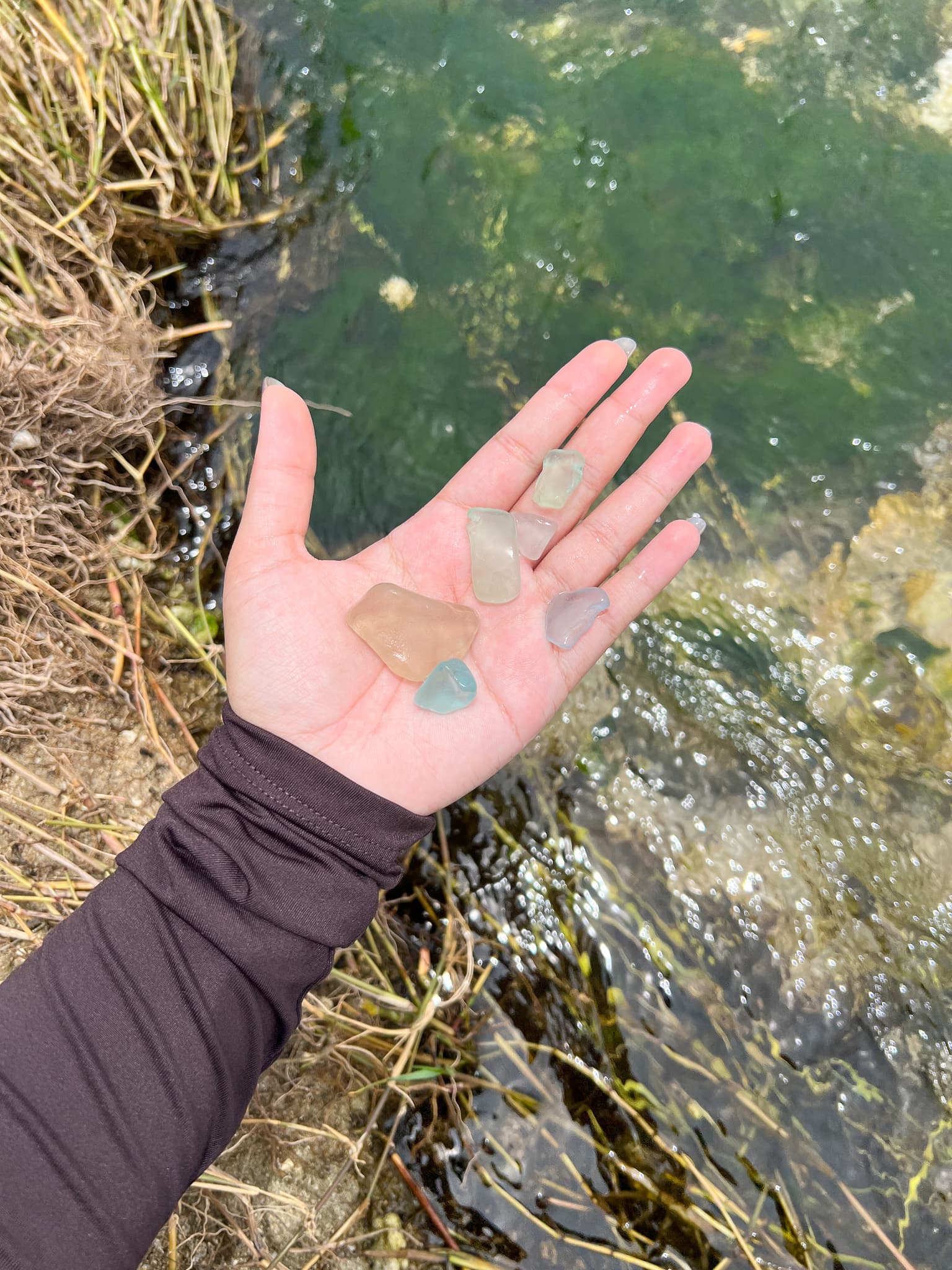
Komesu Coast
A shallow reef flat that dries out at low tide, with a small sandy stretch at the top of the beach, and it is the sand that holds the glass. There is not a lot, but it is there. The reef rock is sharp, so wear proper shoes if you plan to comb it. Parking is right above the beach.
Common coloursA few pieces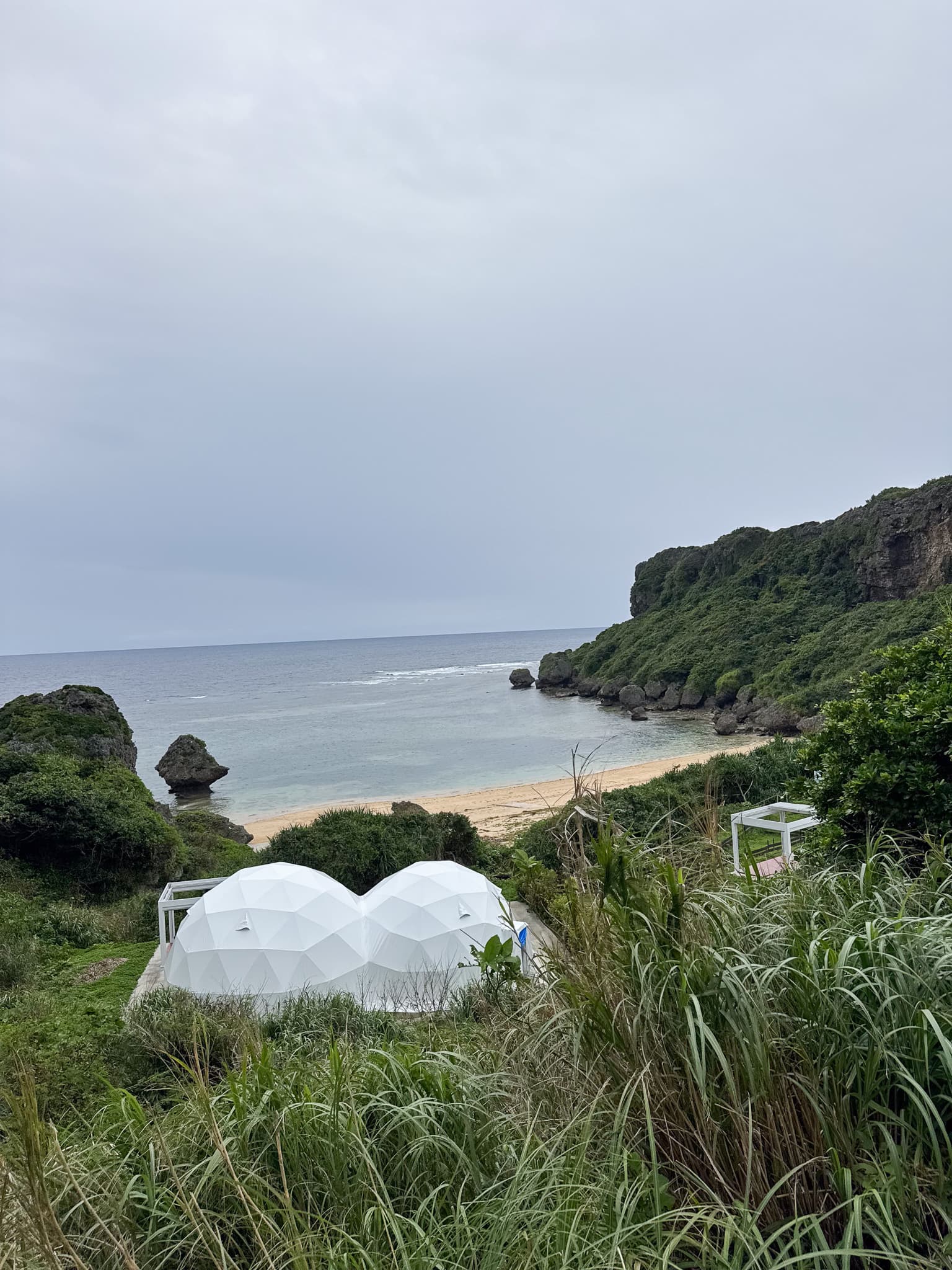
Akuna beach
You will probably not many rare colors here but thats a nice and safe place to do sea glass hunting with children. Leave your car on parking above glampark resort.
Common coloursA good amount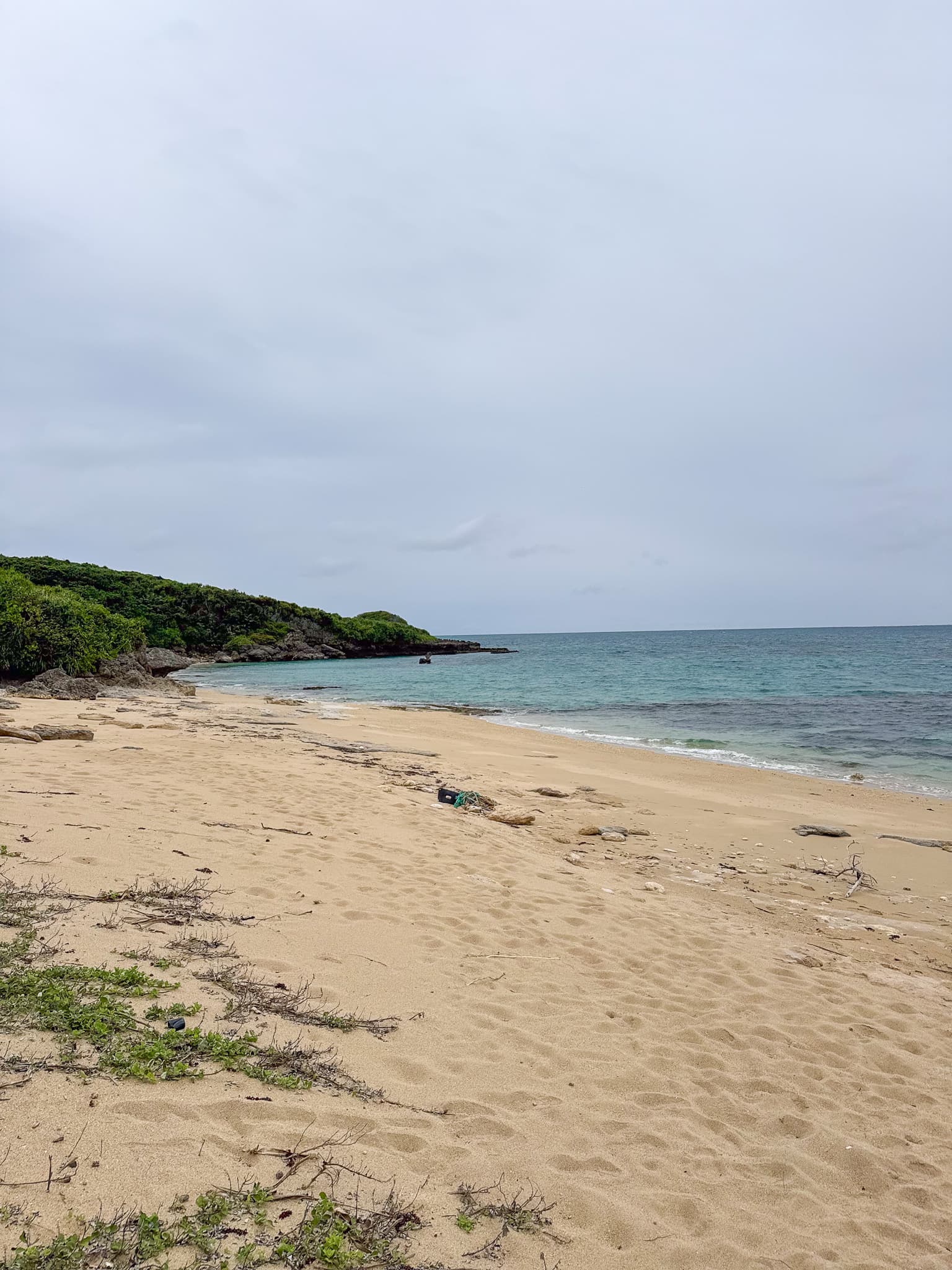
Kubakuma beach
Access the beach from behind of Takaesu Salt Factory. It's only allowed during operating hour of the factory (10am to 4pm).
Common coloursA good amount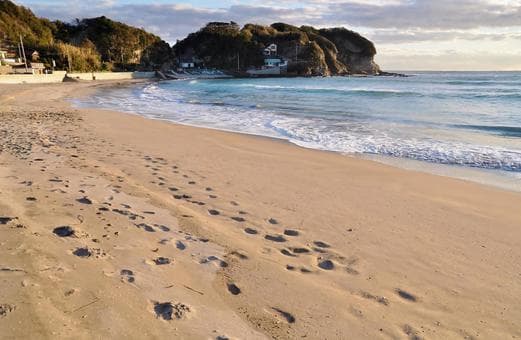
Moriya Beach, Katsuura
One of the cleanest beaches on the Pacific side of Chiba. The white sand is crushed shell, and the little island of Watashima sits 170 m offshore. The glass here is seasonal and it is not on the open sand: collectors report bagfuls in summer and literally none in autumn and winter, so check recent reports before you drive down. Blue and green dominate, white comes clear and frosted, brown is scarce. It sits inside the Minami-Bōsō quasi-national park: glass and pottery are yours, but the shellfish belong to the fishing cooperative. Taking abalone or turban shells here is poaching, with a seven-figure fine.
Common coloursA good amount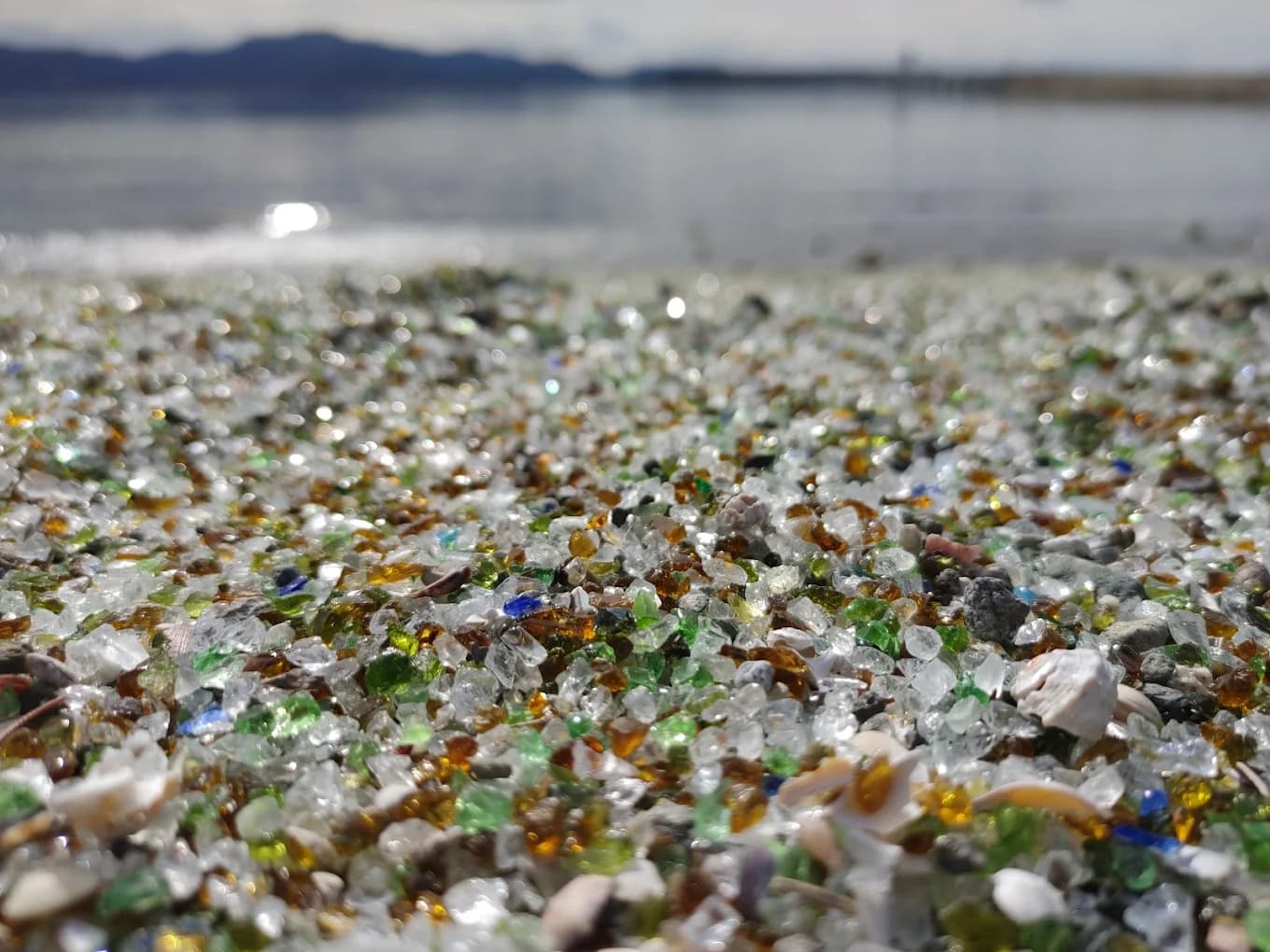
Glass Sand Beach, Omura Bay
Do not collect here. This is not sea glass: it is crushed recycled bottle glass, machine-tumbled and laid down by Nagasaki Prefecture in June 2016 to rebuild a clam bed and clean up Ōmura Bay. Taking it home is prohibited. It is doing a job. It is still worth the stop: a strand of blue, green and brown glass grains that glitters in the sun beside Nagasaki airport, with an information board explaining the scheme. Wear shoes (the prefecture warns a sharp grain slips through now and then), and don't swim.
Protected beach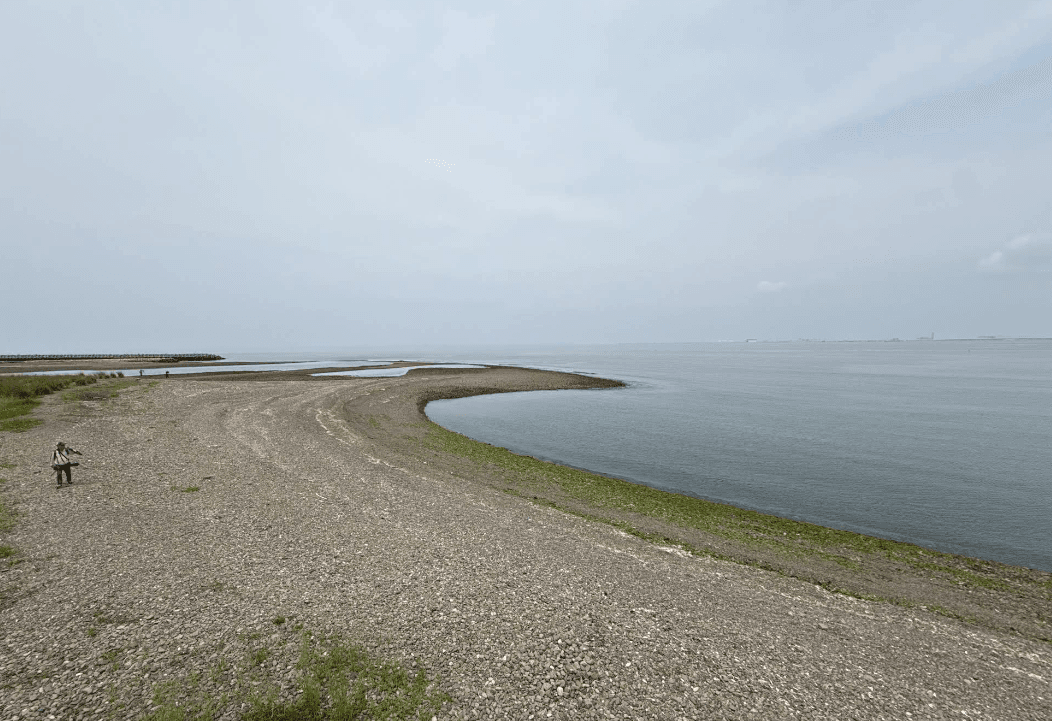
Otosari River Mouth, Hannan
Where the Otosari River meets Osaka Bay, on the boundary between Hannan and Sennan. River mouths trap what the bay carries, and this one delivers: aqua, white, green and amber glass in all sizes, and it is the stretch where old glass marbles turn up, three in a single winter day for one collector, along with embossed shards from pre-war bottles. Work both banks at low tide, the Hannan side first. An easy stop on the seaside cycling route that strings the whole Hannan coast together.
Uncommon coloursA good amount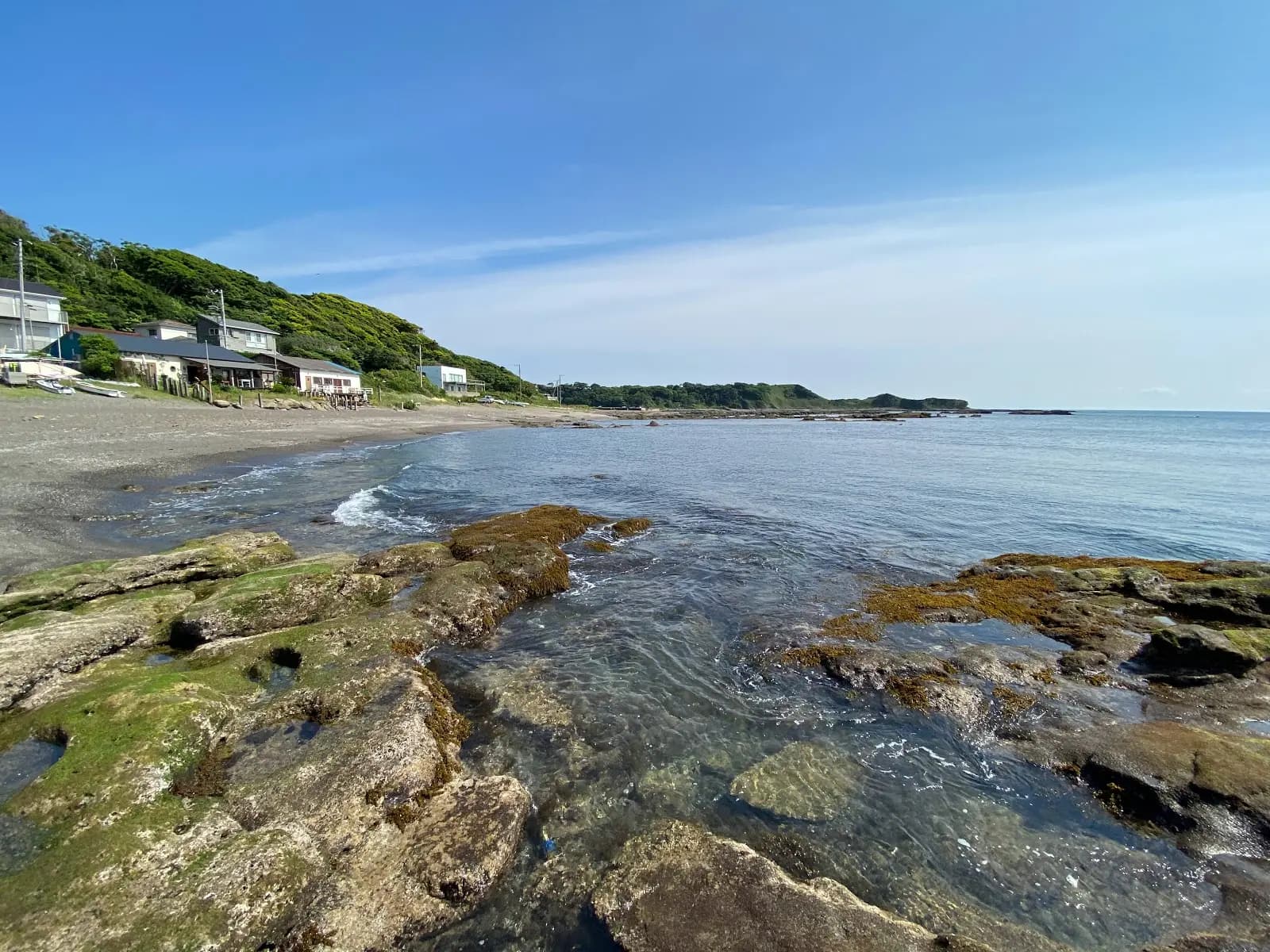
Mitohama Beach, Miura
A working-village beach at the tip of the Miura peninsula, open to the Kuroshio, which is why so much washes up. Mitohama's speciality is size: the glass comes in pieces big enough to drill and set, where Chōjagasaki up the coast gives you gravel. The rocky corner under Kurosaki-no-hana at the north end is where the shingle, and the shells, collect. There is no working car park (the old one closed in 2020), so walk out from Misakiguchi station, about 25 minutes.
A good amount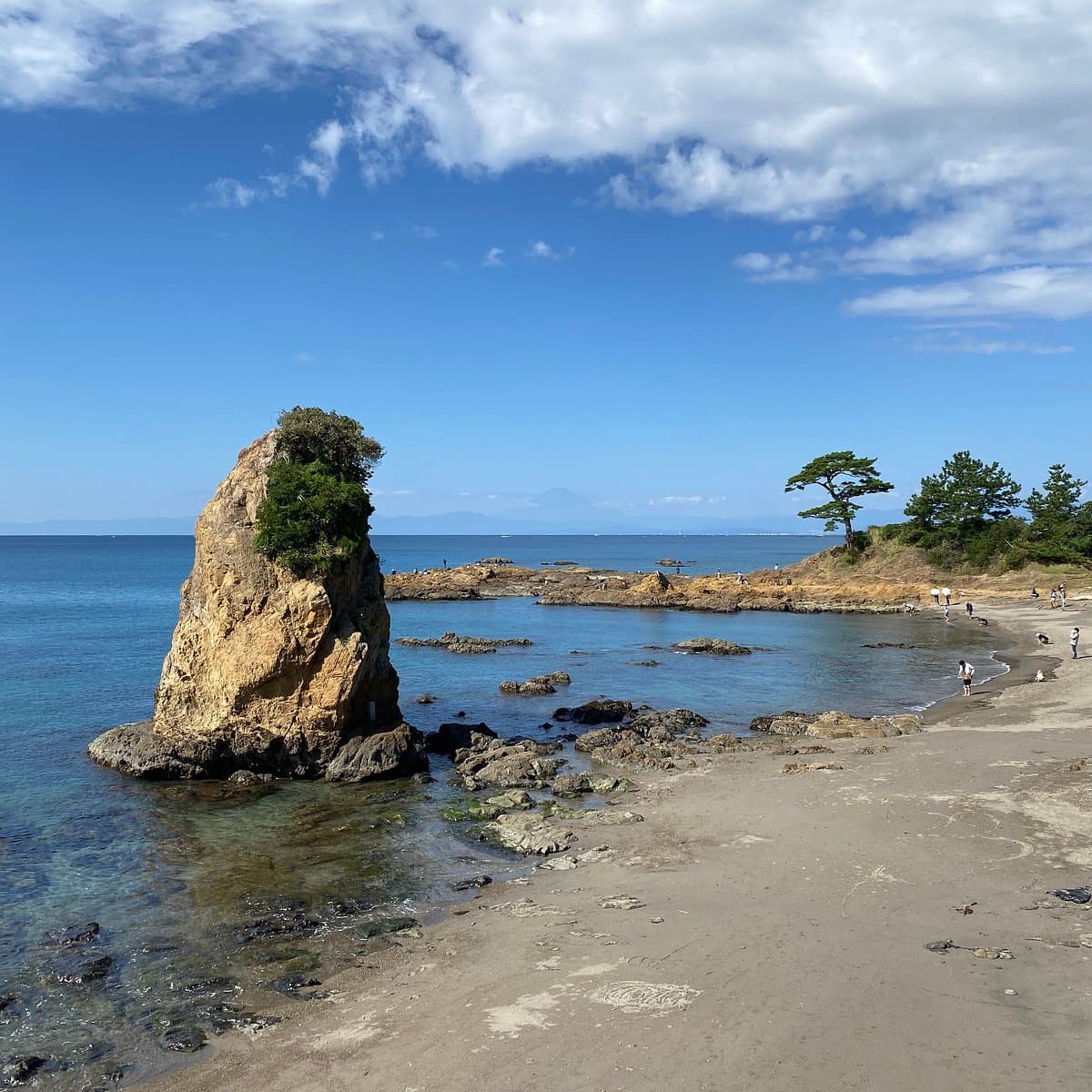
Tōmyōdō Coast, Yokosuka
Kantō's worst-kept secret. The main beach under the Tōmyōdō lighthouse is picked over and can leave you with nothing but pottery. The glass is in the small cove one rock scramble further south, barely bigger than a room, and it fills with bigger pieces than the main strand. Come at low tide, because the cove all but vanishes at high water, and wear shoes: red jellyfish wash up here. Buses run from Kurihama; there is paid parking by the lighthouse.
Loads of glass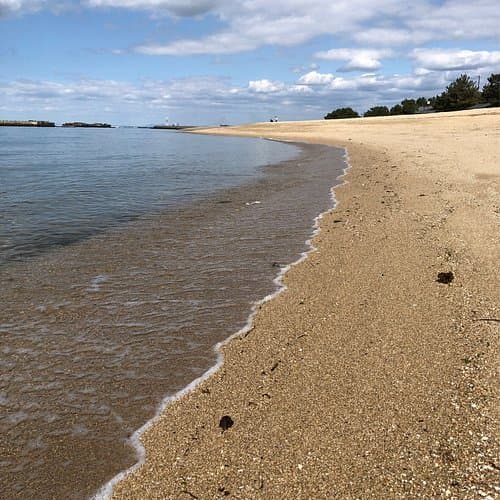
Hakotsukuri Natural Coast, Hannan
Just next to Pichipichi Beach, there’s a more natural stretch of sand and gravel where locals seem to do most of their searching. I’ve seen aqua, white, green and amber glass mentioned here, along with some older pottery shards. The main bathing beach is regularly cleaned, so stick to the rougher shoreline and check the gravel lines at low tide. It’s around a 15-minute walk from Hakotsukuri Station, so it’s a pretty easy stop from Osaka.
Uncommon coloursA good amount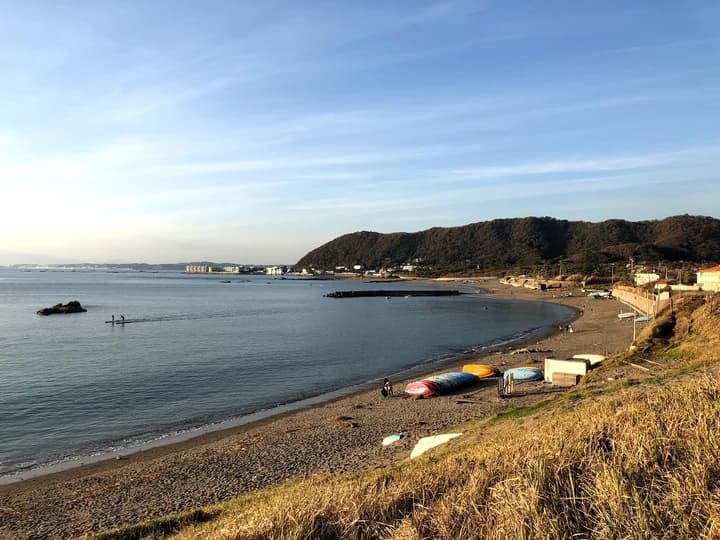
Chōjagasaki Beach, Hayama
The beach either side of the Chōjagasaki headland is the one Kantō collectors name first. Walk away from the stairs and keep going: the sand near the car park is bare, but where the shingle piles up, at the ends of the strand and beside the breakwater, the glass starts and doesn't stop. Pieces are small (bring a jar, not a bucket), mostly white with blue and brown. Winter is the season; by late summer the beach has been walked all over.
Common coloursLoads of glass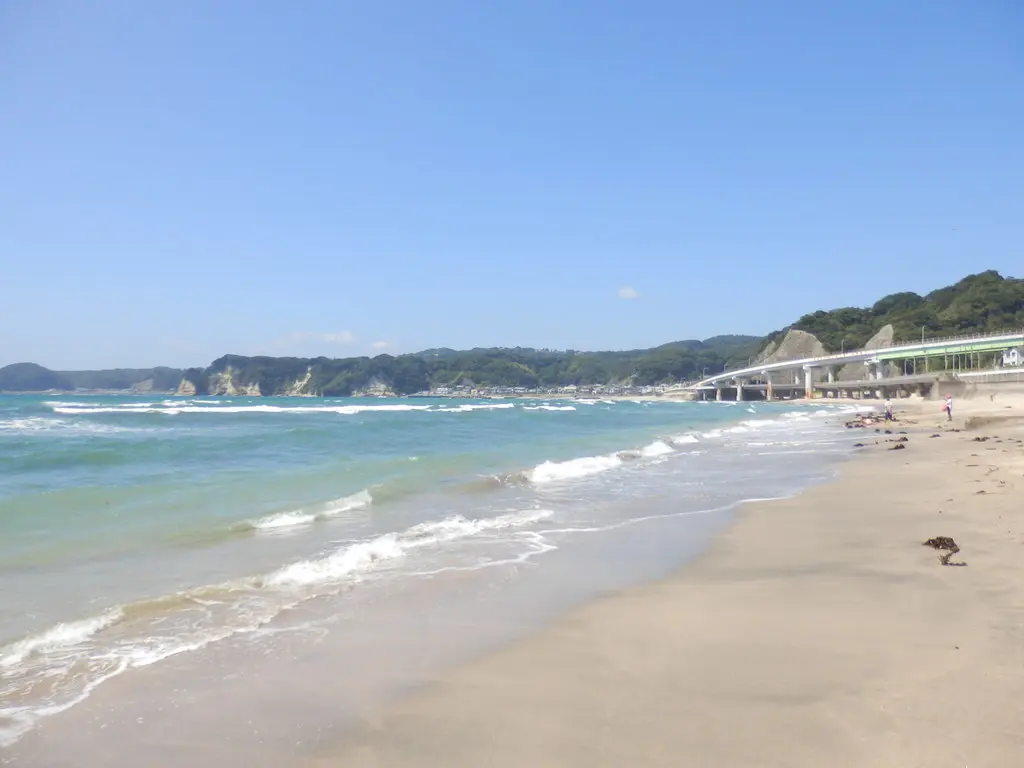
Katsuura Central Beach
Ten minutes' walk from Katsuura station, so you can do it on a day trip with no car. Work the strip between the Hotel Mikazuki frontage and the torii. That is where the glass and the pottery shards concentrate. Mixed sizes, plenty of ceramic, and at least one collector has come away with deep-blue pieces. The Katsuura coast is fishing-cooperative water: the glass is yours, the shellfish are not.
A good amount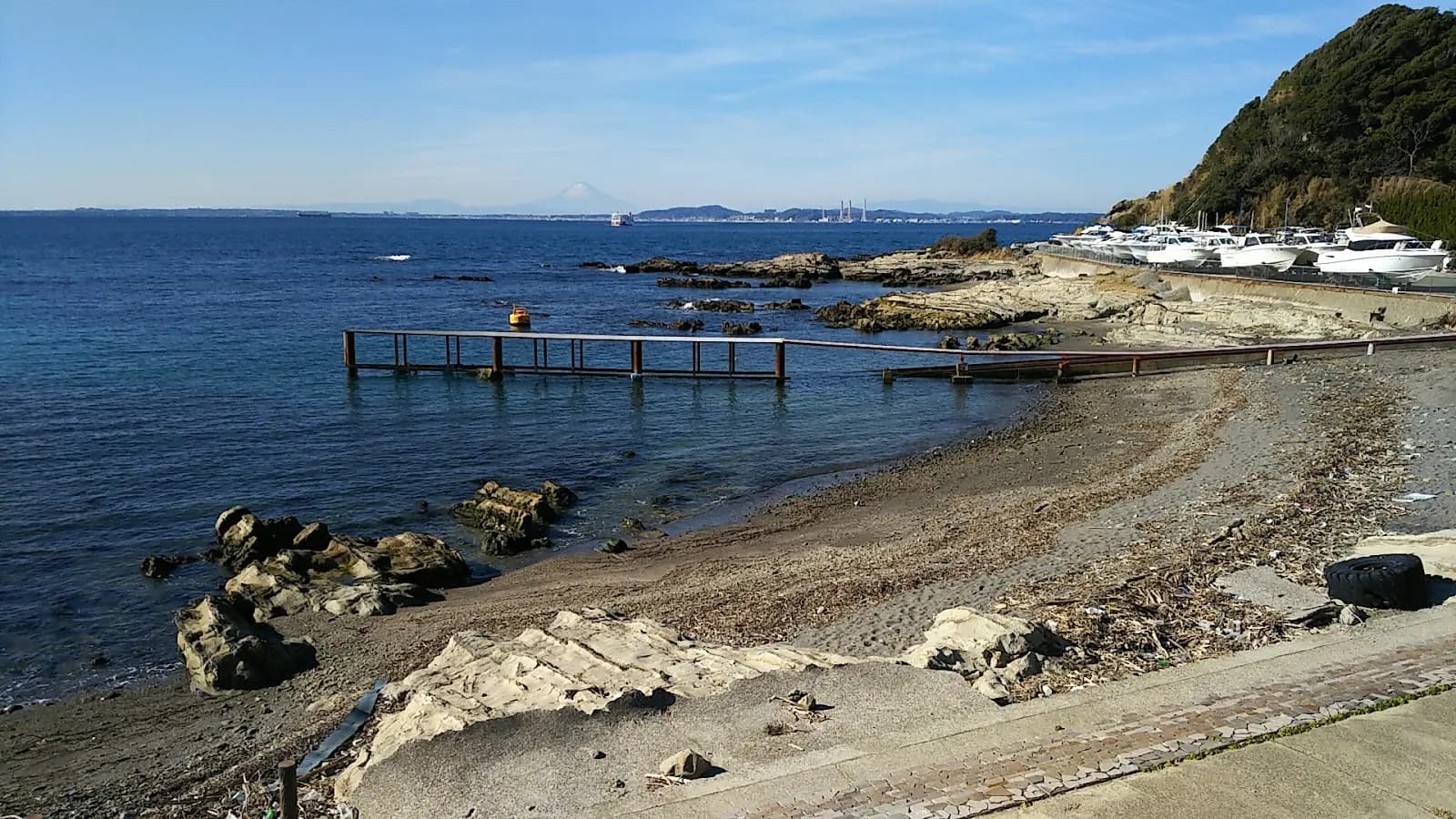
Kanaya Beach, Futtsu
A small beach in the shadow of Nokogiriyama, five minutes on foot from Hamakanaya station and the Tokyo Bay ferry, which is exactly why it holds glass: almost nobody walks it. Two collectors, six years apart, describe the same thing: pieces scattered right across the sand, from fingernail-sized up to pendant-sized, well frosted. It is a short beach; work it slowly rather than covering ground.
A good amount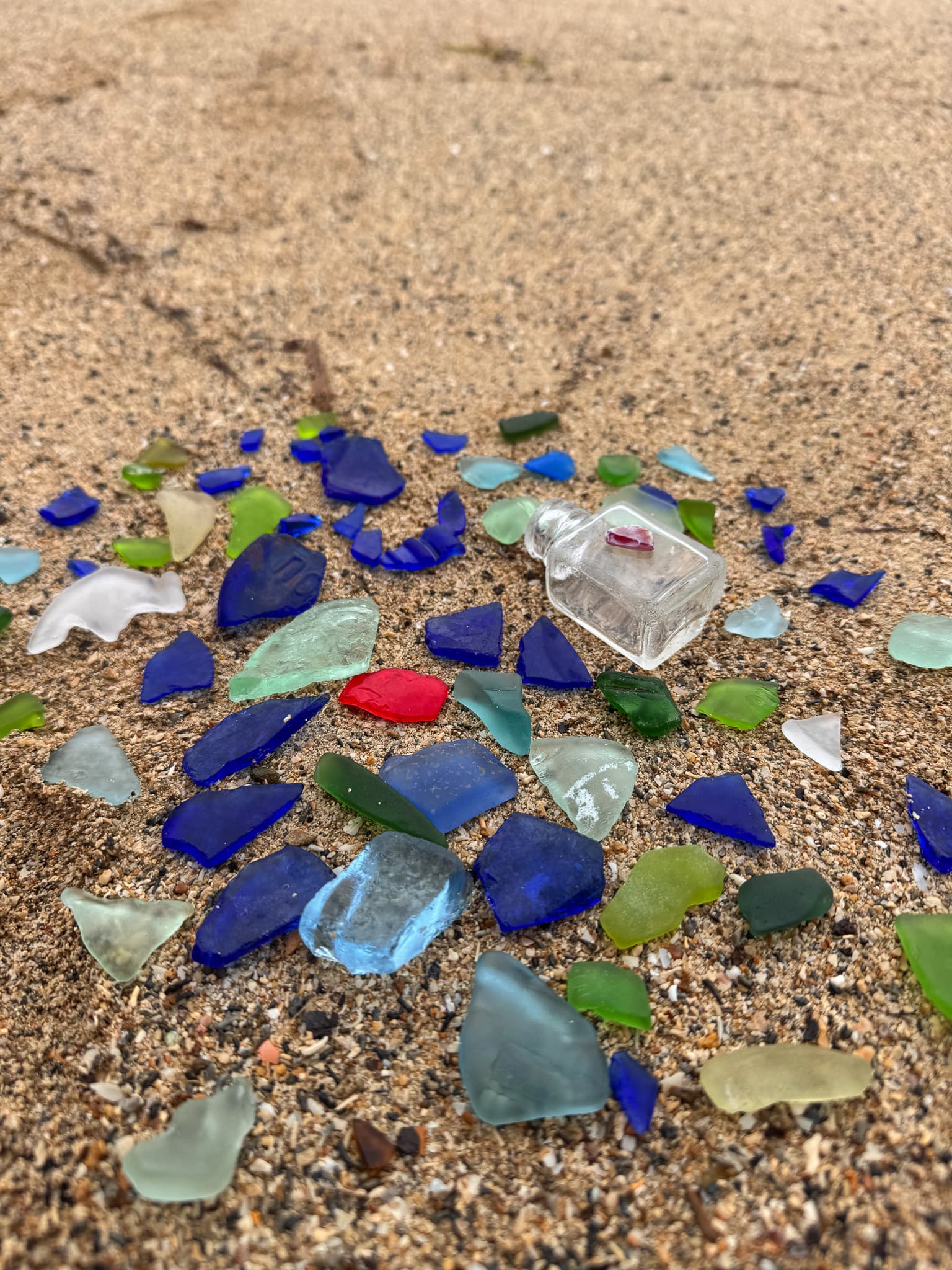
Kunjita Beach (Sea Glass Beach)
Kunjita Beach, commonly known as Sea Glass Beach. It is a 500 m strand on the Pacific side of Toyohara There is a lot of glass, most of it is young, few pieces have the thick, deeply frosted look of an old dumping coast and many still carry an edge. The full range of colours turns up, cobalt included
Rare coloursLoads of glass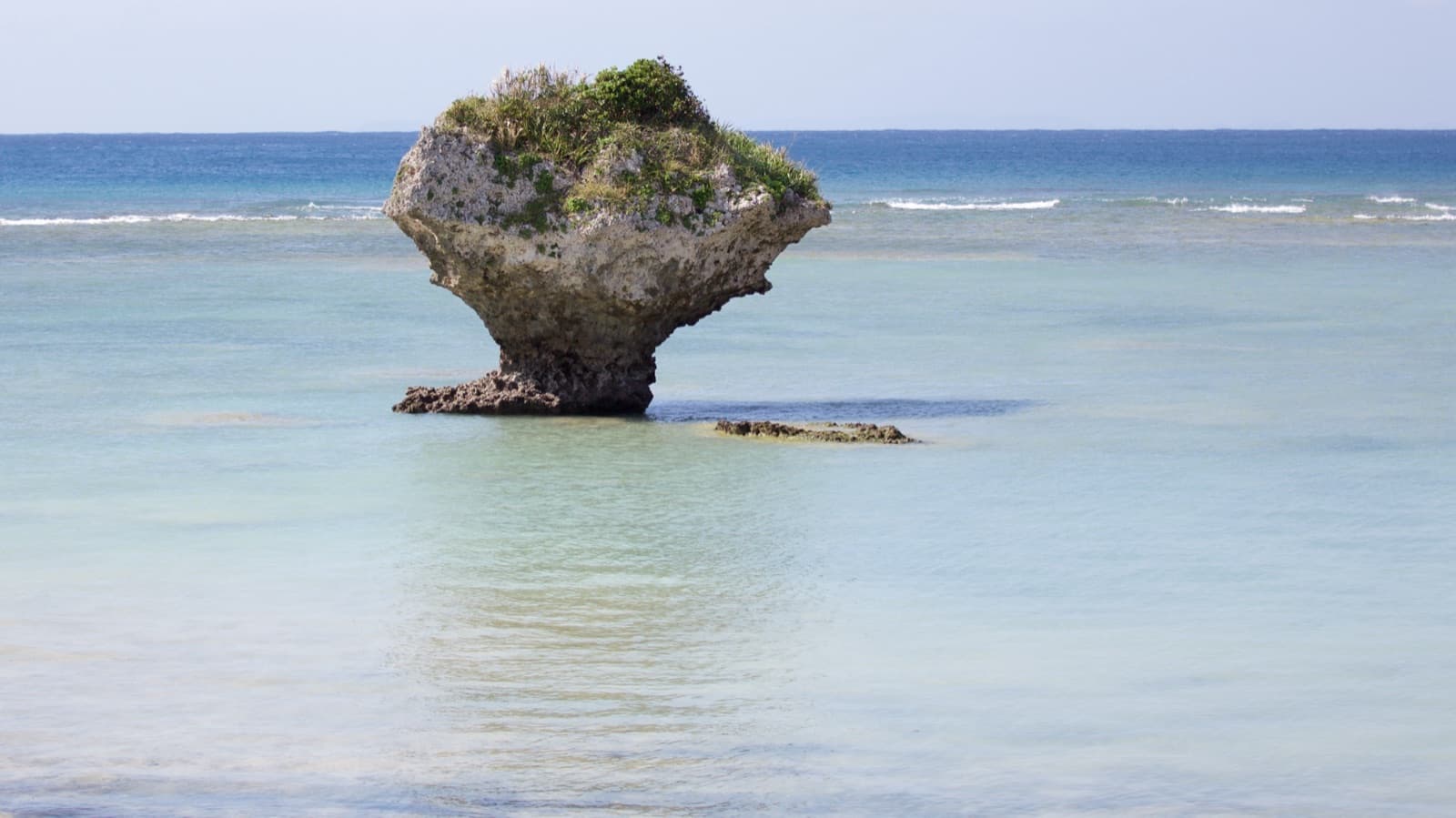
Toguchi Beach, Yomitan
A quiet Okinawan beach on the East China Sea where post-war glass still tumbles ashore. Greens and ambers mostly, with soft seafoam pieces between the coral rubble. Early morning at low tide is best. Photo by Pete Birkinshaw.
A good amount
Sea glass beaches in other countries
Found sea glass in Japan?
Drop the beach on the map so the next person knows where to look.
Add a spot