United Kingdom
If you're going to fall for sea glass anywhere, it will probably be here. For a hundred years Britain tipped its bottles and broken crockery into the sea, and the tides have been quietly returning it ever since, frosted and smooth. Seaham is the beach everyone has heard of, and it lives up to it, but plenty of quieter shores in Cornwall, Kent, Fife and the Highlands turn up good glass on a winter morning. Have a look at what collectors found on each one below, and go on a falling tide.
129 beaches, pinned by 43 collectors.
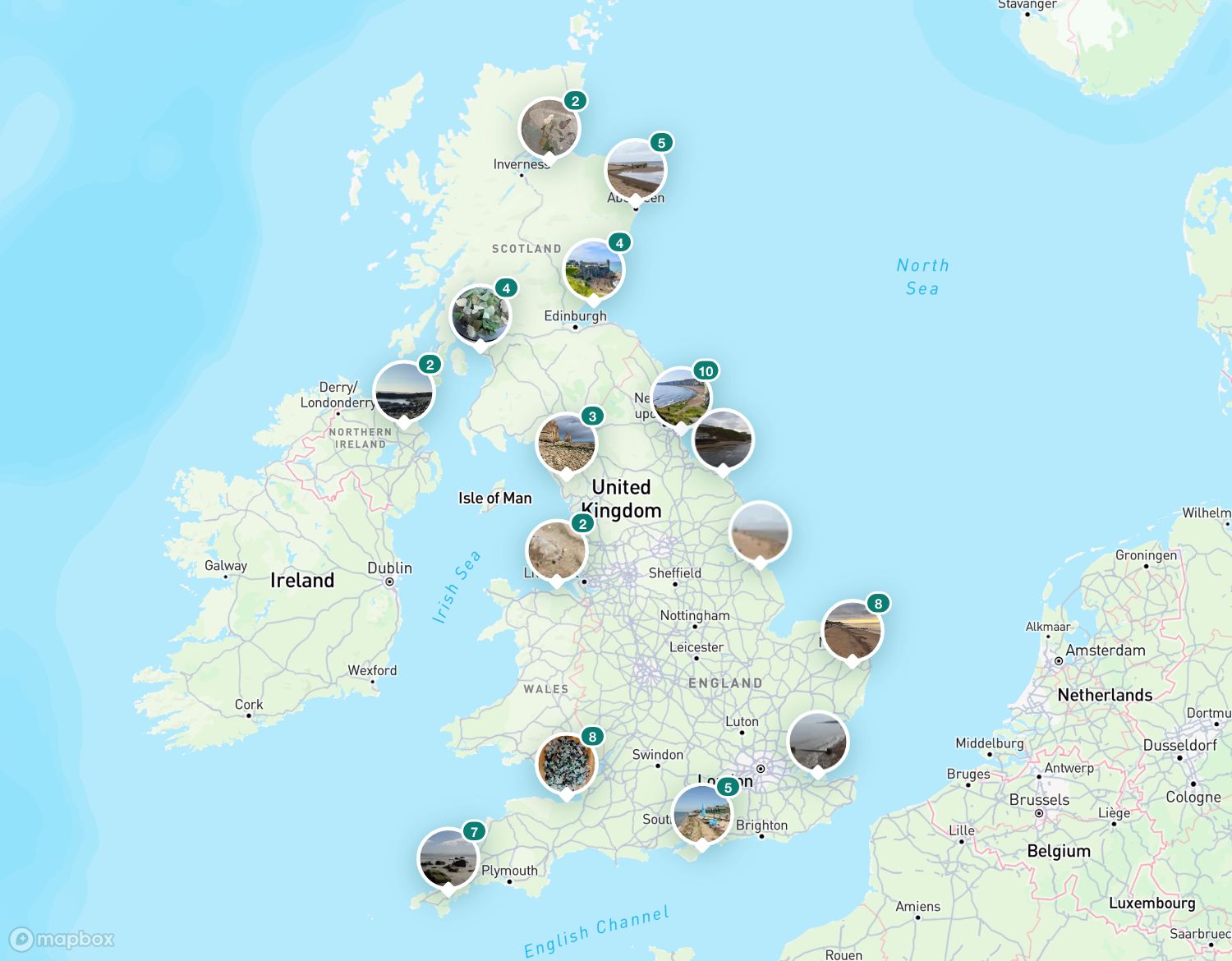 Open the interactive map
Cornwall
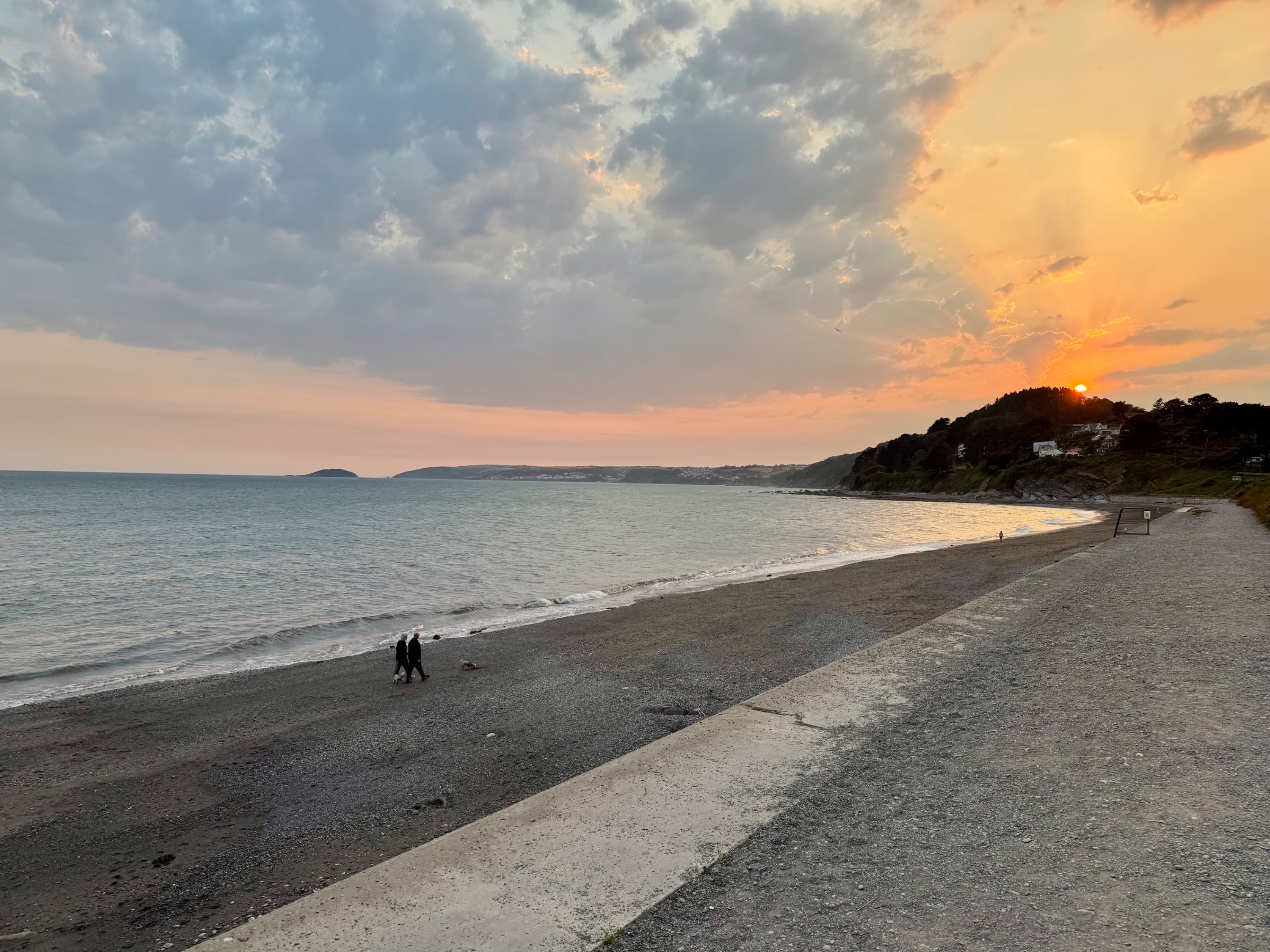
Seaton Beach
Well-known but not as busy as other local beaches. Mix of sand and pebbles and is known to yield rare colours, as well as sea pottery. Go at low tide. There is street parking, as well as an overflow parking lot a short walk away. The terrain gets rockier the further east you go (towards Downderry).
Grail findLoads of glass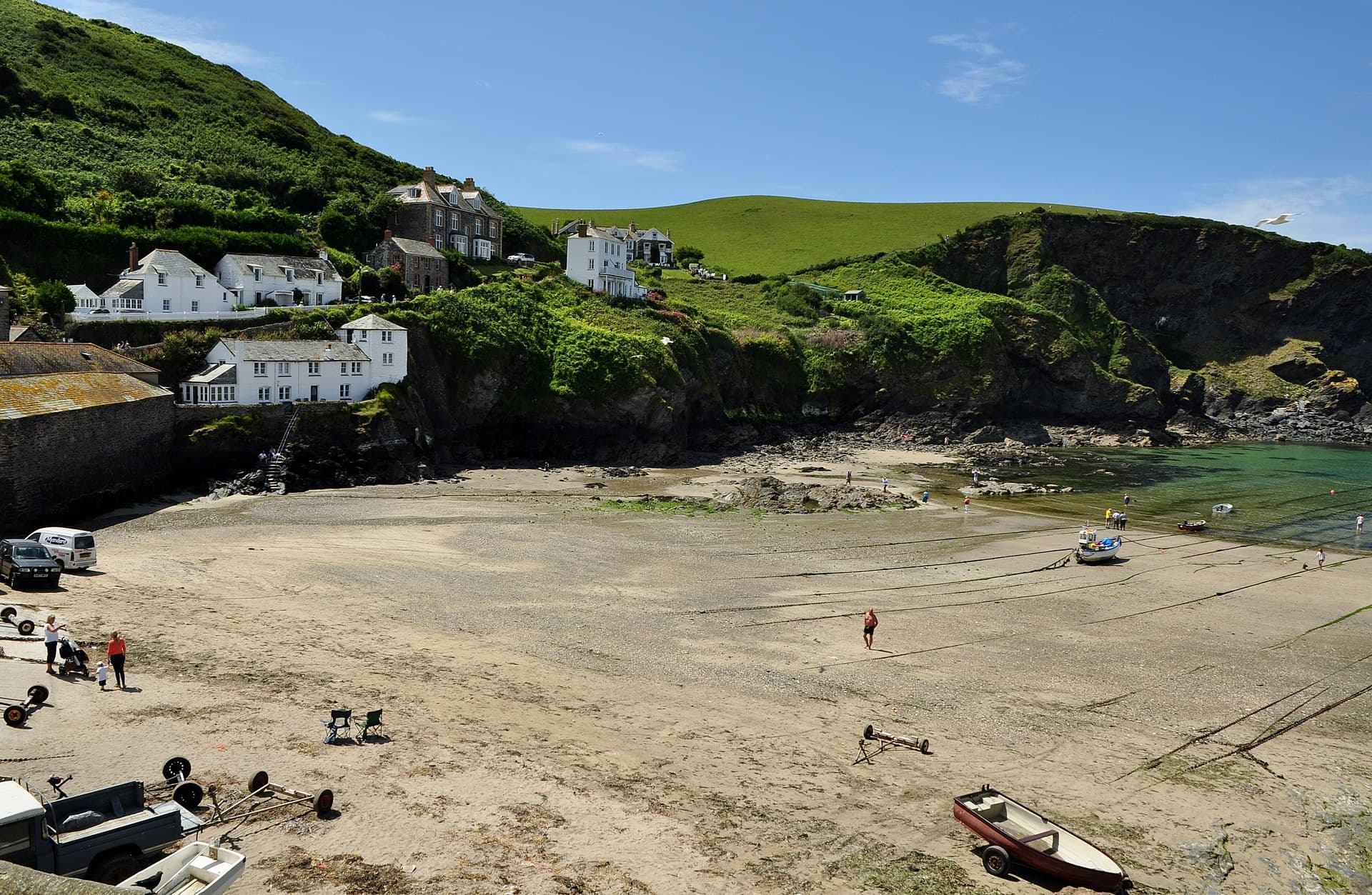
Port Isaac Beach
A small pebbly harbour beach between steep cliffs at Port Isaac, uncovered at low tide. The car park is at the top, so getting down means a walk through the village, which most people know as the Doc Martin one. Nobody has written up the glass here yet, though a pebble harbour beach is the right kind of ground. Photo : Lewis Clarke / CC BY-SA 2.0, via Wikimedia Commons. https://commons.wikimedia.org/wiki/File:Port_Isaac_,_Beach_%5E_Harbour_-_geograph.org.uk_-_2491699.jpg
A good amount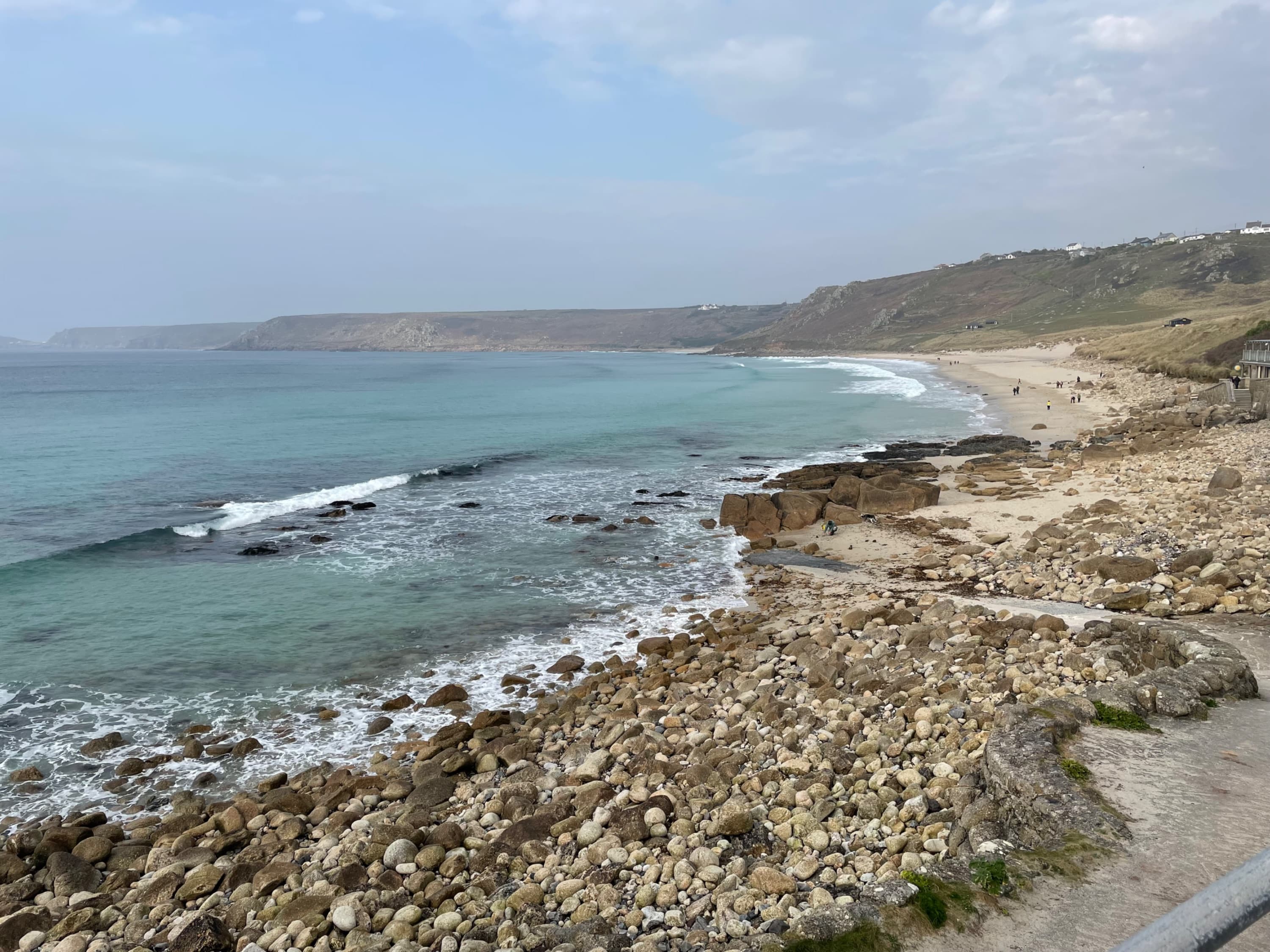
Sennen Cove
Very large beach with a good amount of sea glass and pottery, although it is busy. Mostly green/blue/white but also yields rarer colours. Most of the beach is sandy, but there are pebble “islands” and everything west of the southern car park ramp, near the jetty, is pebble—bits can be found there, too.
Rare coloursA good amount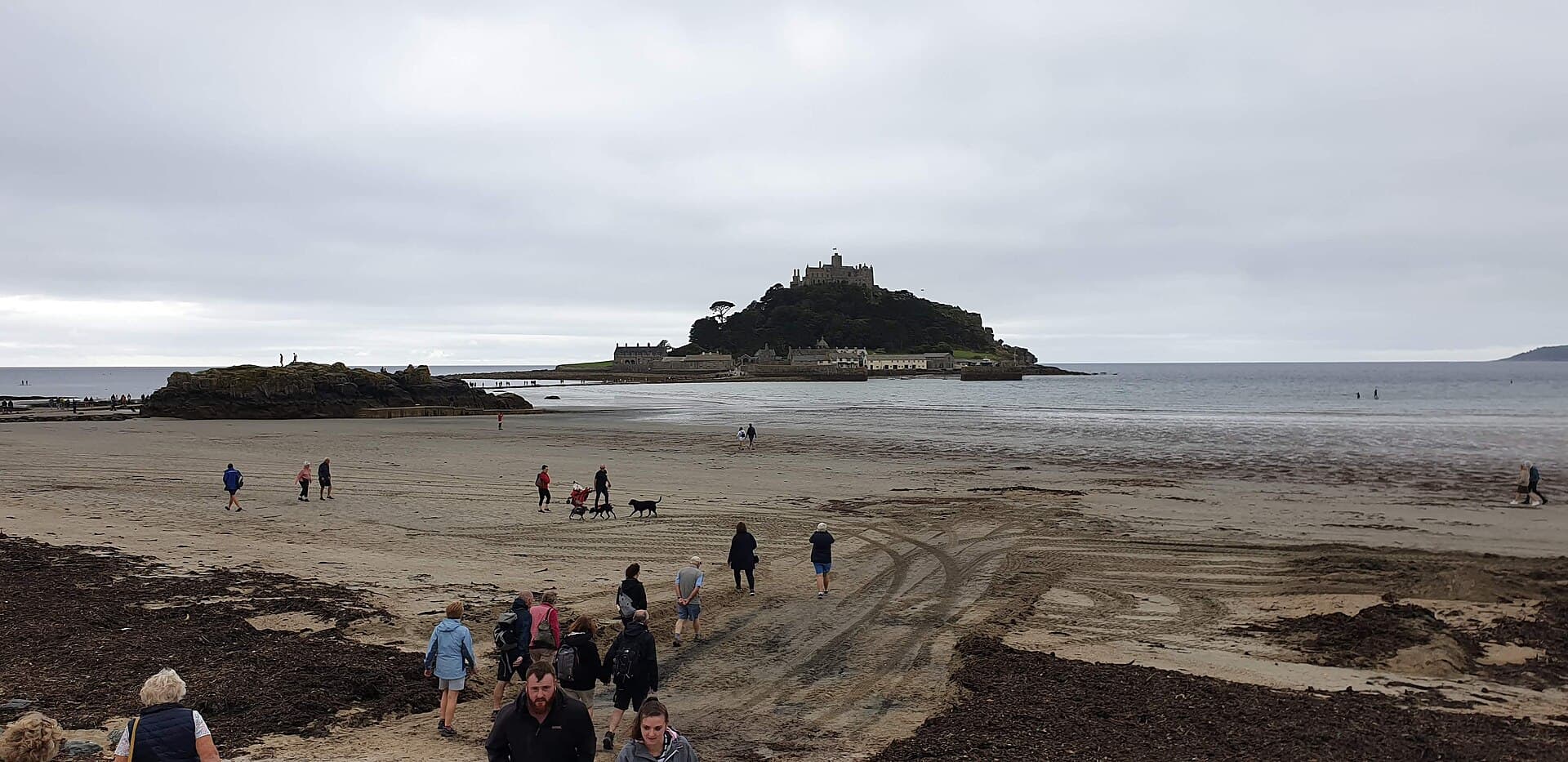
Marazion Beach
The productive stretch is the LEFT side of the beach, by the rock pools, and to the left of the causeway path out to St Michael's Mount. Plenty of pieces, but they run small. Purple is reported among the greens, whites and browns. Level access from the seafront car parks.
Rare coloursA good amount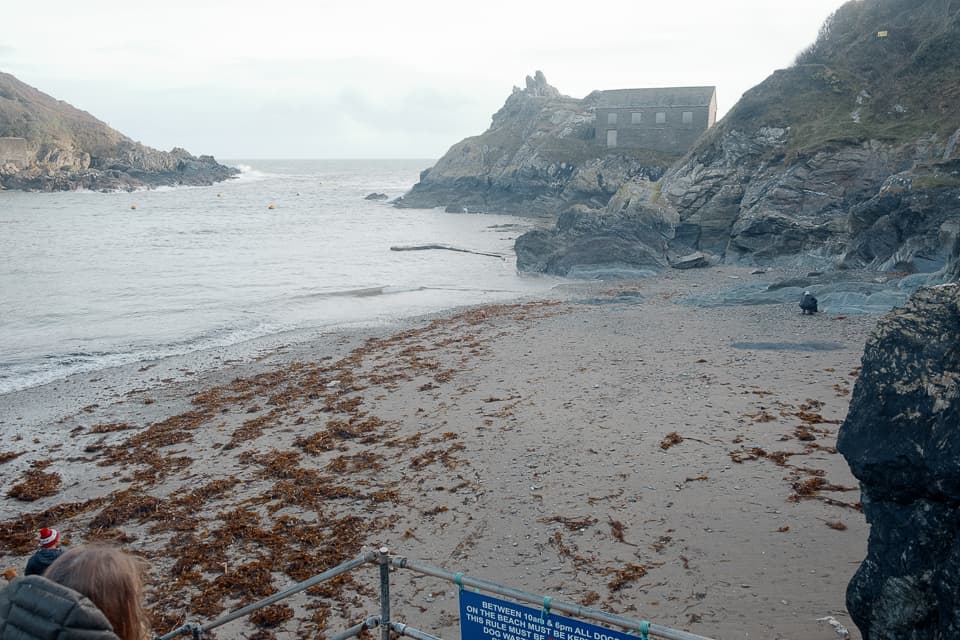
Polperro Beach
A small sandy cove inside the Polperro fishing village in south-east Cornwall, ringed by cliffs and uncovered at low tide. Park at the top of the village and walk down through the pedestrianised streets. Nobody has written up the glass here yet.
Loads of glass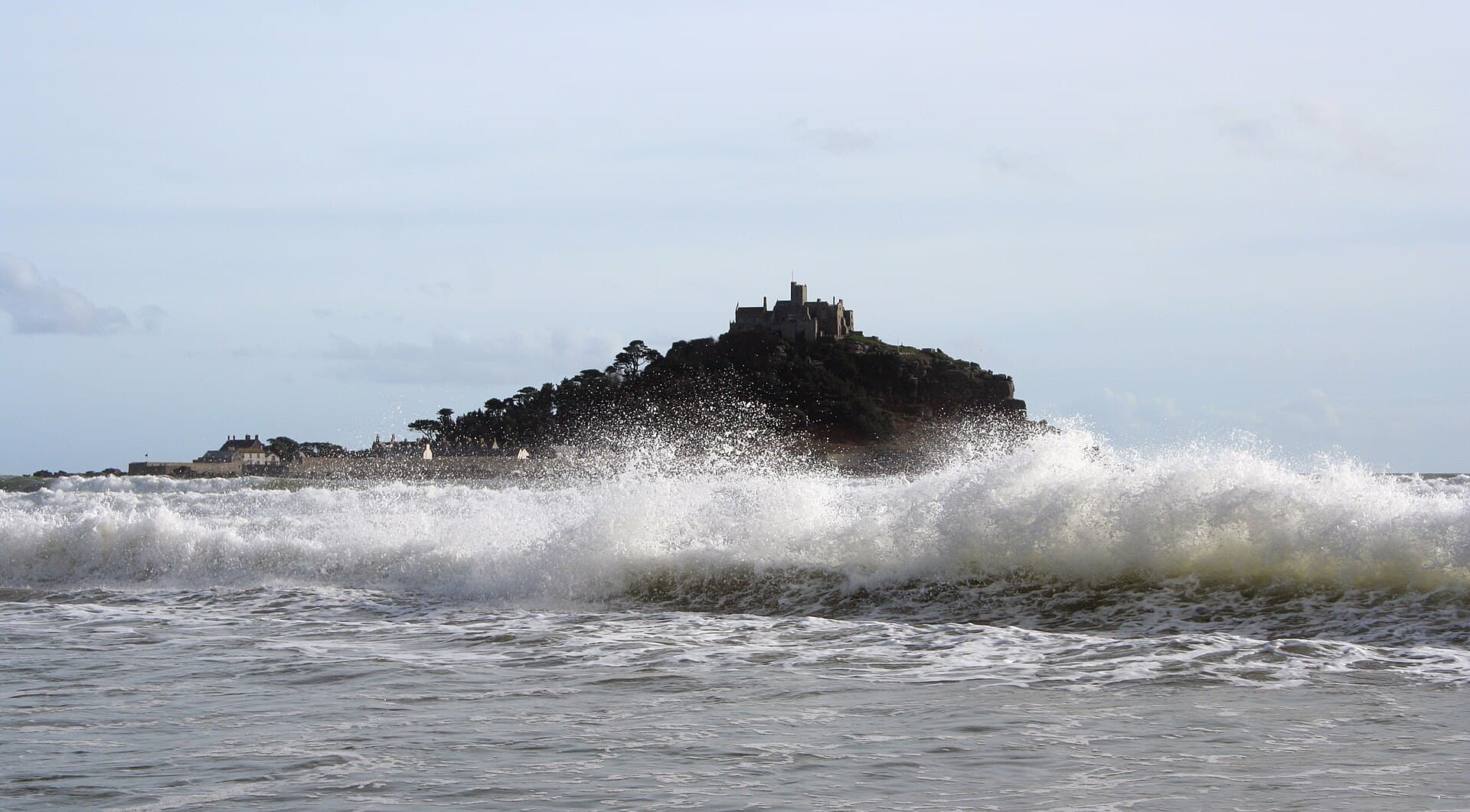
Mounts Bay Beach
A broad bay near Penzance, with long sand around Marazion and quieter coves at the edges, all of it under St Michael's Mount. The South West Coast Path runs along the back of it and there are car parks around the bay.
St Ives Harbour Beach
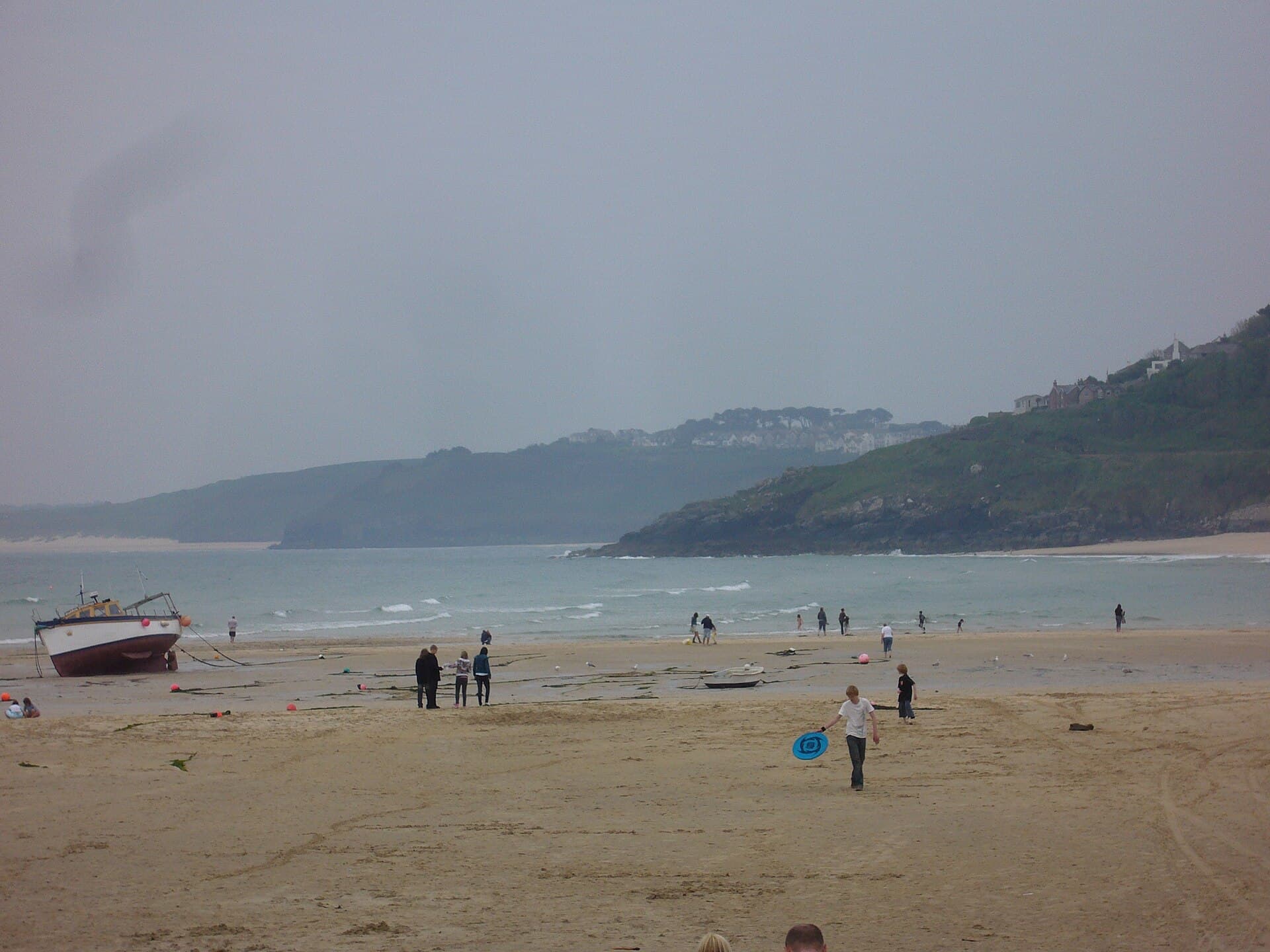
A sheltered harbour beach in the middle of St Ives, full of boats, opening out as the tide drops. The Tate and the shops are a minute away. Town parking is limited, but the beach is central and easy to walk to.
Uncommon coloursLoads of glass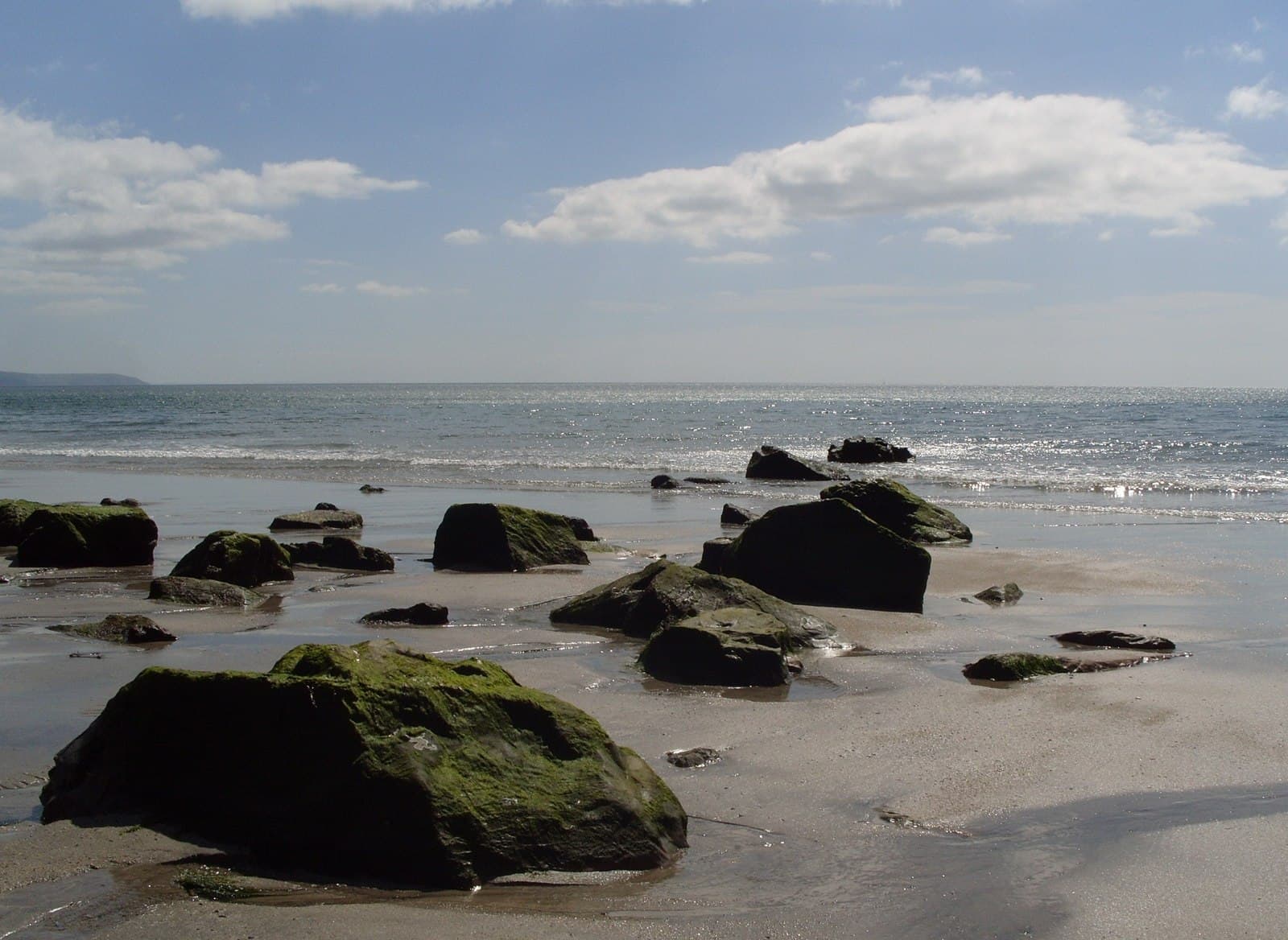
Pentewan Beach
A privately owned sandy beach near Mevagissey. You reach it through the Pentewan Sands Holiday Park, which keeps public access open. Parking by the beach is limited, with more in the village
Rare coloursLoads of glass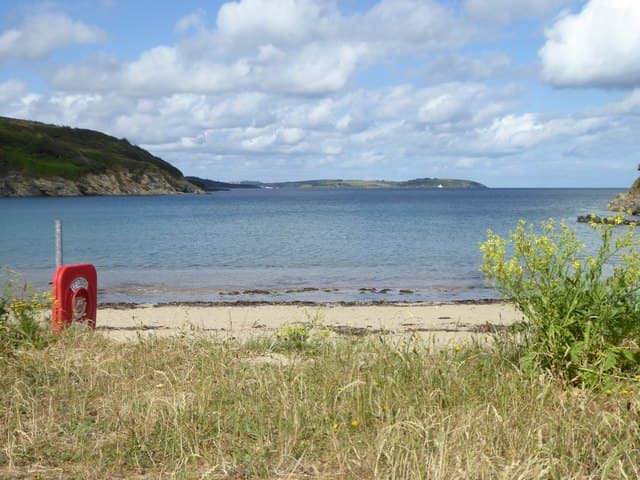
Maenporth Beach
A sheltered sandy cove near Falmouth, shallow and calm. The pay-and-display car park is right by the beach, though it fills fast on a sunny day.
A good amount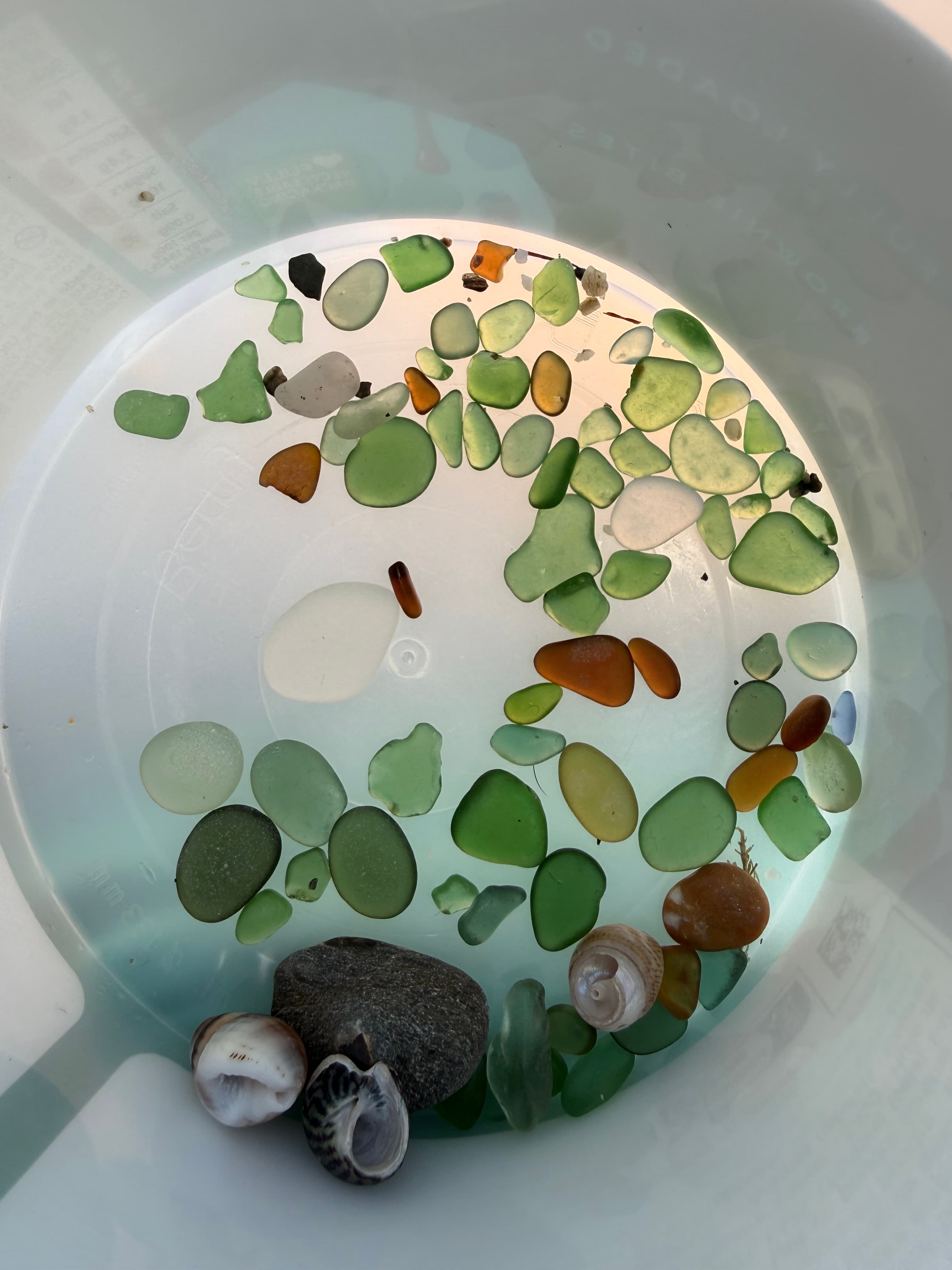
Vault Beach
Tiny roads to get to National trust car park. Walk down and back up is steep. Good place for swimming with kids. Saw a seal.
Hard to reachCommon colours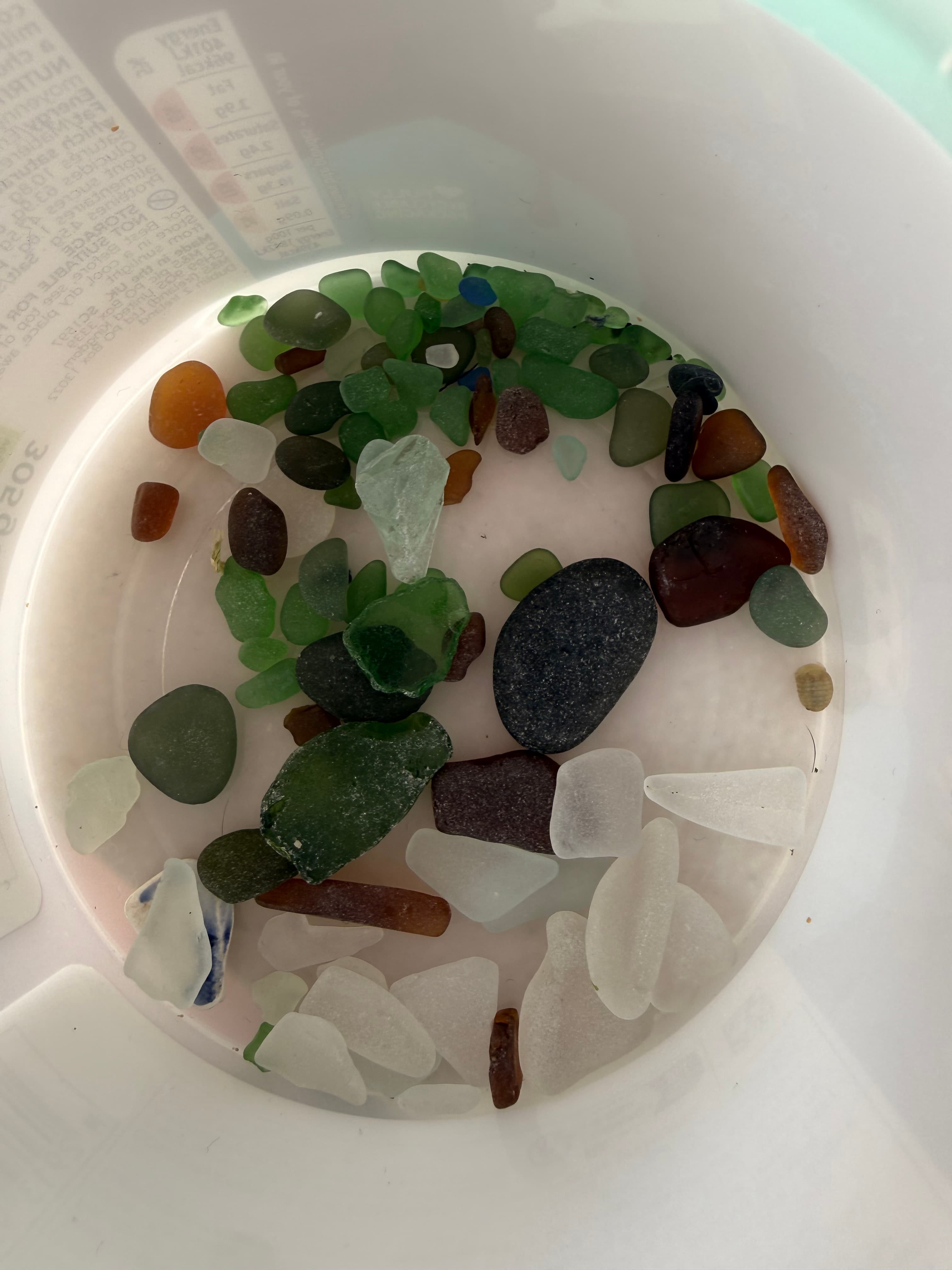
Polstreath
Very little parking near coast path. Park in mevagissey and then a steep hike through the streets and then down 200 steps!
Hard to reachCommon colours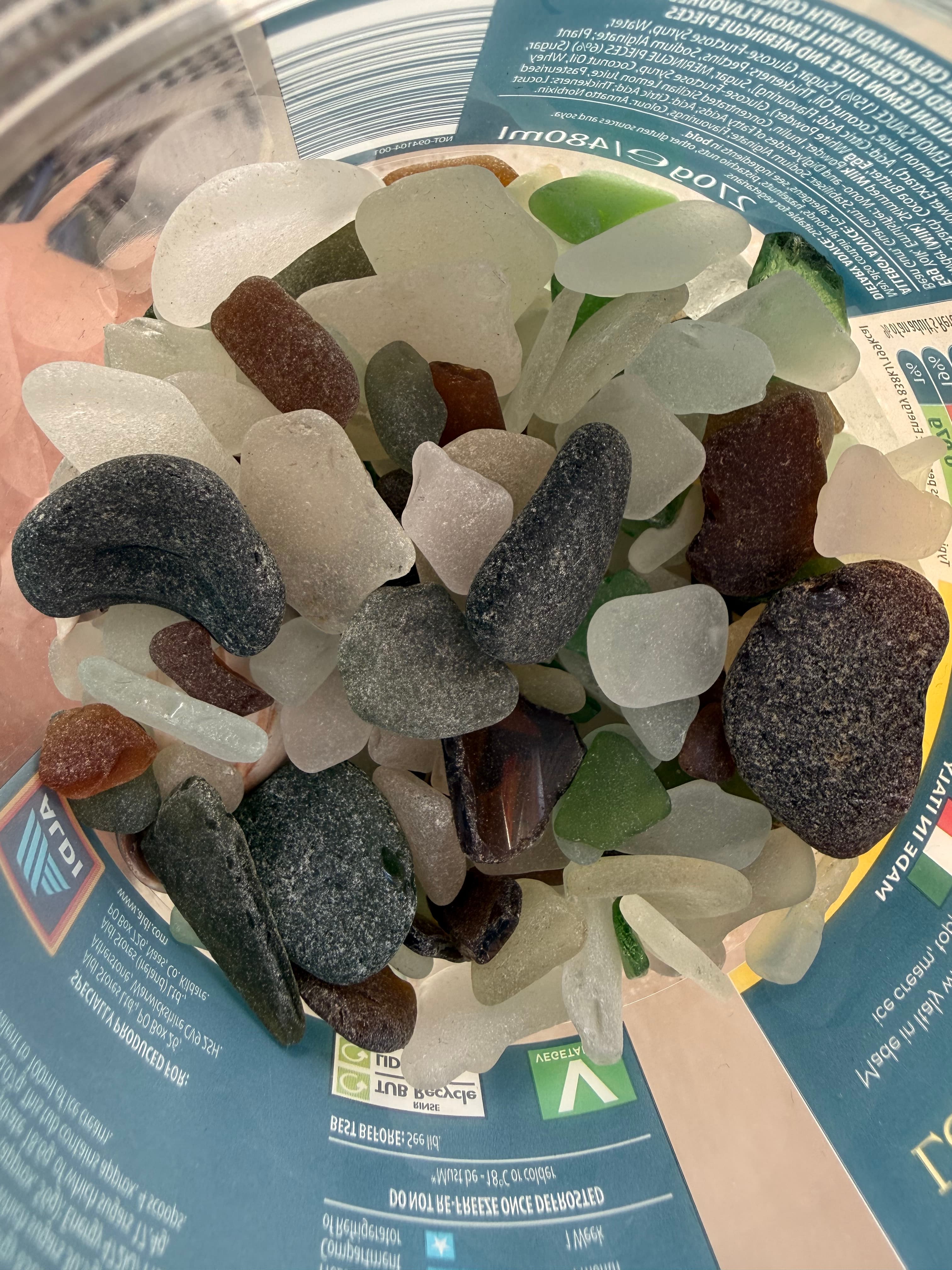
Aquarium
To the right of the aquarium
Common coloursA good amount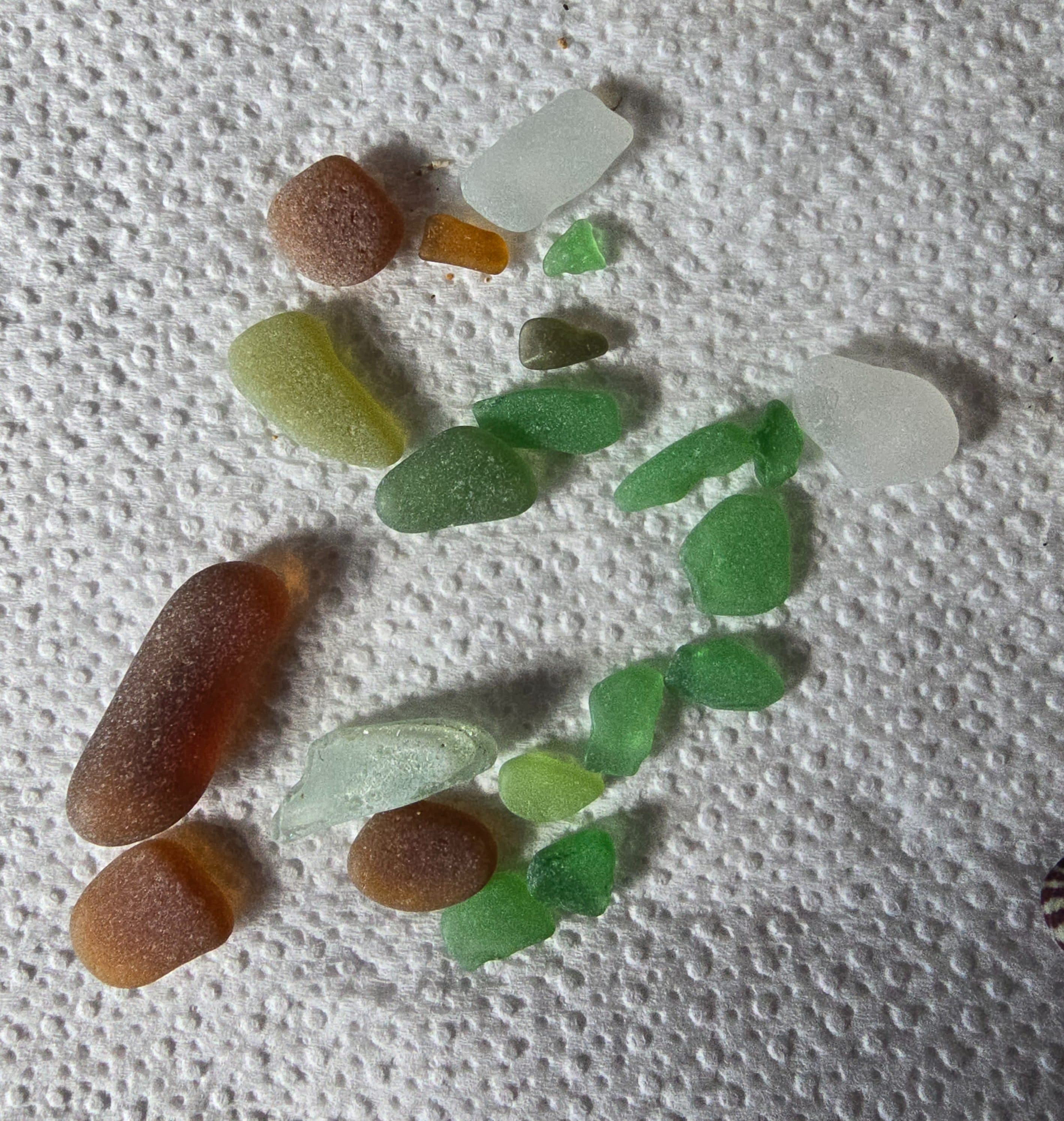
Swanpool
Beautiful clear blue water
Common coloursA good amountGREENBANK BEACH
Low tide only
Common coloursA few pieces

Highland
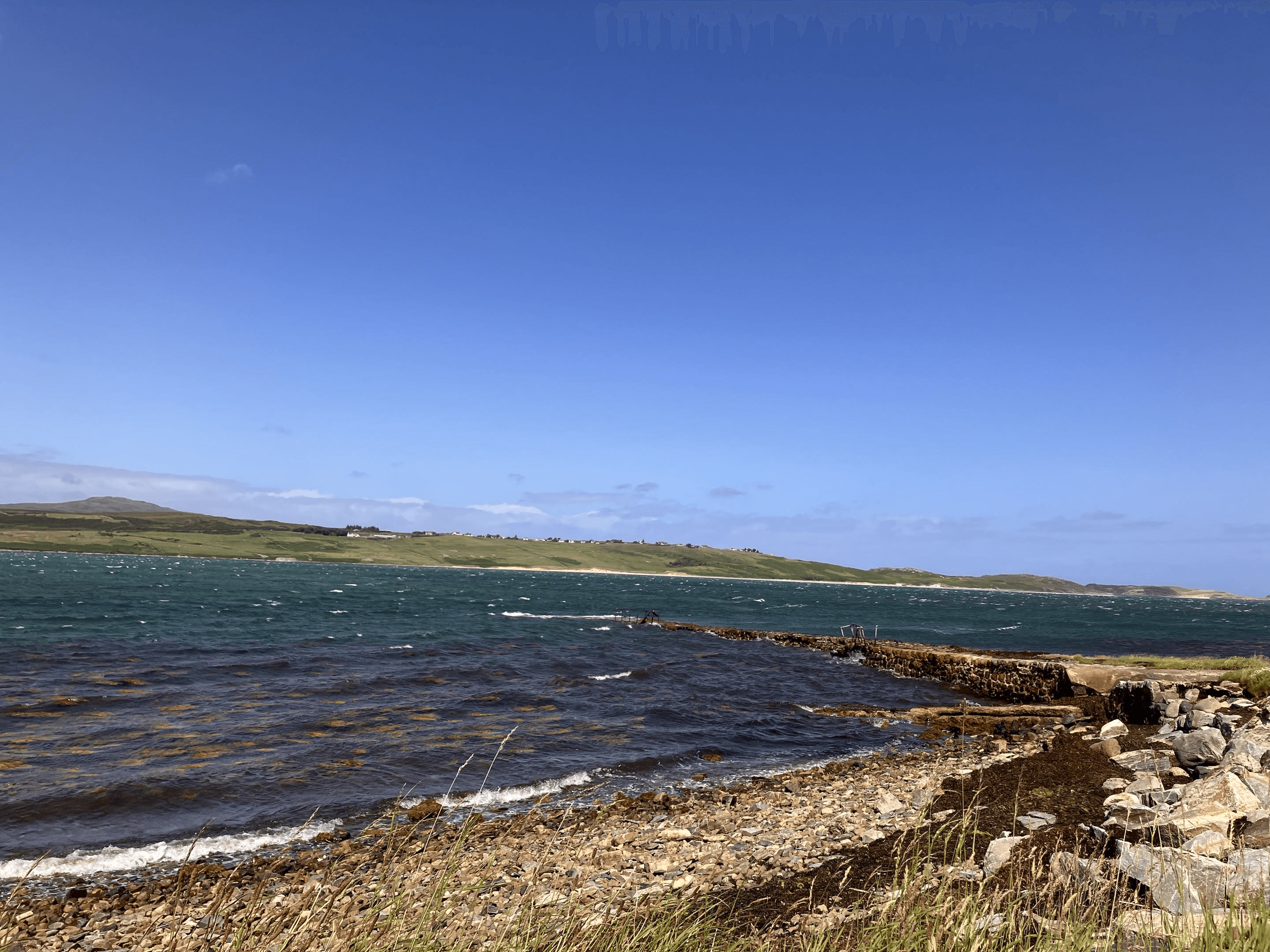
Old Kyle of Tongue Pier
Best at low tide, at the tide line. Whole bottes sometimes wash up. I've only explored the area on the right of the pier and it is ABUNDANT. Big pieces all the way down to small pieces. Lots of pottery as well. Upon exploring the left side of the pier, I found some aqua! But it’s more challenging to navigate than the right.
Grail findLoads of glass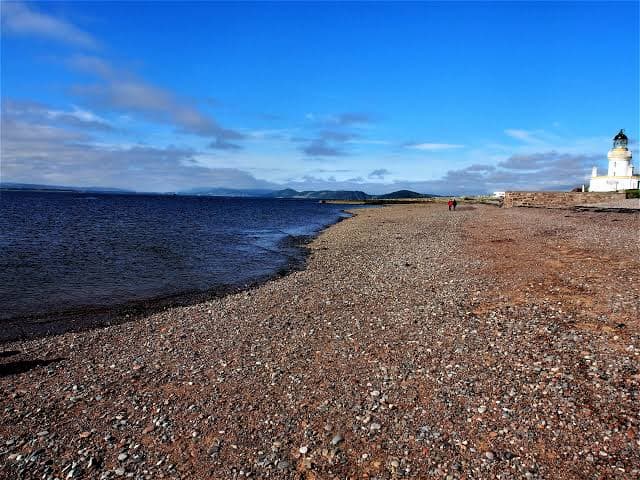
Chanonry Point Beach
A shingle-and-sand spit on the Moray Firth, better known for dolphins than for glass: this is one of the places in Scotland where bottlenoses come close in to shore. Parking at the point is limited, so at busy times people leave the car in Rosemarkie or Fortrose and walk in. Nobody has written up the glass here yet.
Loads of glass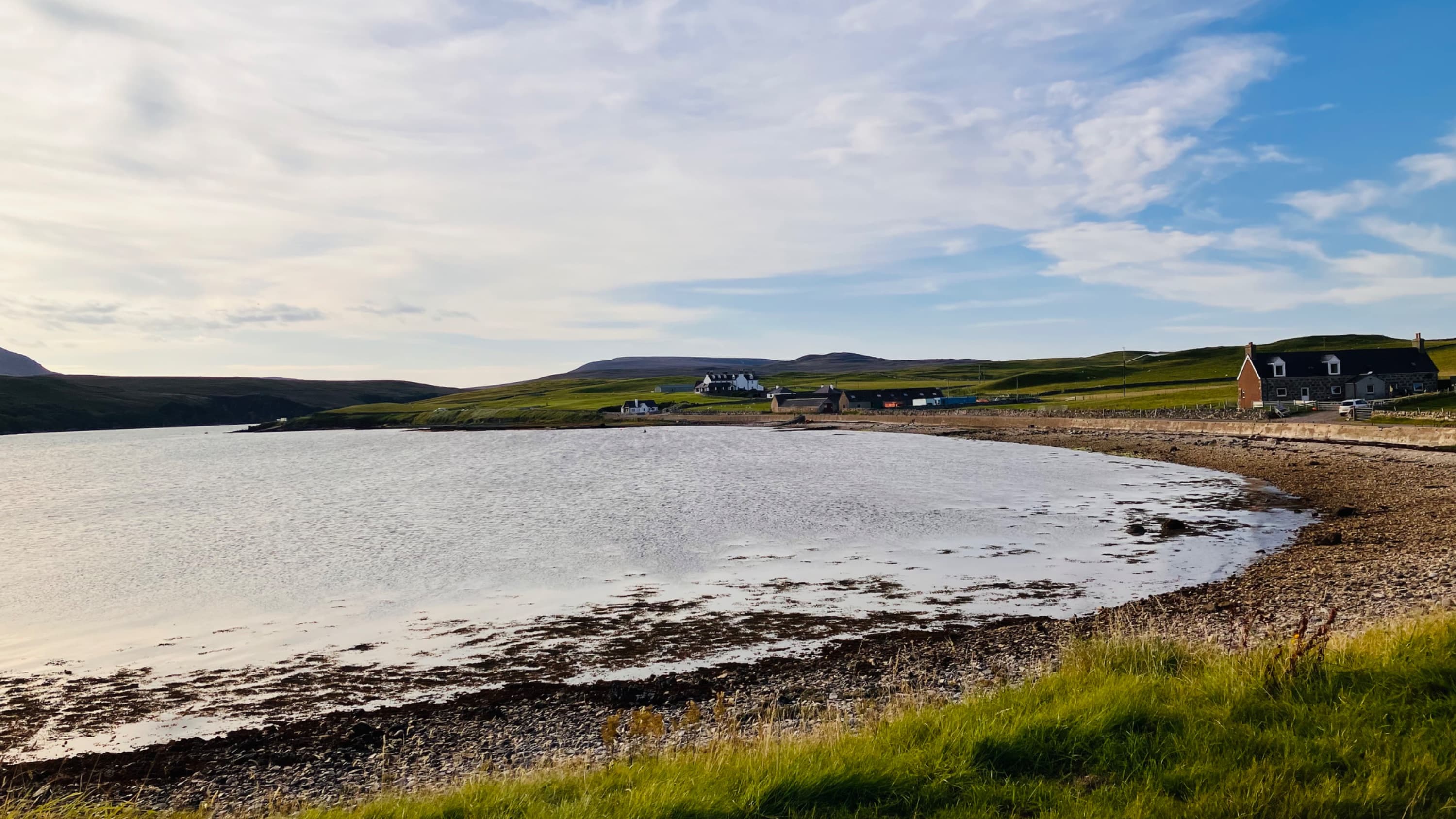
Keoldale Pier Beach
Access is down the old Pier itself. The pieces get bigger the further away you get from the old pier & towards the ‘hook’ of the bay AKA towards the modern ferry car park but on the beach
Rare coloursLoads of glass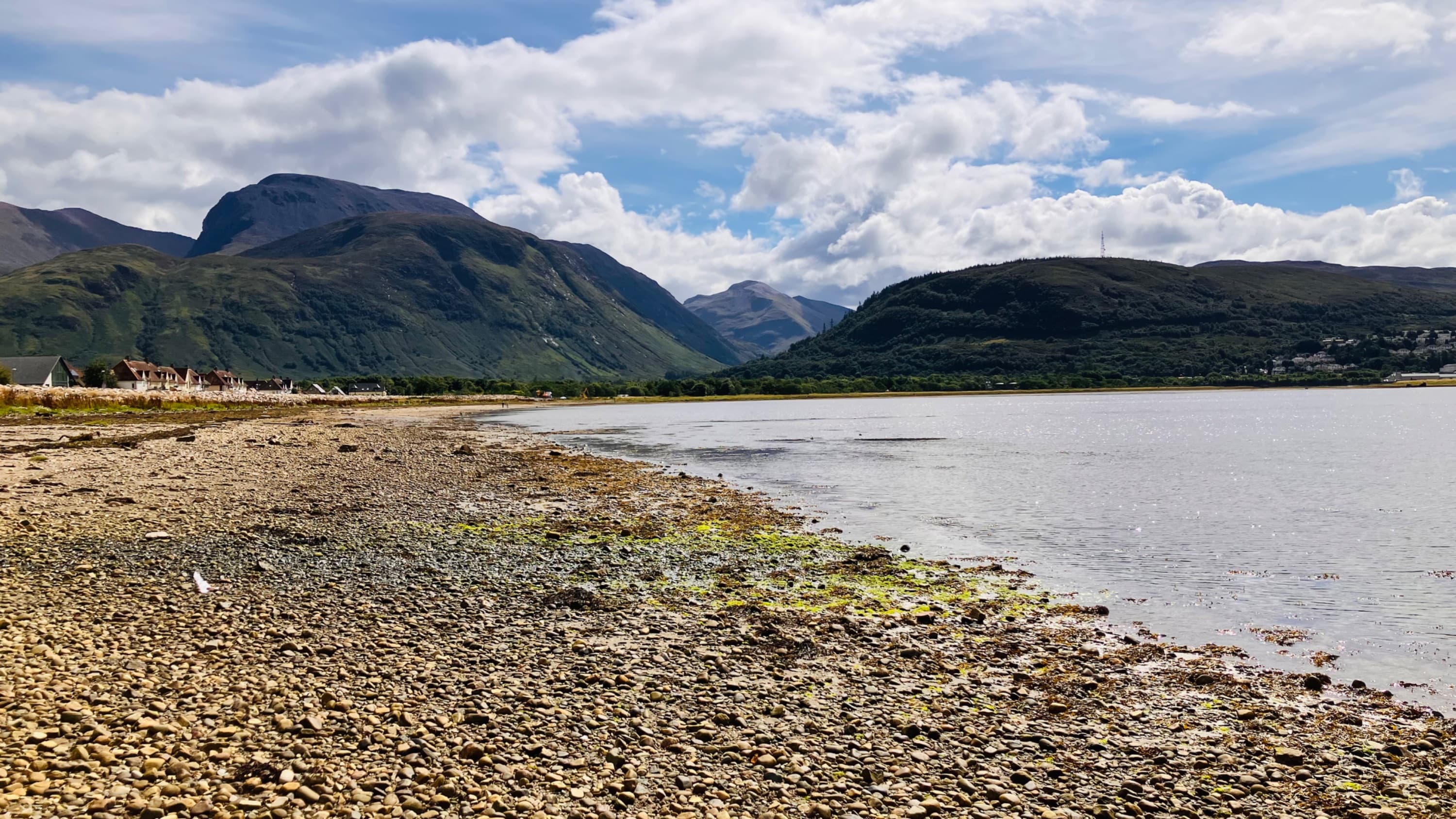
Caol Beach
Rare coloursA good amountUllapool Sea Front
Some sea glass but loads of sea pottery, including ‘blue willow’ stoneware. Much of the glass is patterned. Best finds seem to be between the high and mid tide lines, on the stretch going south of the ferry terminal up to the point. Give your eyes time to adjust and don’t be afraid to sit and dig around. Be warned the slope here is steep.
Common coloursA few piecesOld pier
Small, smooth and perfectly frosted is what you’ll find here. Look just before high tide line.
Rare coloursGolspie Beach
The fragments are plentiful but TINY. Great for jewellery, but that’s it.
Common coloursA few piecesKinlochbervie old pier
Common coloursA few pieces
County Durham
Seaham beach
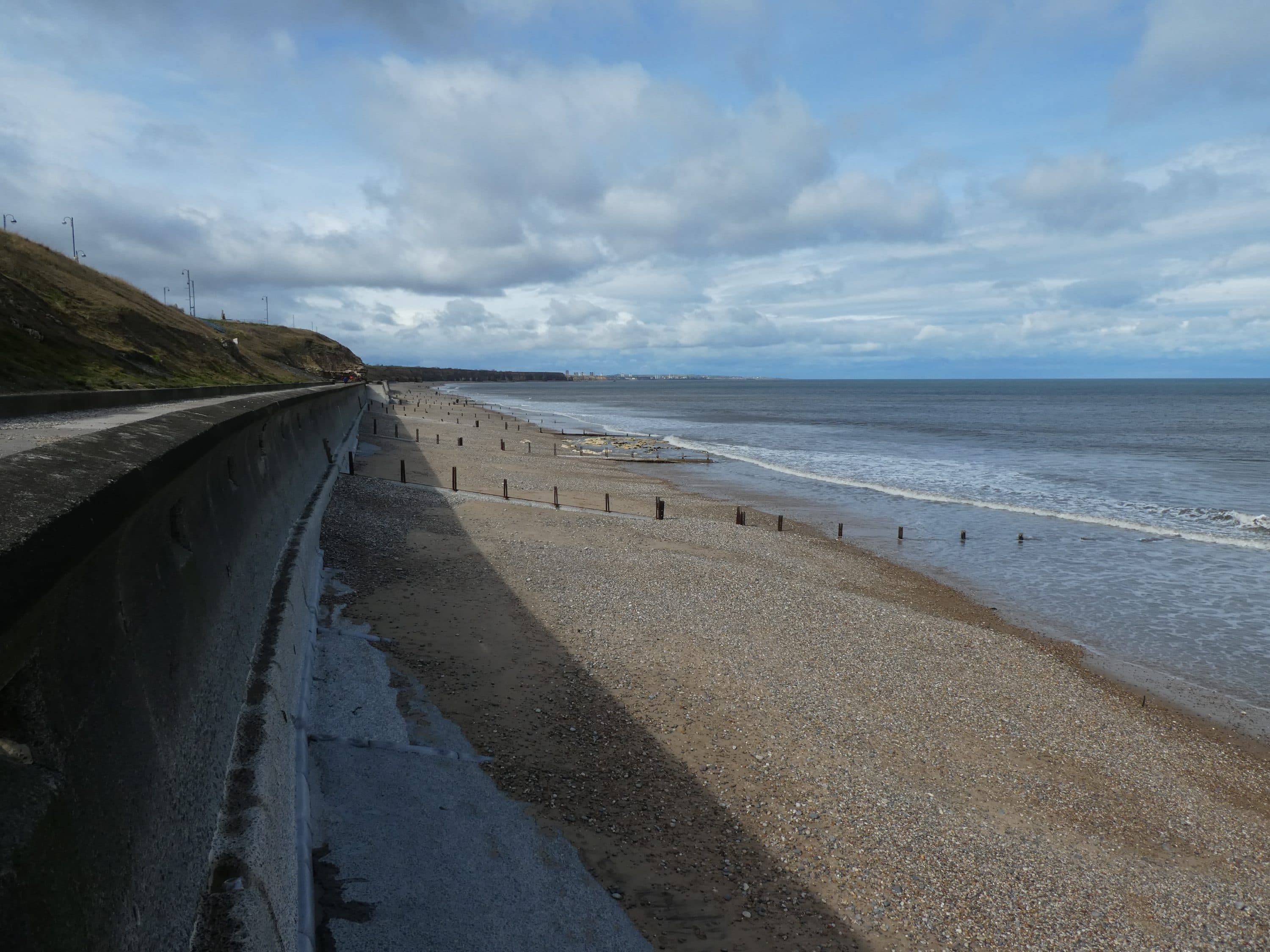
An excellent beach for seaglass nuggets. Lots of perfectly rounded pieces in dozens of shades of green. A lot of pure white beads. Due to glassworks further up the coast there are a lot of rare and unusual colours as well.
Grail findLoads of glass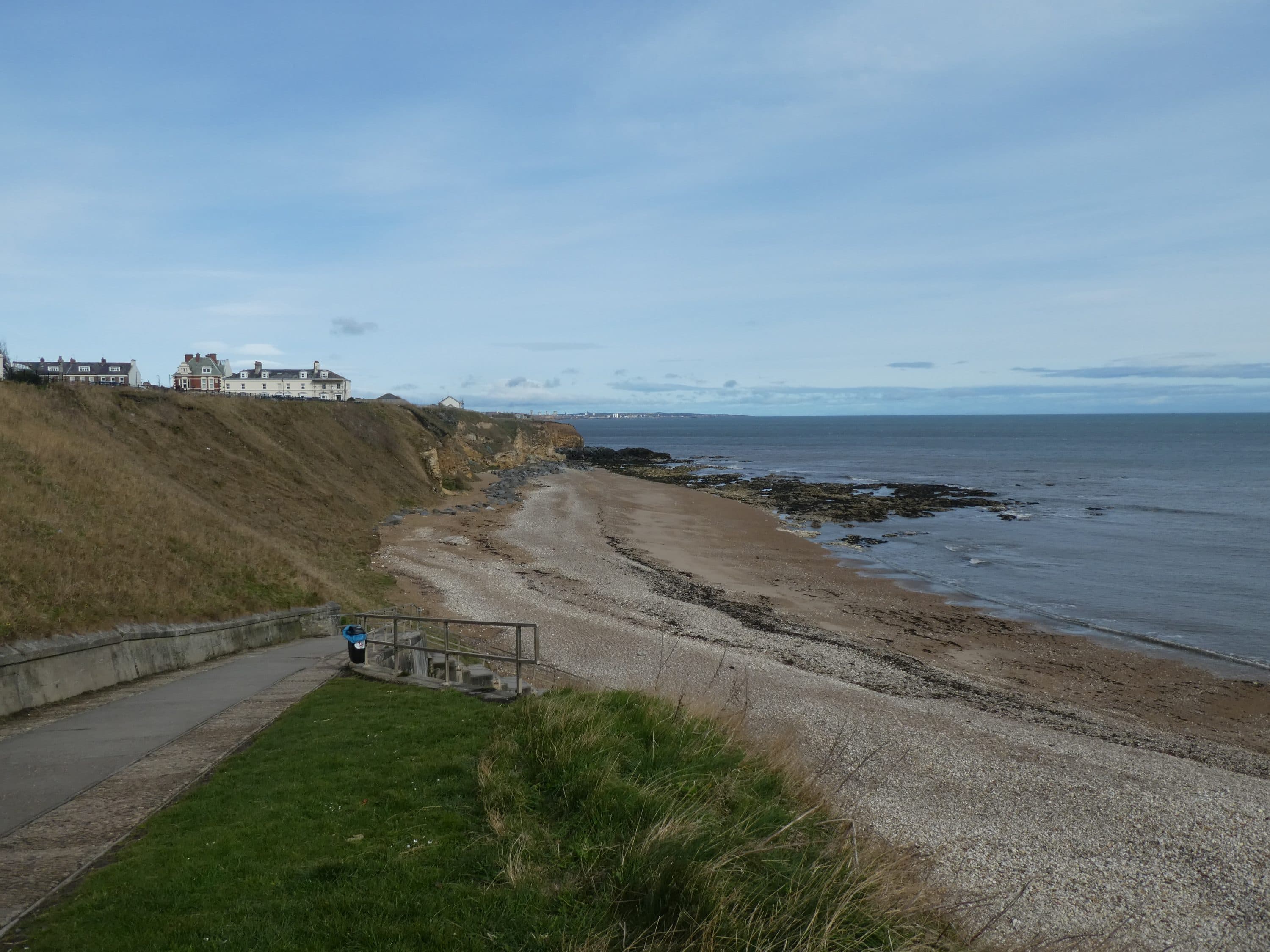
Seaham's Redacre beach
Lots of colours all along the beach and very good at the high-tide lines when the tide recedes
Grail findLoads of glass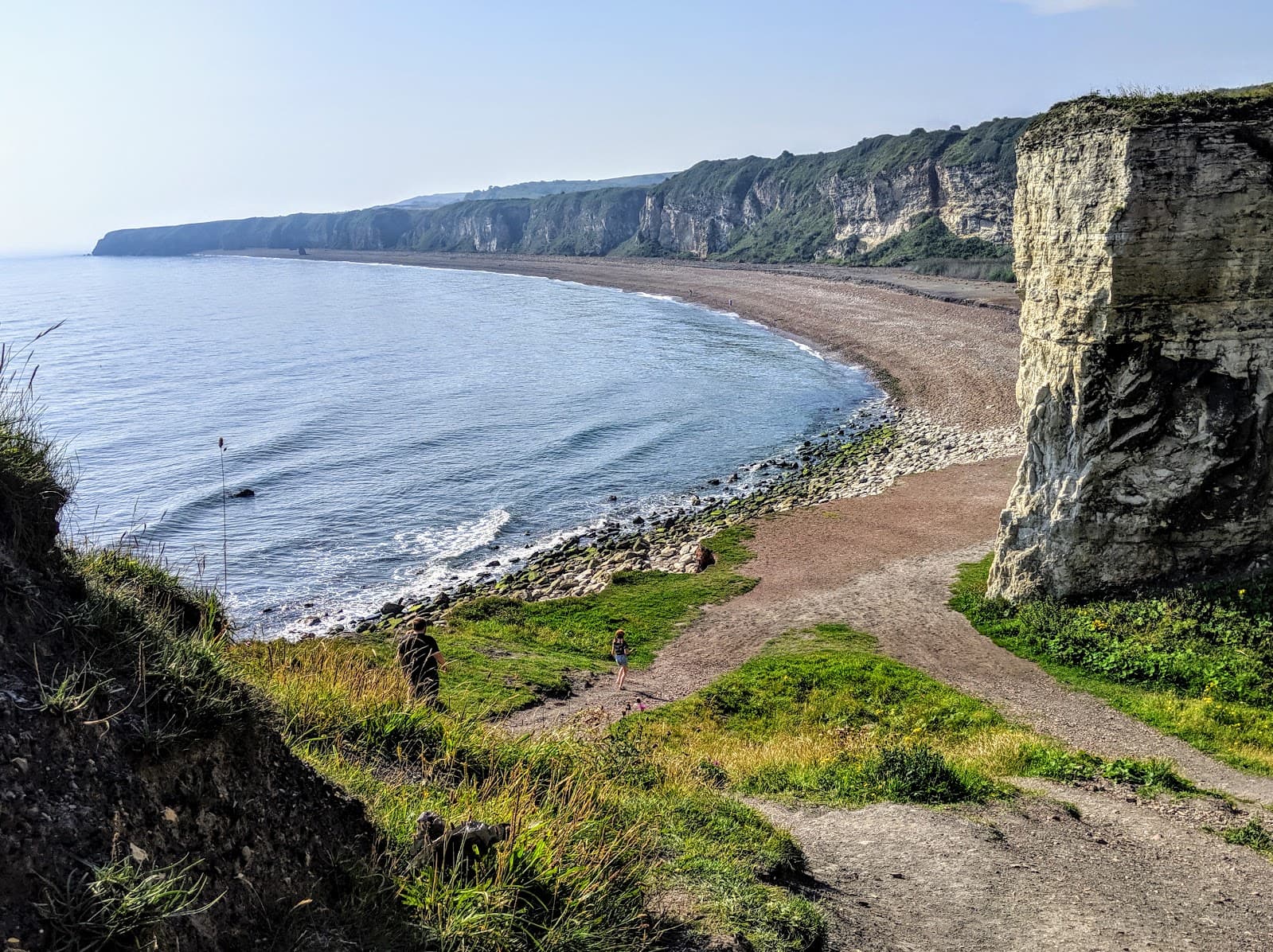
Seaham Beach
The world's best-known sea glass beach. The Victorian Londonderry bottle works tipped its daily offcuts into the North Sea until 1921, and the swirled multi-coloured "end of day" pieces, made from the day's leftover batches, are unique to Seaham and getting rarer. Park at the end of North Road and take the steps down; they are steep and slippery when wet. Two harder siblings sit SOUTH of the harbour if you want them: Chemical Beach and Blast Beach (Nose's Point). They are different beaches, not other names for this one.
Grail findLoads of glass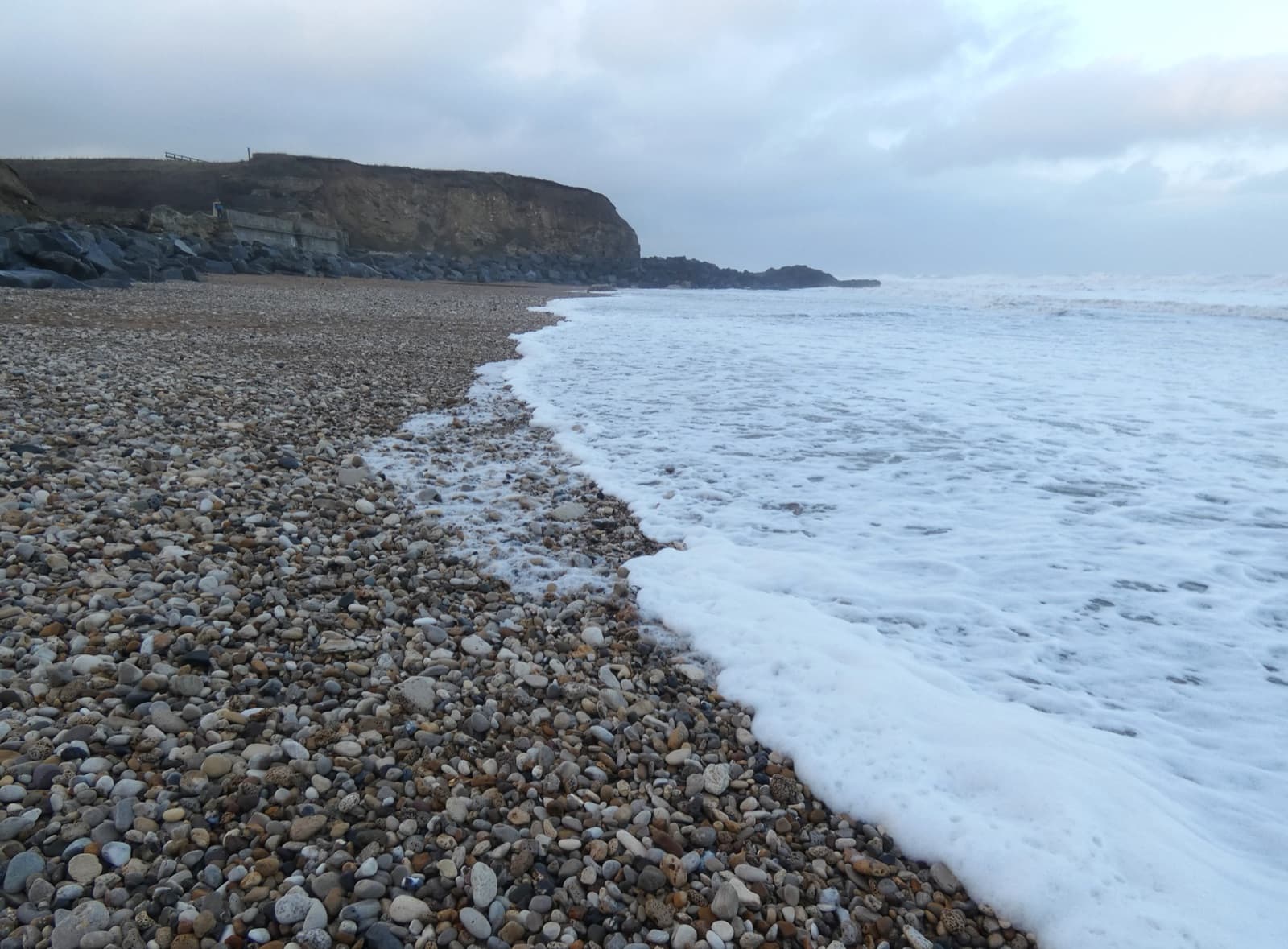
Seaham Hall Beach
The legendary one. The Londonderry bottleworks tipped glass waste into the North Sea here from 1850 to 1921, and the waves still return it as frosted gems. Multis and even reds turn up if you come at low tide after a rough sea. Photo by Neil Theasby.
Grail findLoads of glass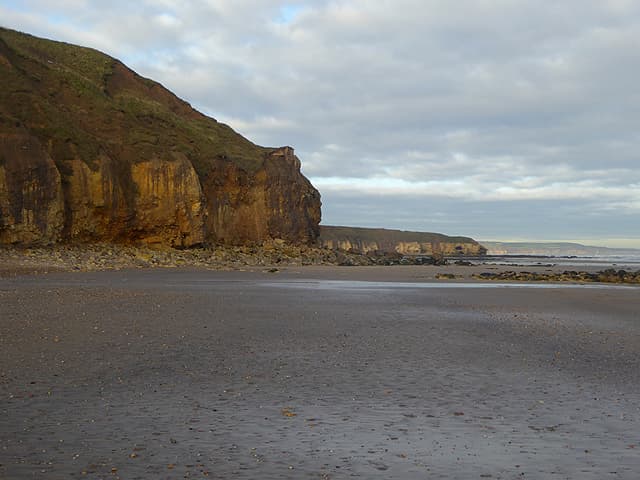
Crimdon Dene Beach
A long dune-backed sand beach next to a nature reserve, busy with horse riders. The holiday park next door has parking and puts you straight onto the sand. Nobody has written up the glass here yet.
Blast Beach, Dawdon
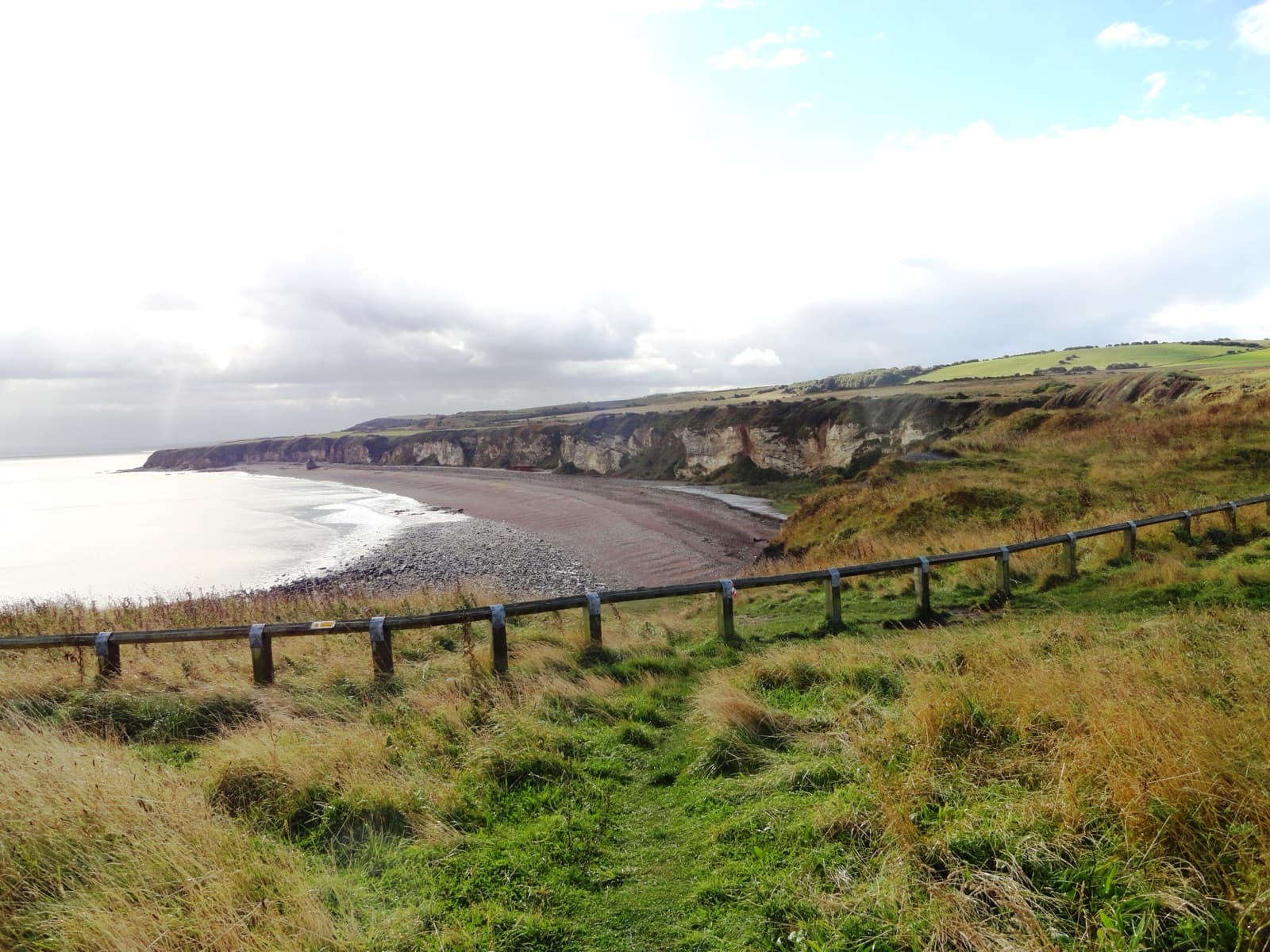
Seaham's wilder neighbour, just south of the harbour. Fewer hunters than the Hall beach and the glass keeps coming. The walk down takes a little effort but the quiet is worth it.
Common coloursA good amountEasington Colliery Beach
The quieter stretch of the Seaham coast, below the old Easington pit head. Regulars find thick, well tumbled pieces in white, seafoam and green every time they look down, and the walk keeps the crowds away: half a kilometre along the clifftop path from the free colliery car park, then 82 steps down the cliff. At low tide you can walk north to Shippersea Bay, known among collectors for its striped multicoloured slag glass. Watch the tide on the way back, the far ends get cut off around high water, and stay clear of the cliff base.
Uncommon coloursA good amount
Fife
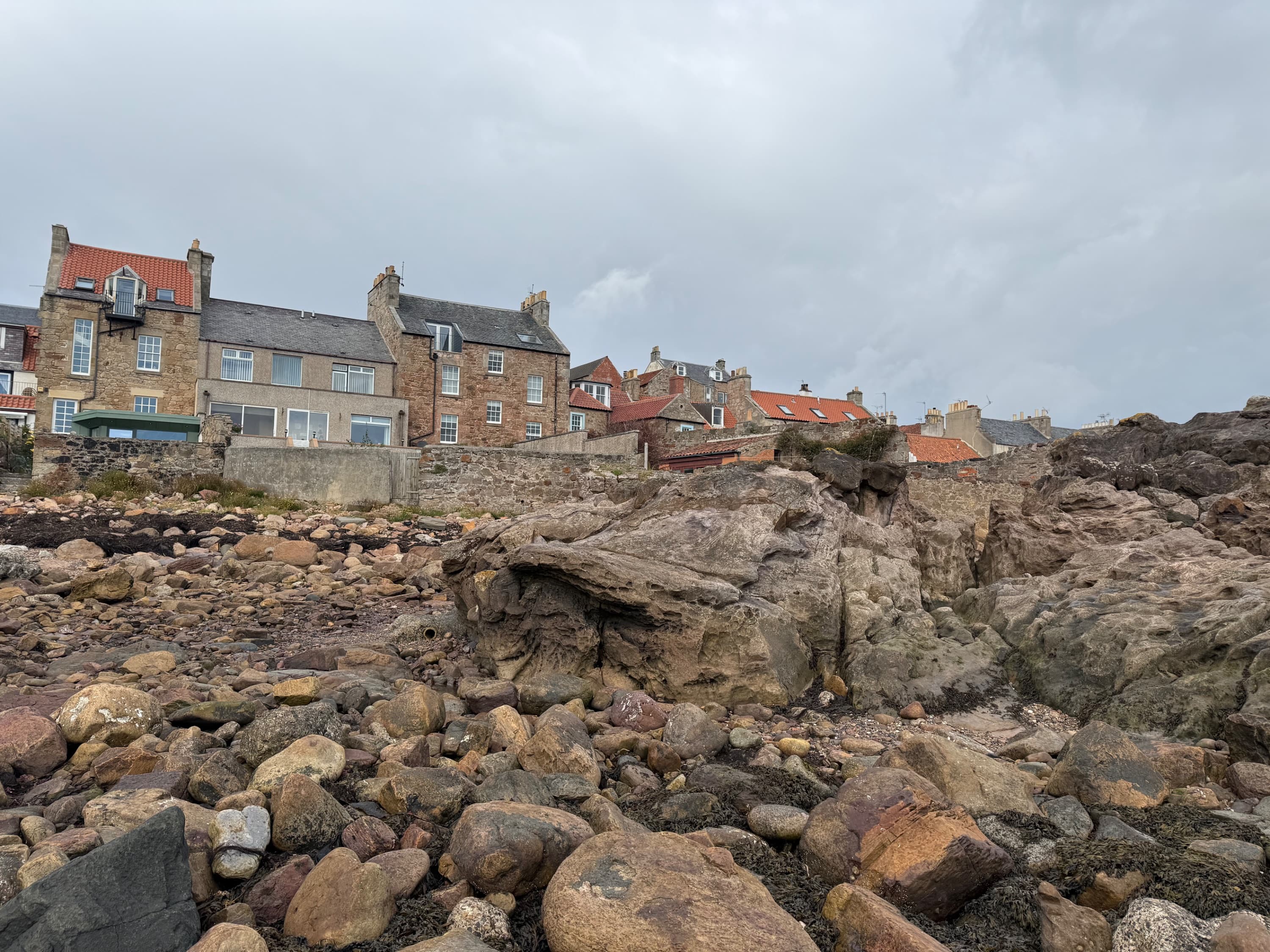
Anstruther - Cellardyke
Best at low tide
Rare coloursLoads of glass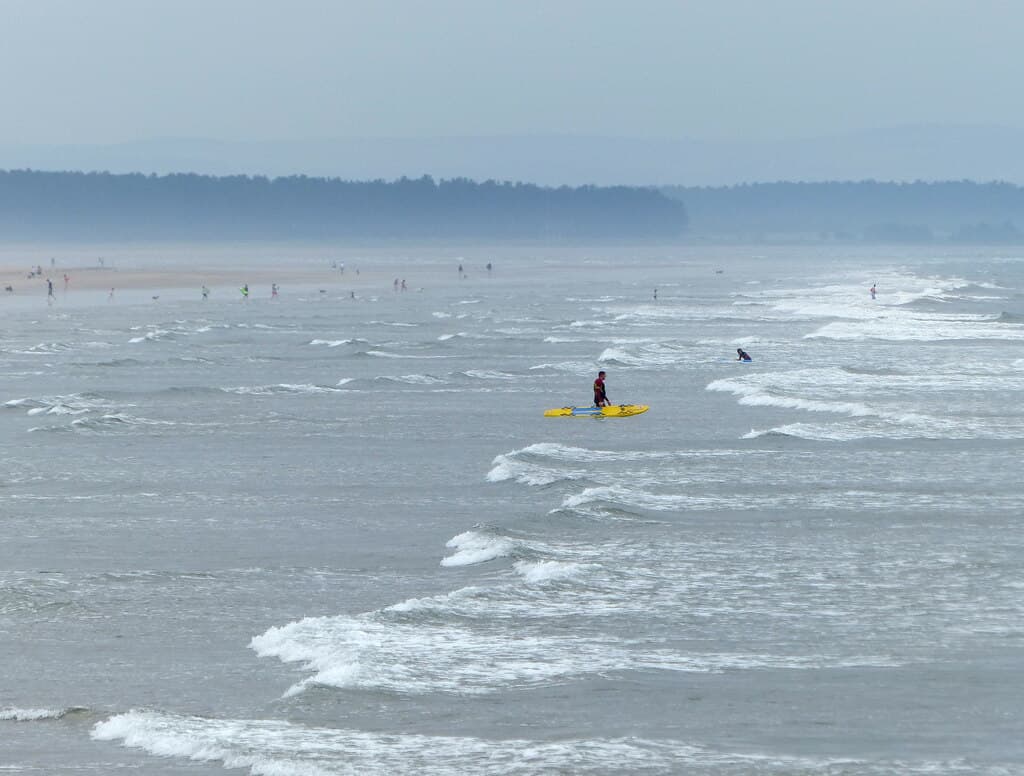
West Sands Beach
Two miles of sand at St Andrews, with the golf links behind it. The West Sands car park is right on the beach. Nobody has written up the glass here yet. For glass at St Andrews, collectors go to Castle Sands, the small cove under the castle, which is also on this map. Photo : Mat Fascione / CC BY-SA 2.0, via Wikimedia Commons. https://commons.wikimedia.org/wiki/File:Surf_at_West_Sands_Beach,_St_Andrews_-_geograph.org.uk_-_7442023.jpg
Common coloursA few pieces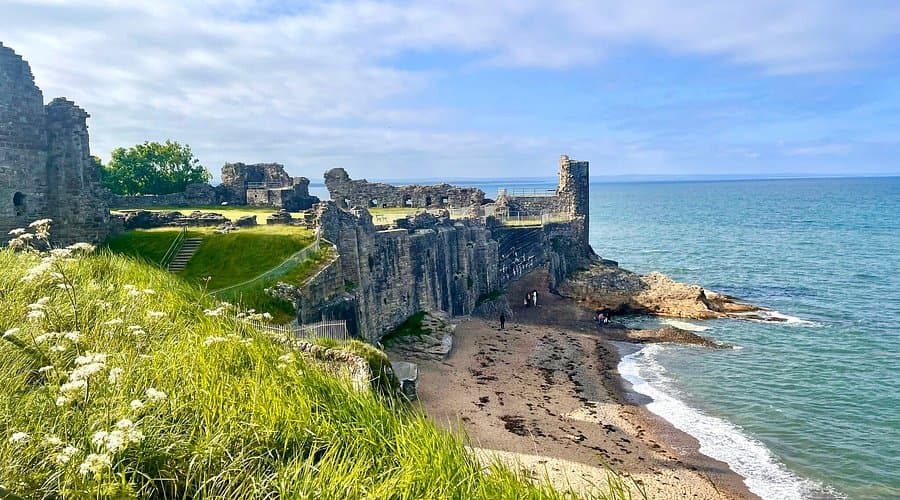
Castle Sands
The St Andrews beach collectors actually go to. A small cove below the castle, down a steep flight of steps from The Scores. A Scottish sea glass jeweller calls it "unbelievably rich in sea-glass", with a huge abundance of green and white, though she is honest that you are unlikely to find rare colours here. Go at MID tide and walk the waterline; low tide is reportedly pointless on this one. Covered at high water.
Common coloursLoads of glass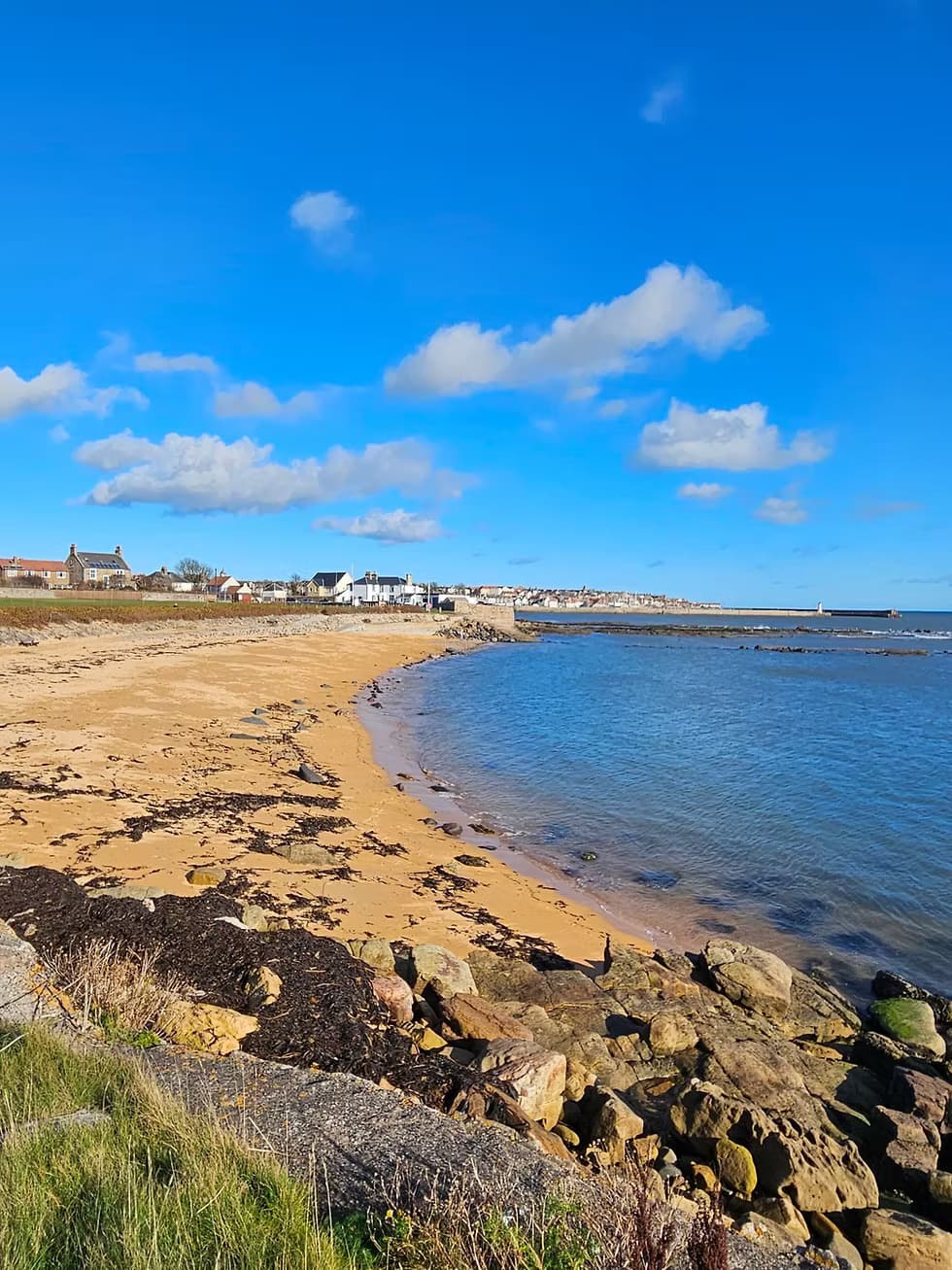
St Monans Beach
A fishing village on the East Neuk of Fife, its shore a mix of rock and sandy patches around the old harbour. Park in the village or by the harbour and walk in on signed paths. Nobody has written up the glass here yet, though an old working harbour is a reasonable bet.
A good amount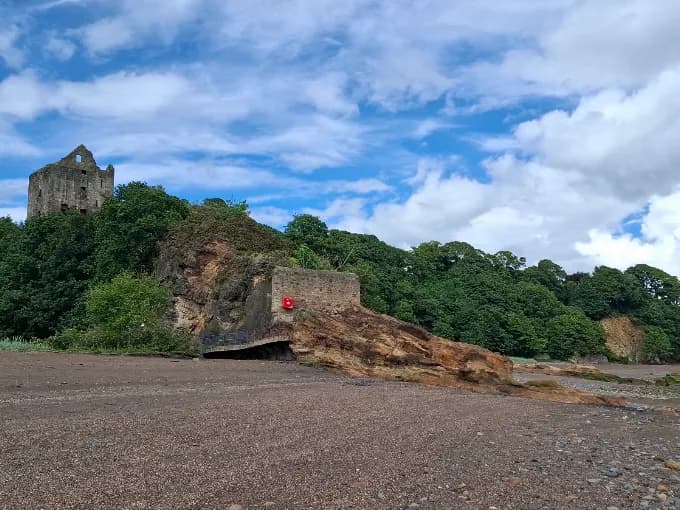
Pathhead Sands
Great all along the rocky bits beneath Ravenscraig Castle. Haven't been along the sand in the other direction.
Rare coloursA good amountSilver Sands
Watch out for the sticky sand that will try to suck down your shoes and you with them...
Common coloursA good amountBurntisland
Common coloursA good amount
Kent
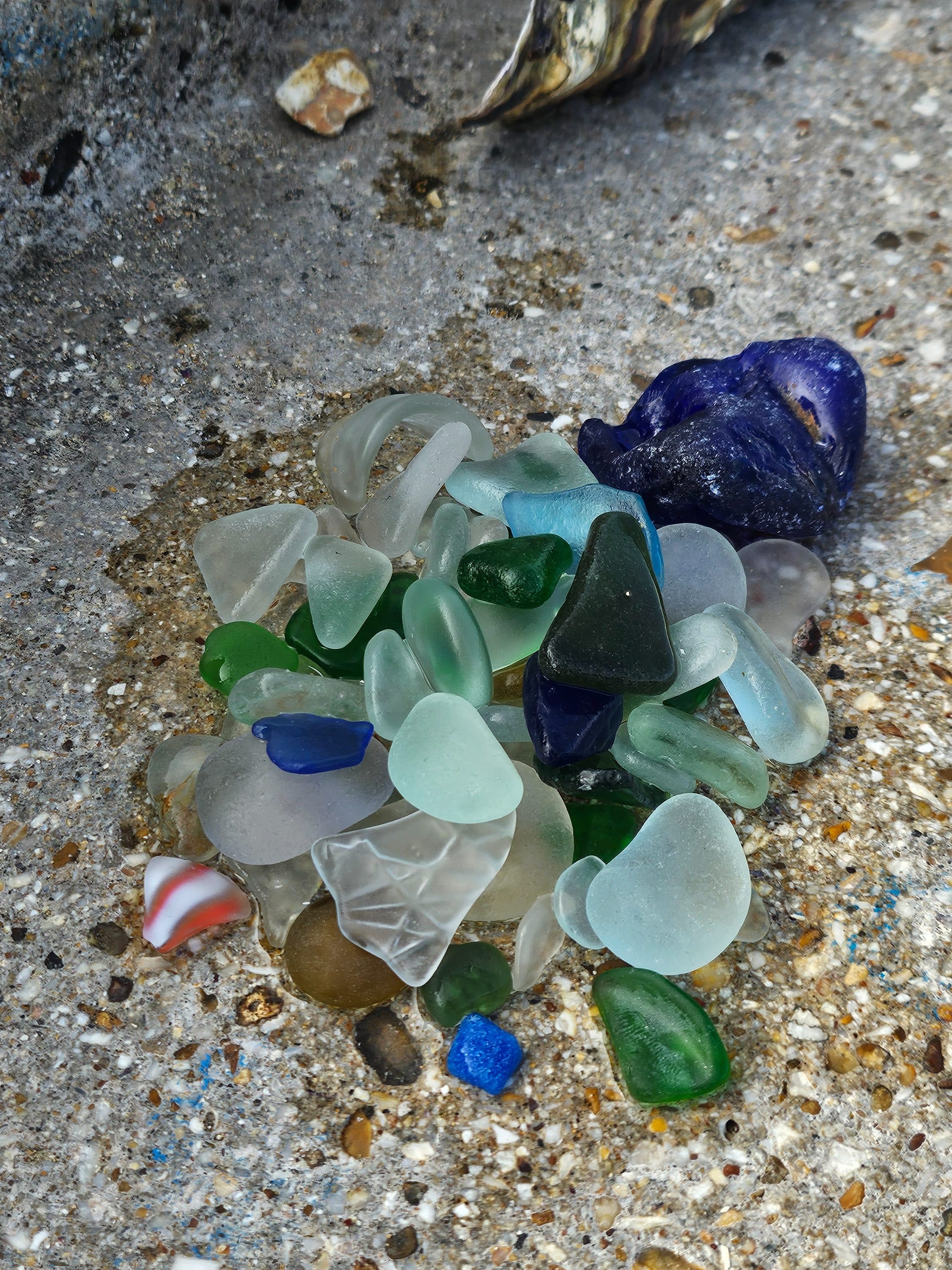
Sheerness beach
Grail find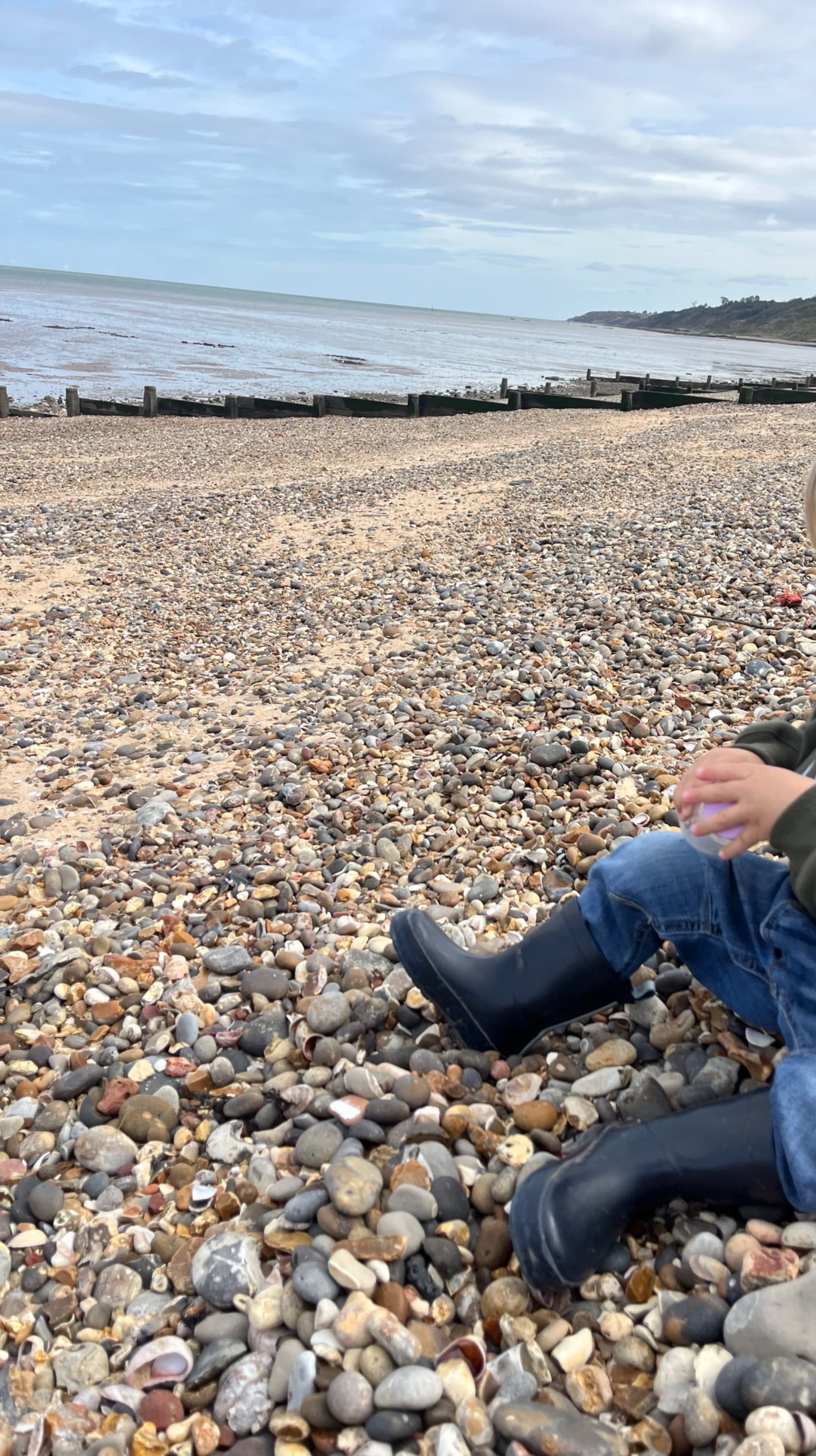
After the beach huts - Minster Leas
Keep going after the concrete jetty. It’s lovely, plenty of sea glass around. Best to dig into the stoney beach a bit. Mind the tides as if you walk too far you can get stuck. Definitely a spot I’d return to!
Grail findLoads of glass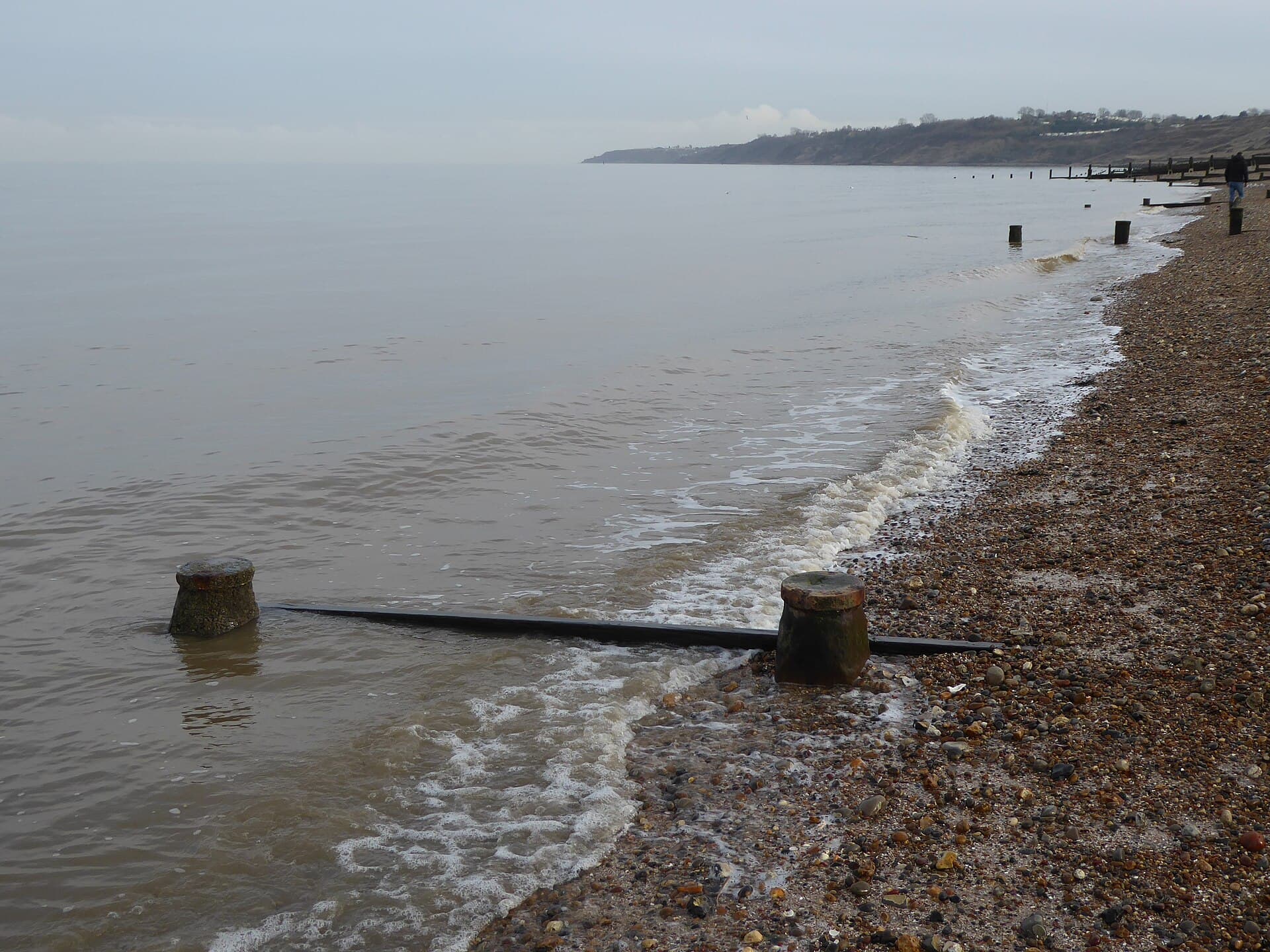
Minster Leas Beach
An Isle of Sheppey beach that turns from sand to shingle along its length, looking out over the Thames Estuary, with a row of beach huts behind. Free car park and on-street parking within a short walk.
Grail findLoads of glassThe Warren
Best at low tide
Grail findWarden Bay
A good amountsheerness
Uncommon coloursA good amount
East Lothian
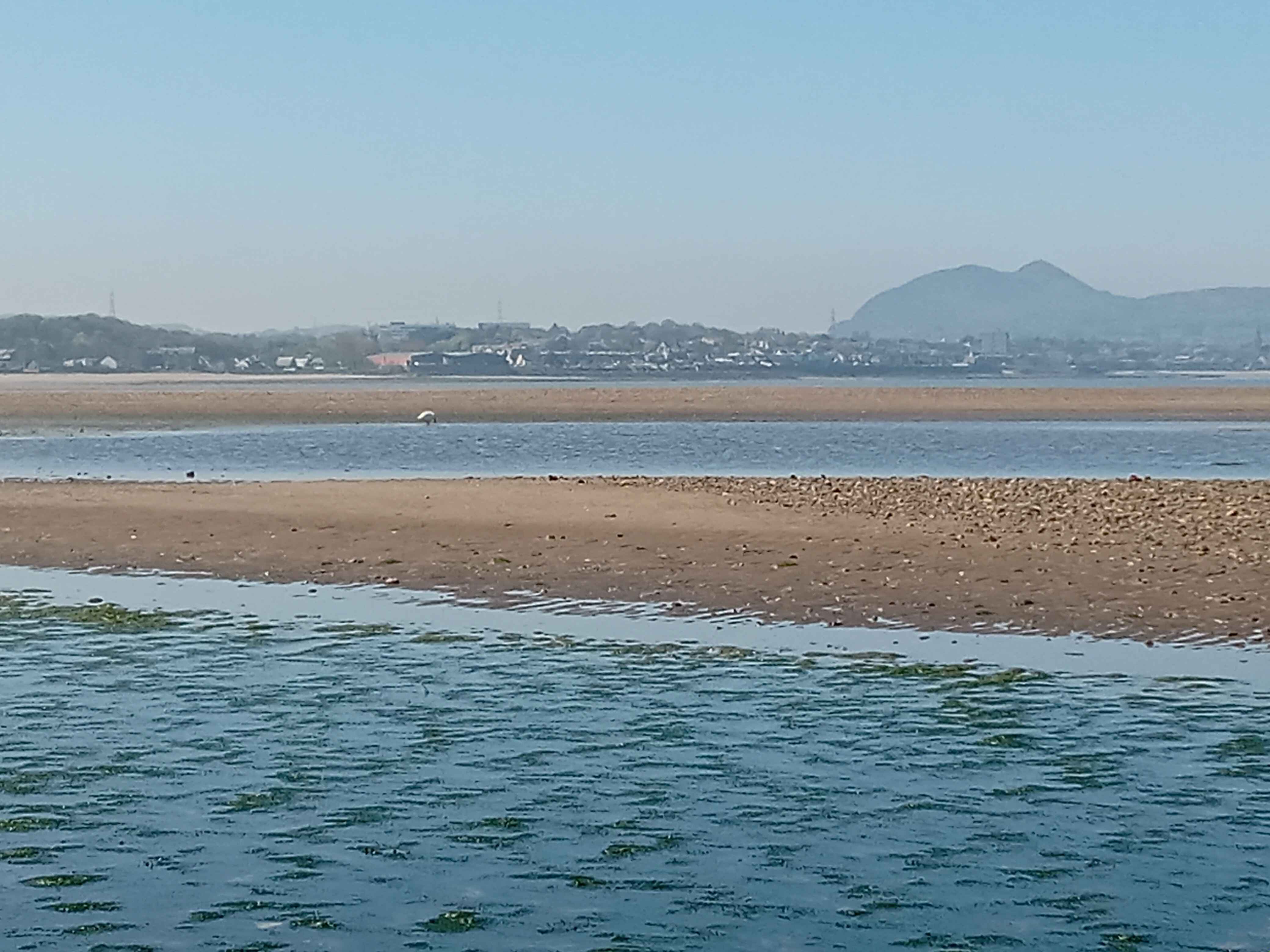
Musselburgh beach - East end
Fantastic beach for beachcombing especially right after high tide along by the mouth of the river Esk. Unexpected amounts of pirate glass and pieces in many other colours. Also a lot of pieces of china and pottery.
Grail findLoads of glass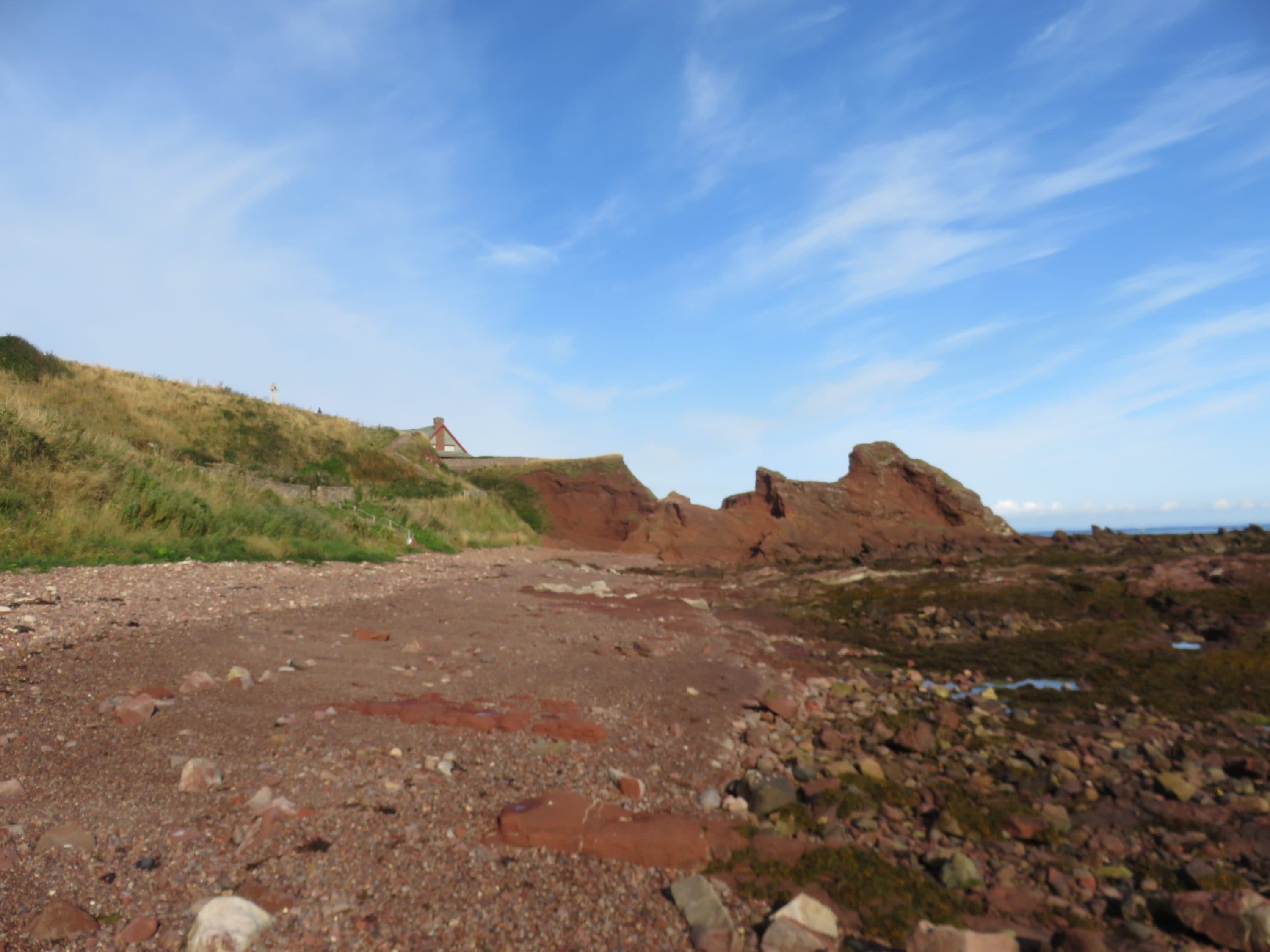
Beaches along Dunbar coastal trail
Some steps down to several of the beaches from the coastal path. The beaches are quite rocky until Belhaven. A lot of small pieces tucked in amongst the rocks.
Common coloursA few pieces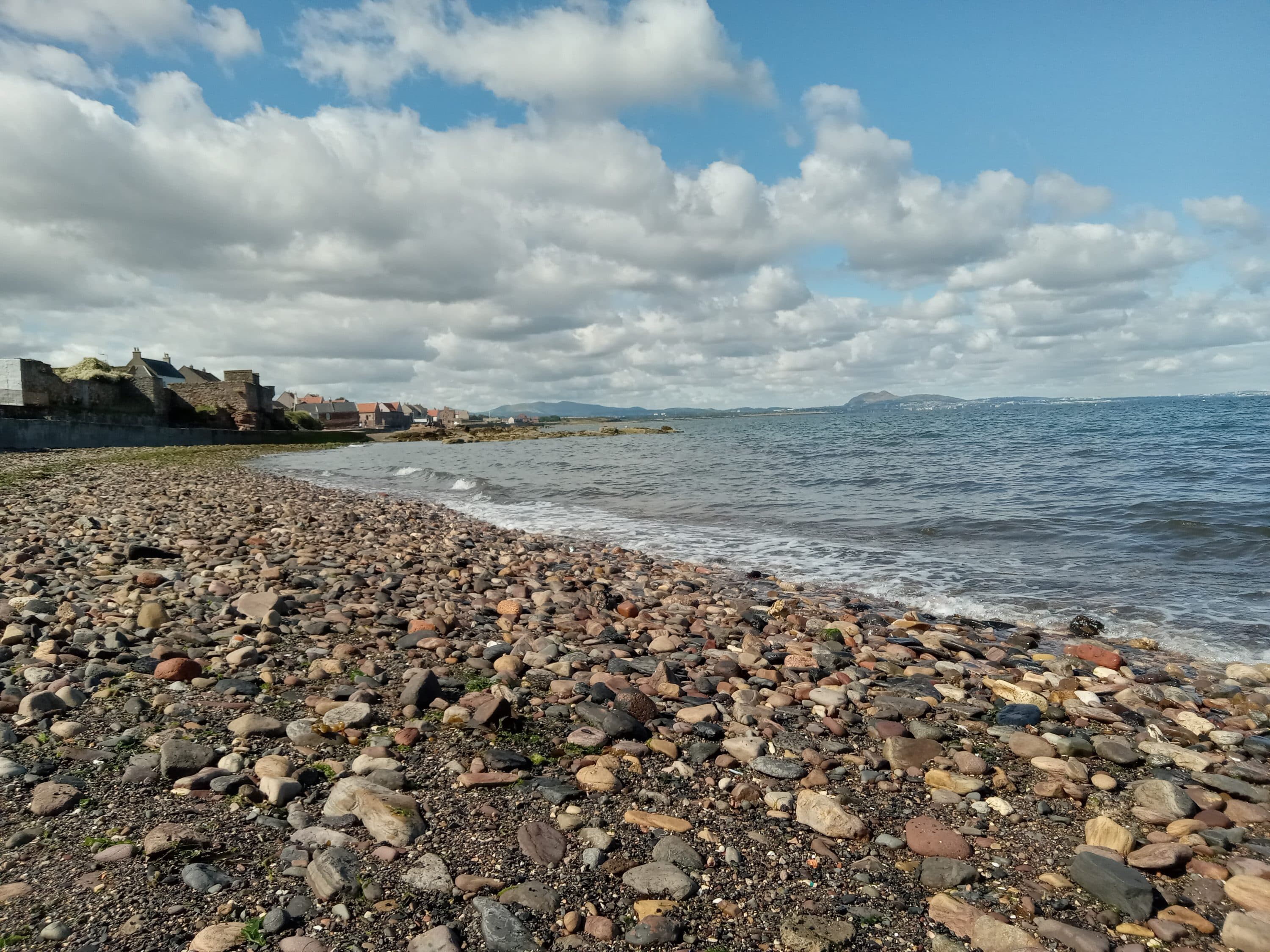
Prestonpans beach
Seaglass absolutely everywhere. The high tide line is especially good. Also all along the coastal path towards Musselburgh
Common coloursLoads of glass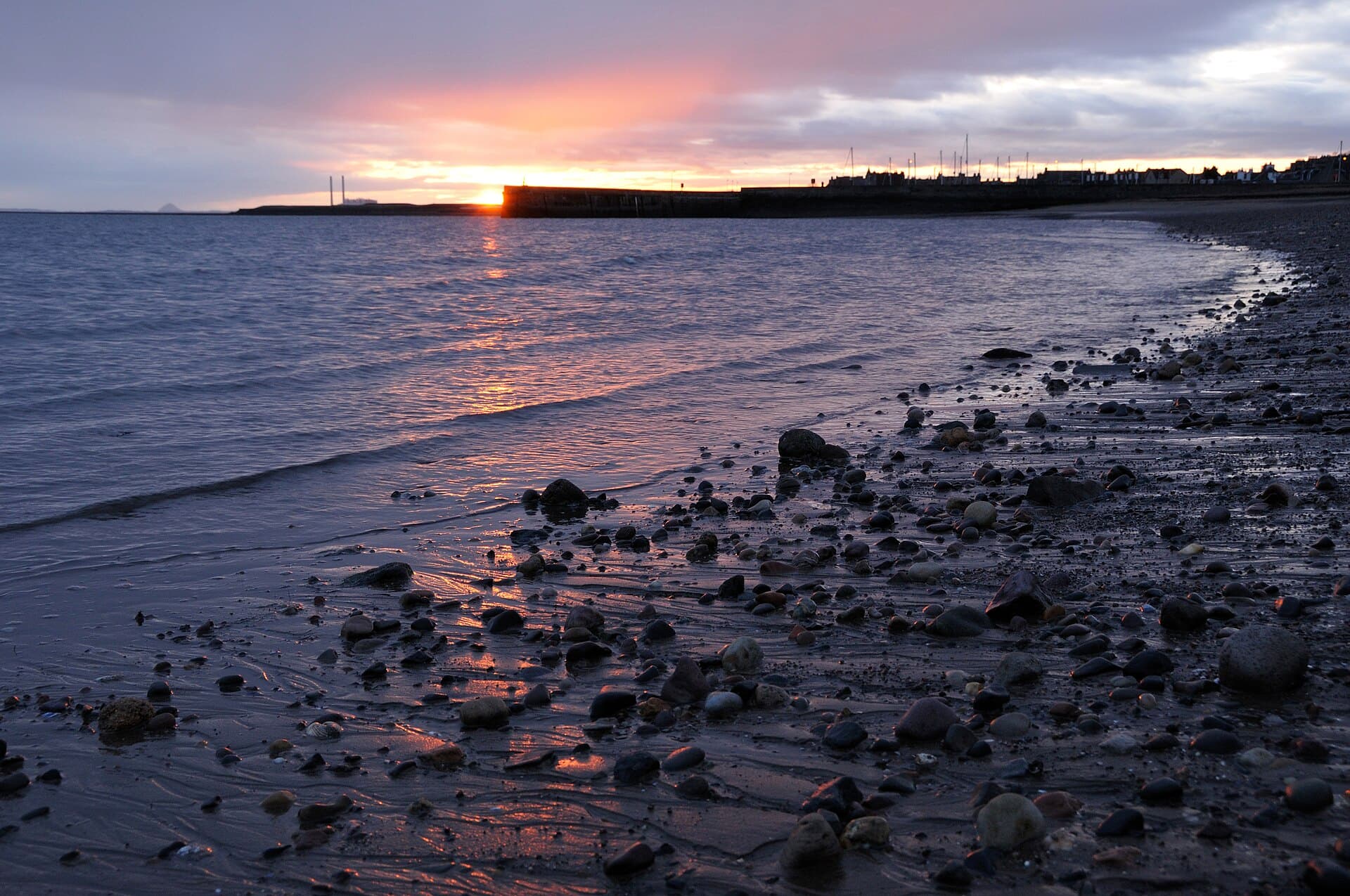
Musselburgh Beach (Fisherrow Sands)
Musselburgh Beach, also called Fisherrow Sands, is a sandy stretch on the Firth of Forth with a promenade for walking and cycling. Parking runs along the promenade and in nearby streets, so access is straightforward. No sea glass colour or abundance information is provided yet.
Rare coloursLoads of glass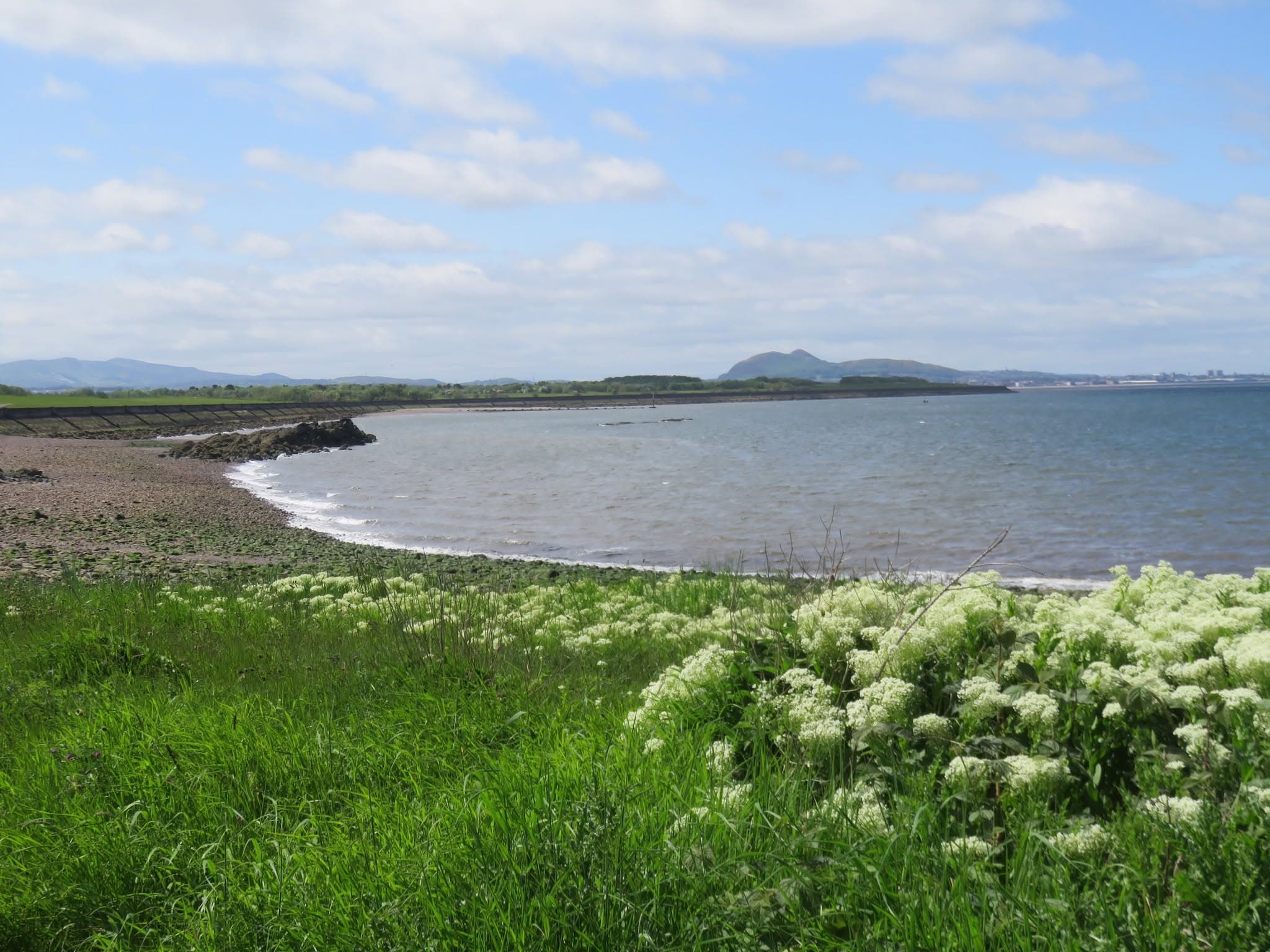
Morrison's Haven
Entryway directly opposite the Prestongrange mining museum. Used to be a glassworks in the area so lots of pieces at low tide
Grail findLoads of glass
Norfolk
East Runton Beach
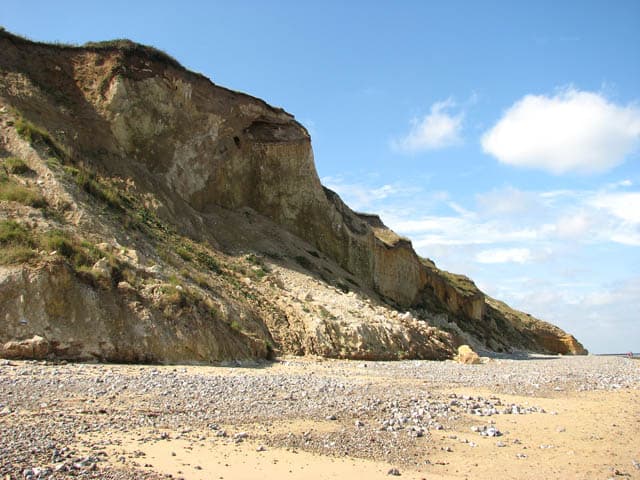
A mixed sand-and-pebble beach between Cromer and Sheringham, on a stretch of north Norfolk that people mostly come to for fossils. A car park sits close to the beach, with more in the village, and it stays fairly quiet. Nobody has written up the glass here yet.
A few pieces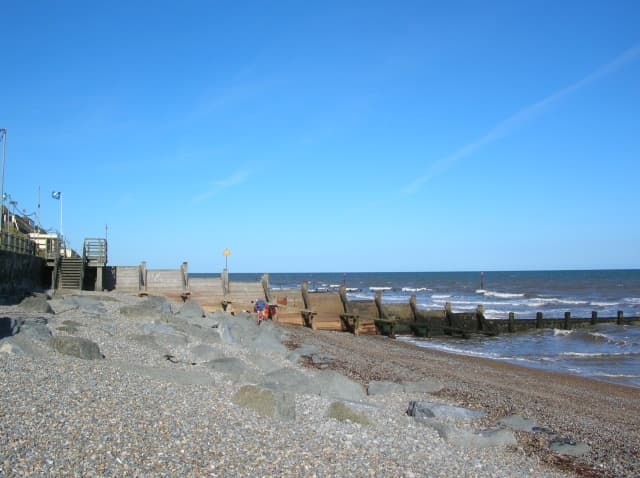
Sheringham Beach
A north Norfolk beach that is pebble at high tide and opens out into stretches of sand as the water drops, with rough cliffs behind. Car parks sit close by, the amenities are a short walk, and the town is the end of the North Norfolk steam railway.
Sea Palling Beach
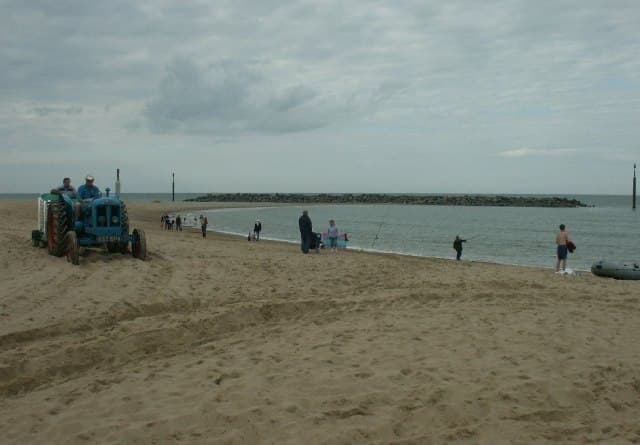
A Blue Flag beach in Norfolk: sand, dunes, and offshore reefs that keep the swimming calm. A pay-and-display car park sits close by. Nobody has written up the glass here yet.
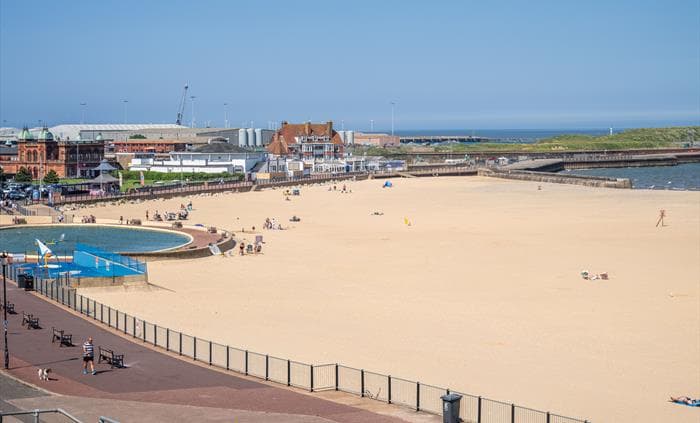
Gorleston Beach
A large beach where I found a few bits in the hour I was there . The beach is famous for the film Yesterday and also has a Banksy artwork there too!
Common coloursA few pieces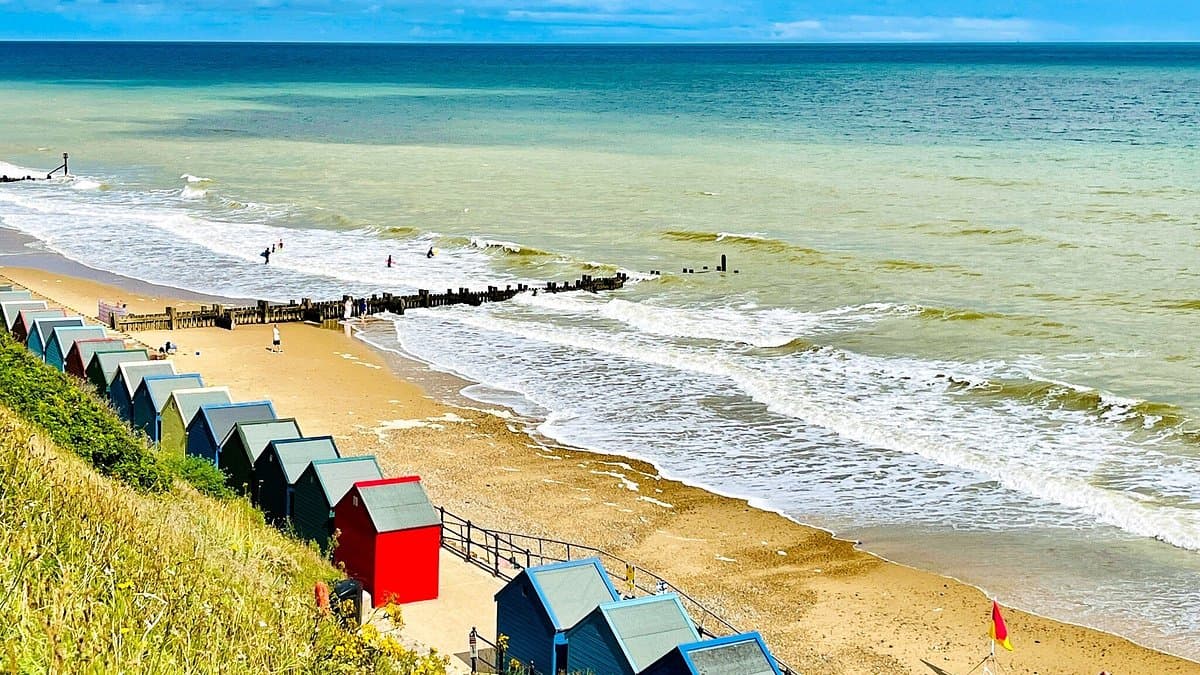
Mundesley Beach
Great beach , found lots of clear or white by the breakwaters .. easily find over a handful in a hour on this beach
Common colours
Northumberland
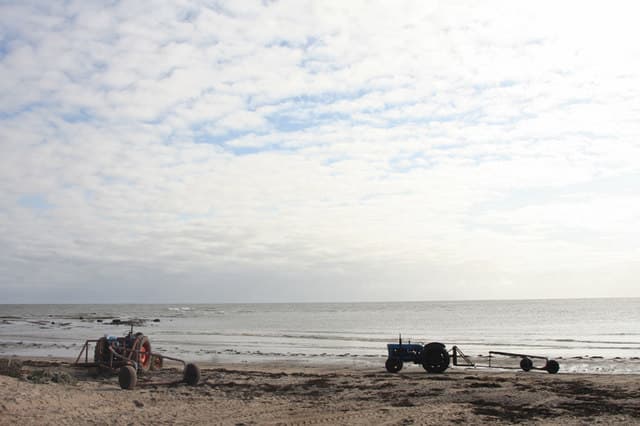
Boulmer Beach
Boulmer is a quiet Northumberland beach of mixed pebbles and rock with rock pools at low tide, still home to a working fishing community. Parking is limited near the front with more in the village, a short walk away, and it is described as not a typical sandy beach. No sea glass colours or abundance are recorded yet.
A good amount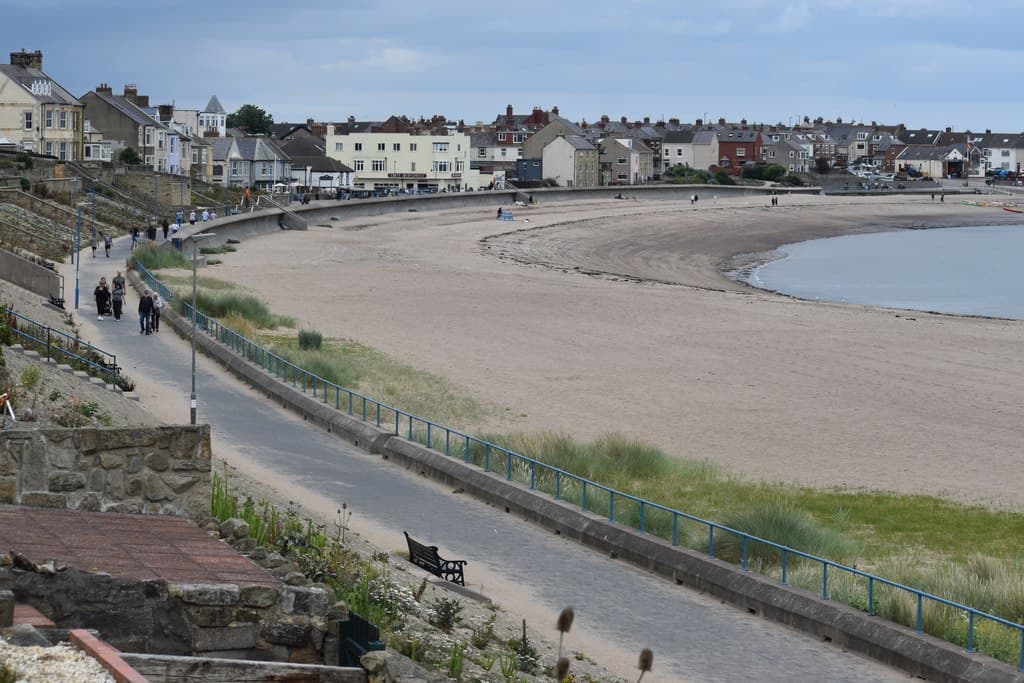
Newbiggin-by-the-Sea Beach
A mixed sand-and-shingle beach behind a promenade, with plenty of parking. Sean Henry's 'Couple' stands offshore, and the Maritime Centre covers the town's seafaring years. Nobody has written up the glass here yet. If you go, the shingle is where to start.
A good amount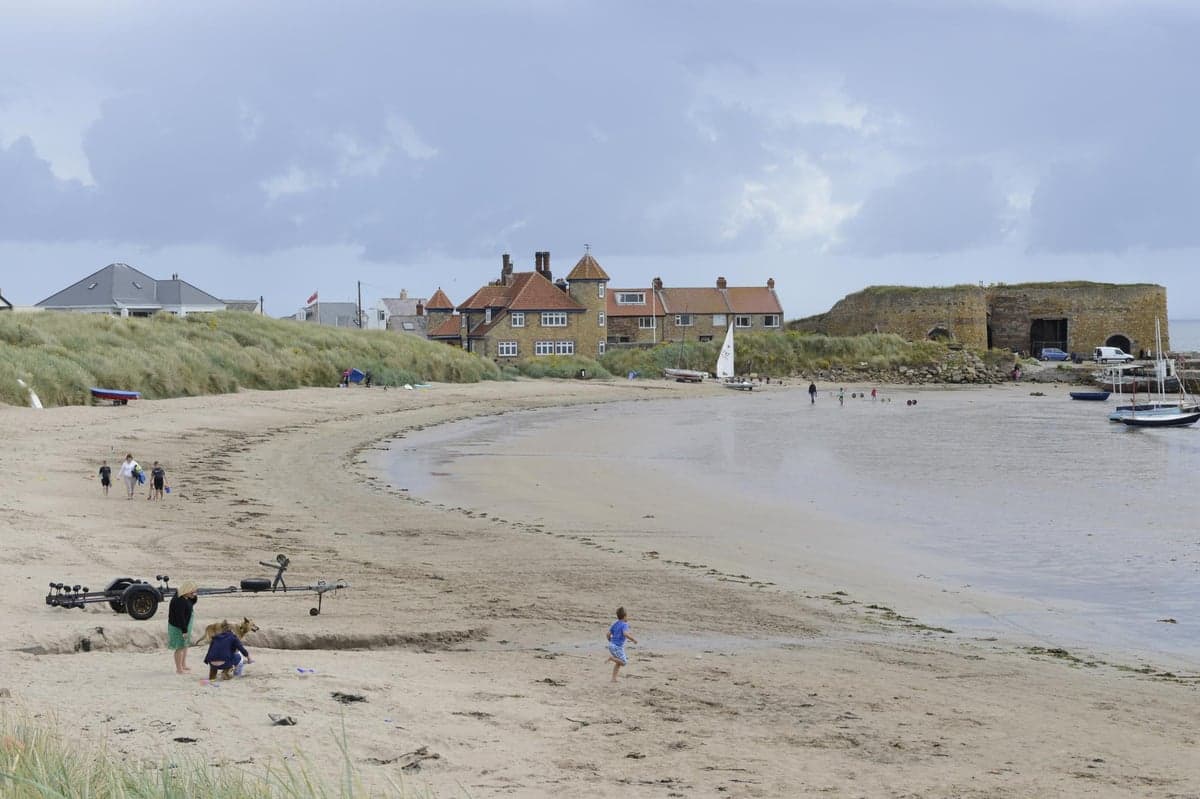
Beadnell Bay
One of the gates through the grass to the beach is directly across the road from the Camping & Caravanning Club site.
Common coloursA few pieces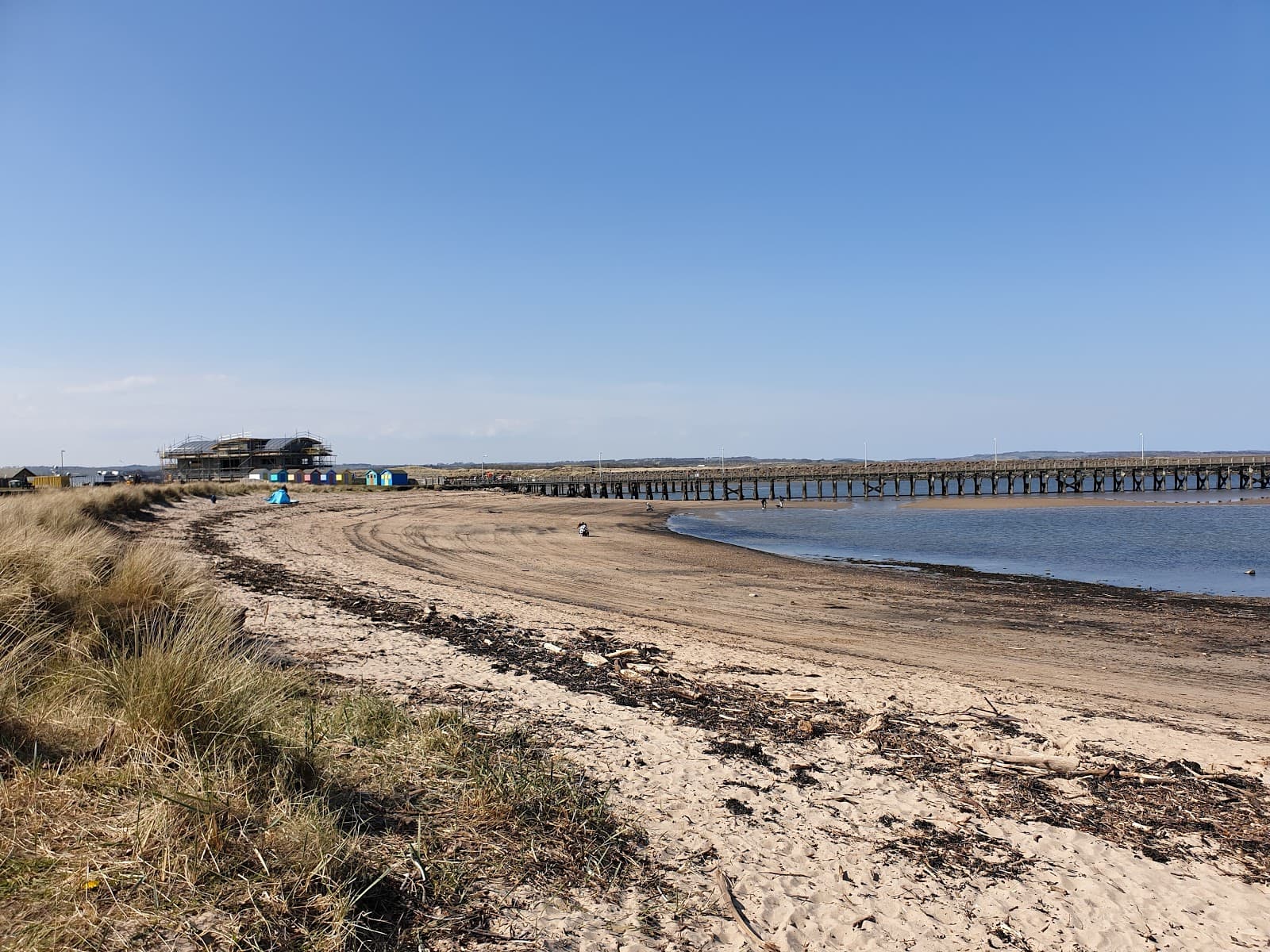
Amble beach
Common coloursA few pieces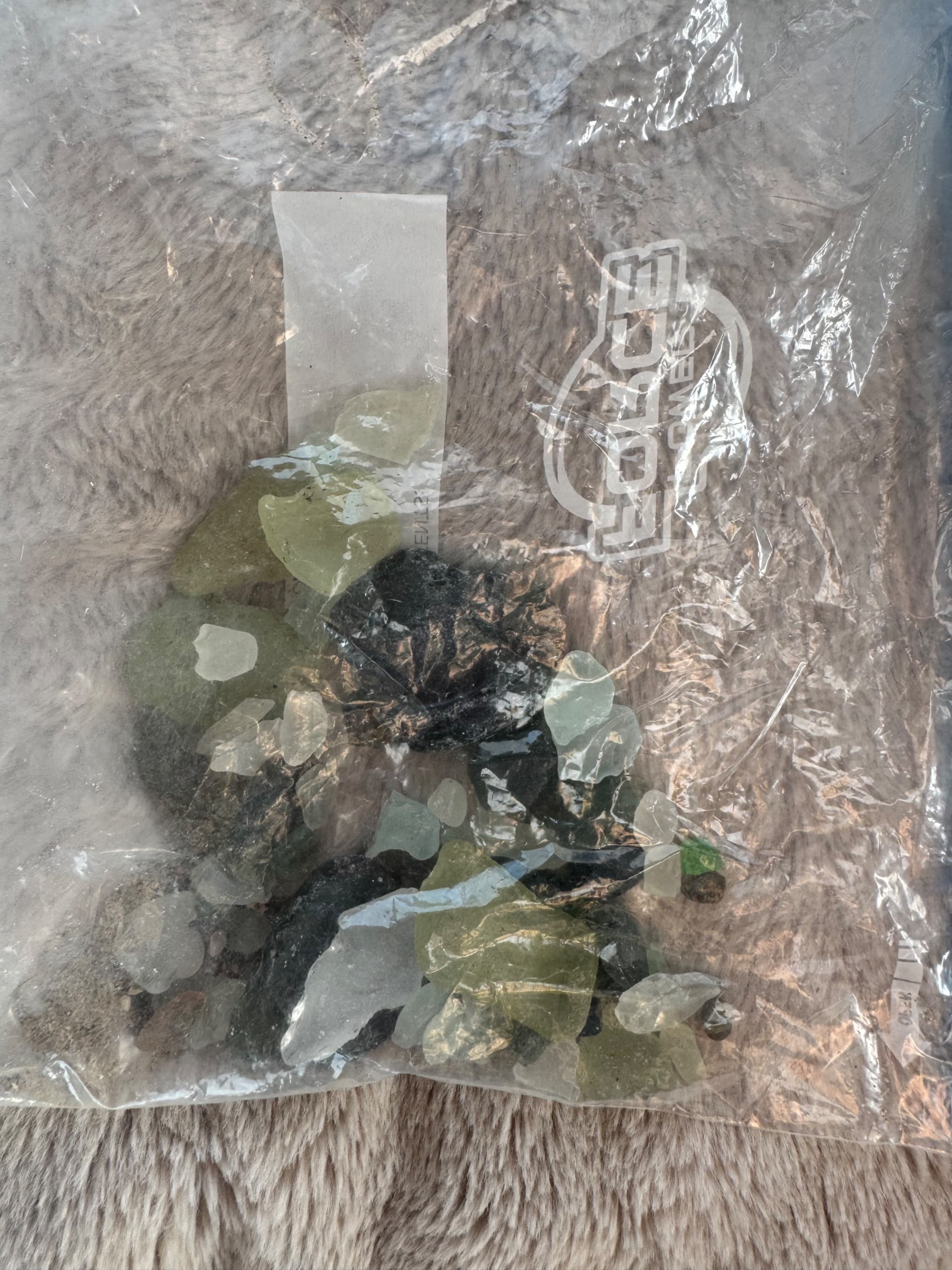
Beadnell
Common coloursA good amount
Aberdeen City
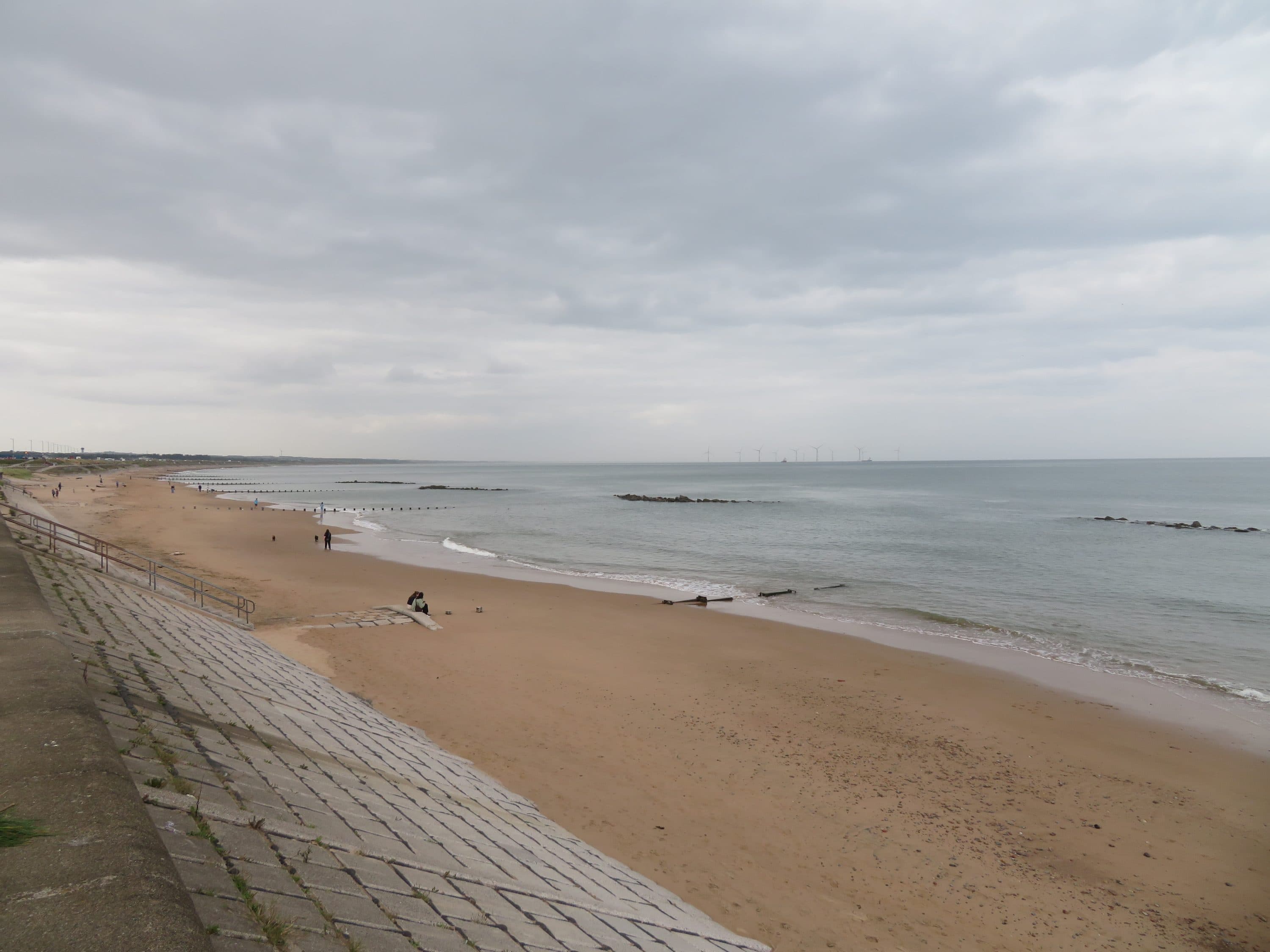
Aberdeen beach front
Excellent pickings at low tide with a long beach to explore from Footdee at the south.
Common coloursA few pieces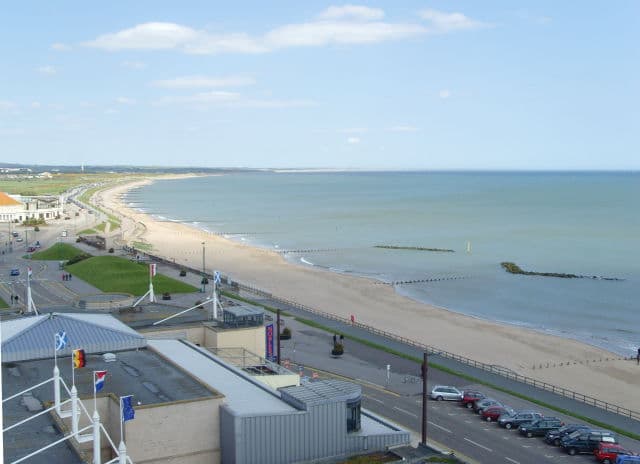
Aberdeen Beach
A long sand beach along the edge of the city centre, with a promenade, cafes and an amusement park behind it. Parking is the easy part: 900 free spaces at the Beach Boulevard retail park next door.
Loads of glass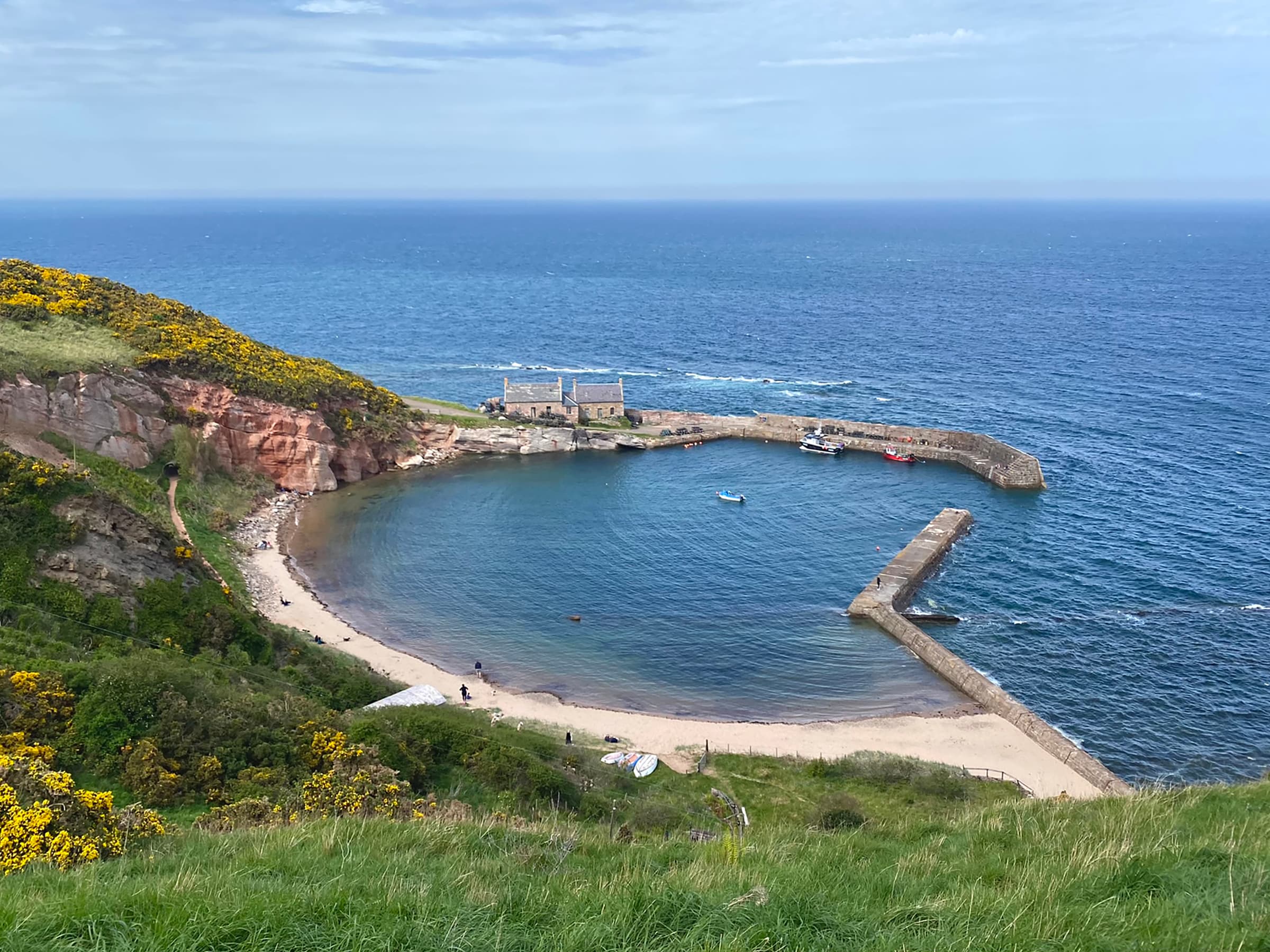
Cove Bay Harbour
This is a personal favourite spot, I have found large pieces of pirate glass here, and a variety of colours as well as ceramics - truly a hidden gem!
Rare coloursLoads of glass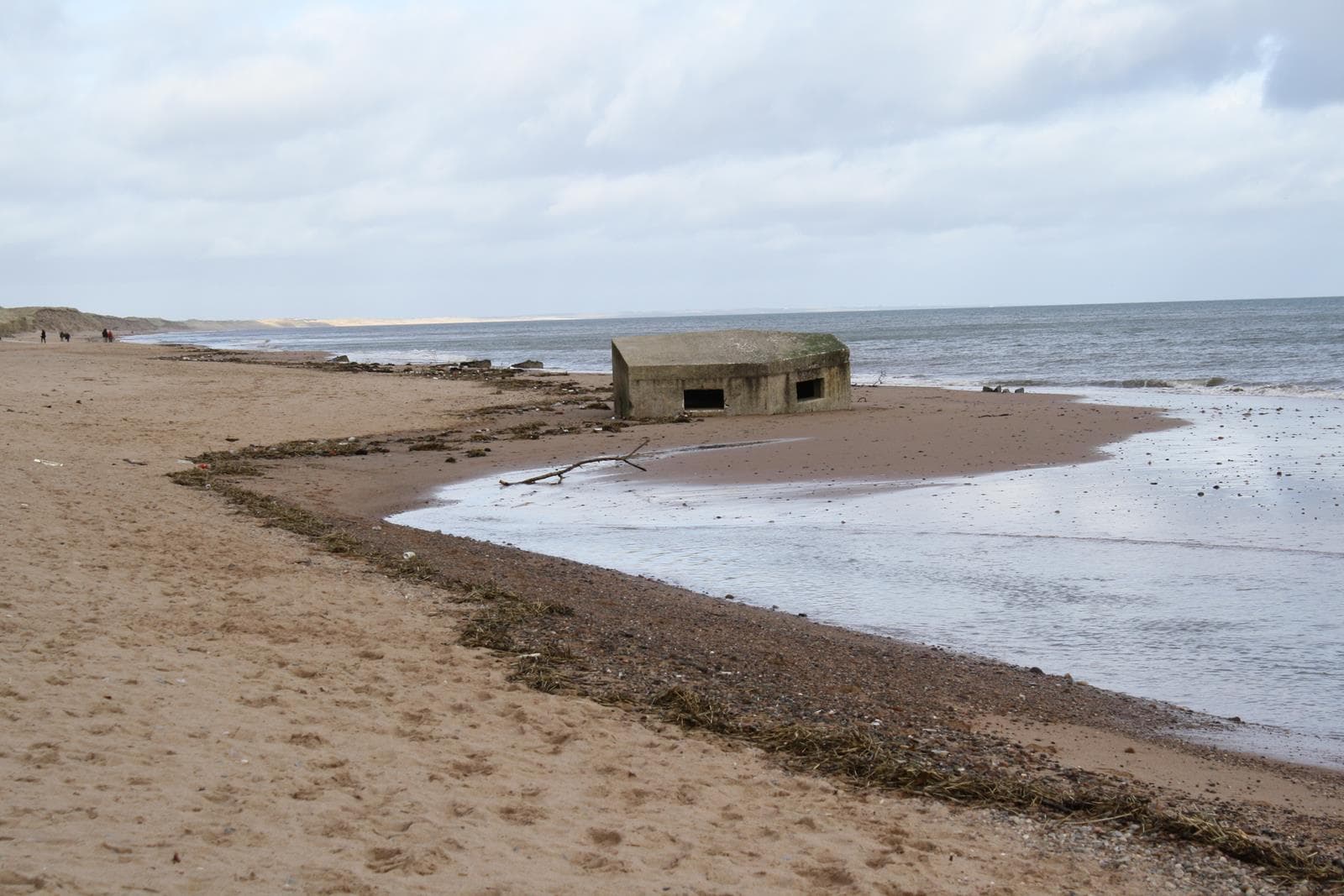
Donmouth Side Beach
Amazing finds here, so many colours and good sizes, got a bottle bottom once also.
Rare coloursLoads of glass
Isle of Wight
East Cowes Esplanade
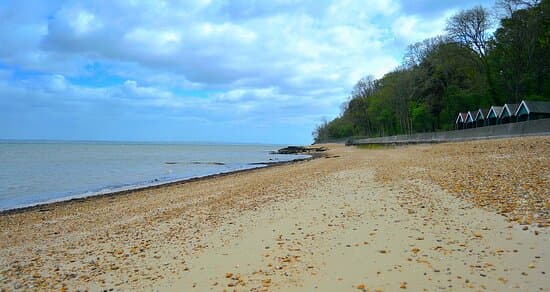
Best as tide is lower, follow the tide lines and there always glass to be found. Some scallops shells also
Common coloursLoads of glass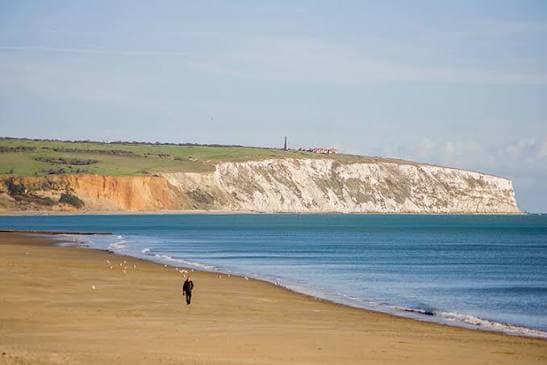
Sandown Beach
Follow the shingle lines along the beach. Best towards Shanklin side rather than Yaverland side.
Grail findA good amount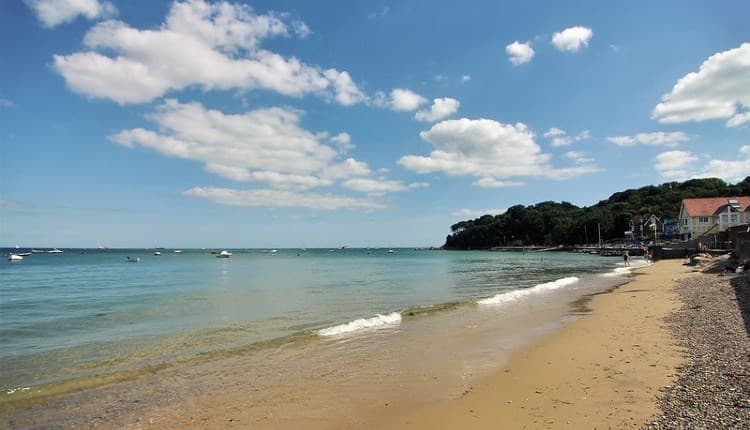
Seaview Beach
Loads of Scallop shells here as boats come in here and drop them.
Common coloursA few pieces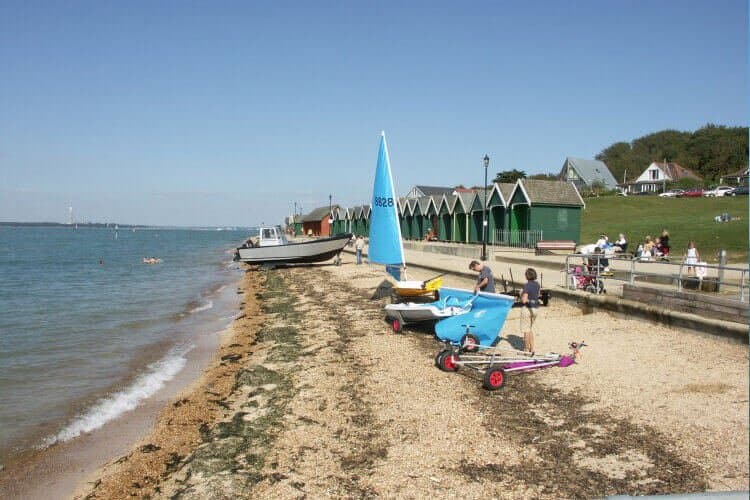
Gurnard Beach
Follow the tide lines, best at low tide
Common colours
Lancashire
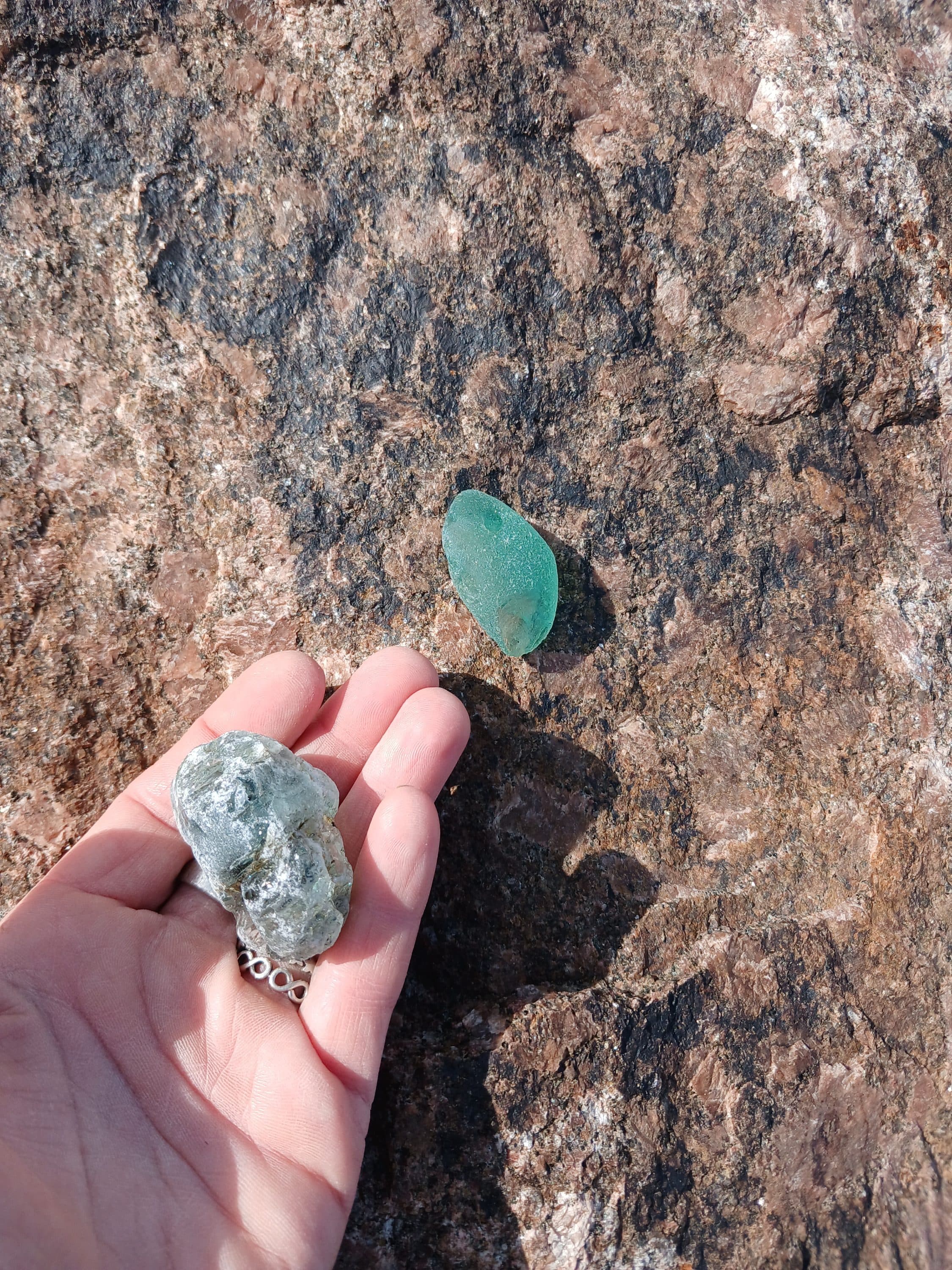
Rossall
Grail find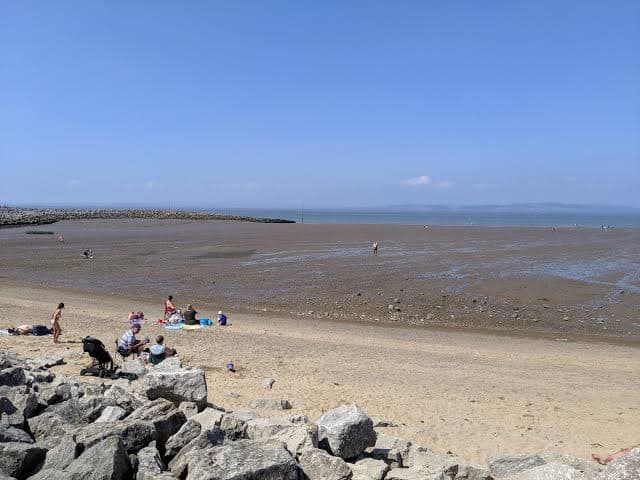
Heysham Beach
The glass is at Half Moon Bay, and not on the sandy part: head past it to the rock pools and pebbles, which is where it collects. Blue is the colour people report. Park at the Half Moon Bay car park, right by the beach access. Safety: Morecambe Bay is notorious for fast-moving tides and shifting sands, and there is no lifeguard. Do not walk out across the flats.
Common coloursA good amountCleveleys
Best as tide is going out
Common coloursA good amountfleetwood beach
Common colours
Moray
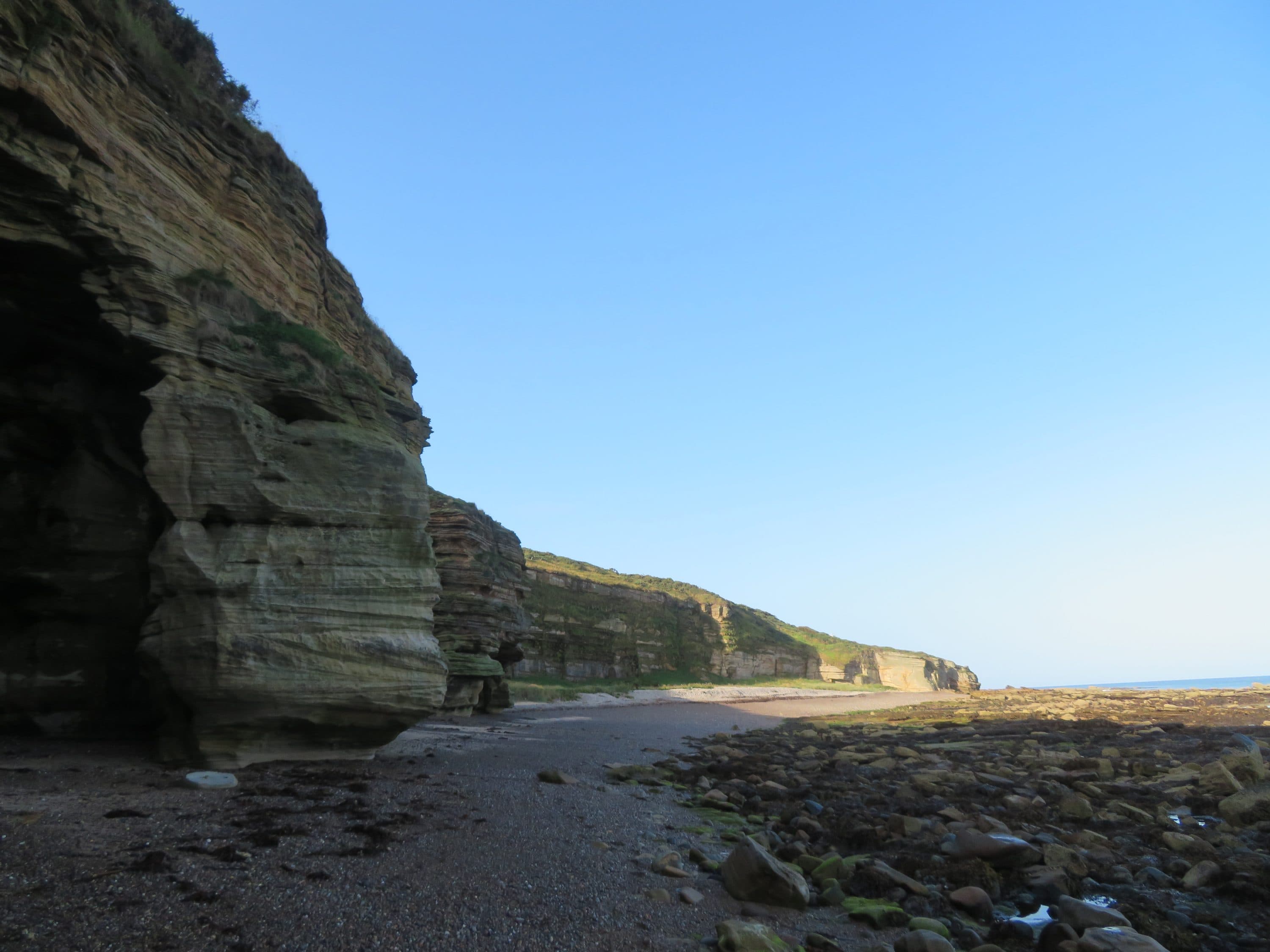
Beach below Covesea Viewpoint
Precarious to reach from the Moray Coastal Path on the cliffs, very slippery rocks and lots of scrambling. Not the easiest location for glass hunting with a lot of rocky areas, but there are occasional nice pieces to be found. Also a risk of being cut off by the tide.
Hard to reachCommon colours
Hopeman West Beach
Worth looking around the large rocks on the wester side of the beach, heading towards Burghead. Lots of little pieces end up tucked behind them.
Common colours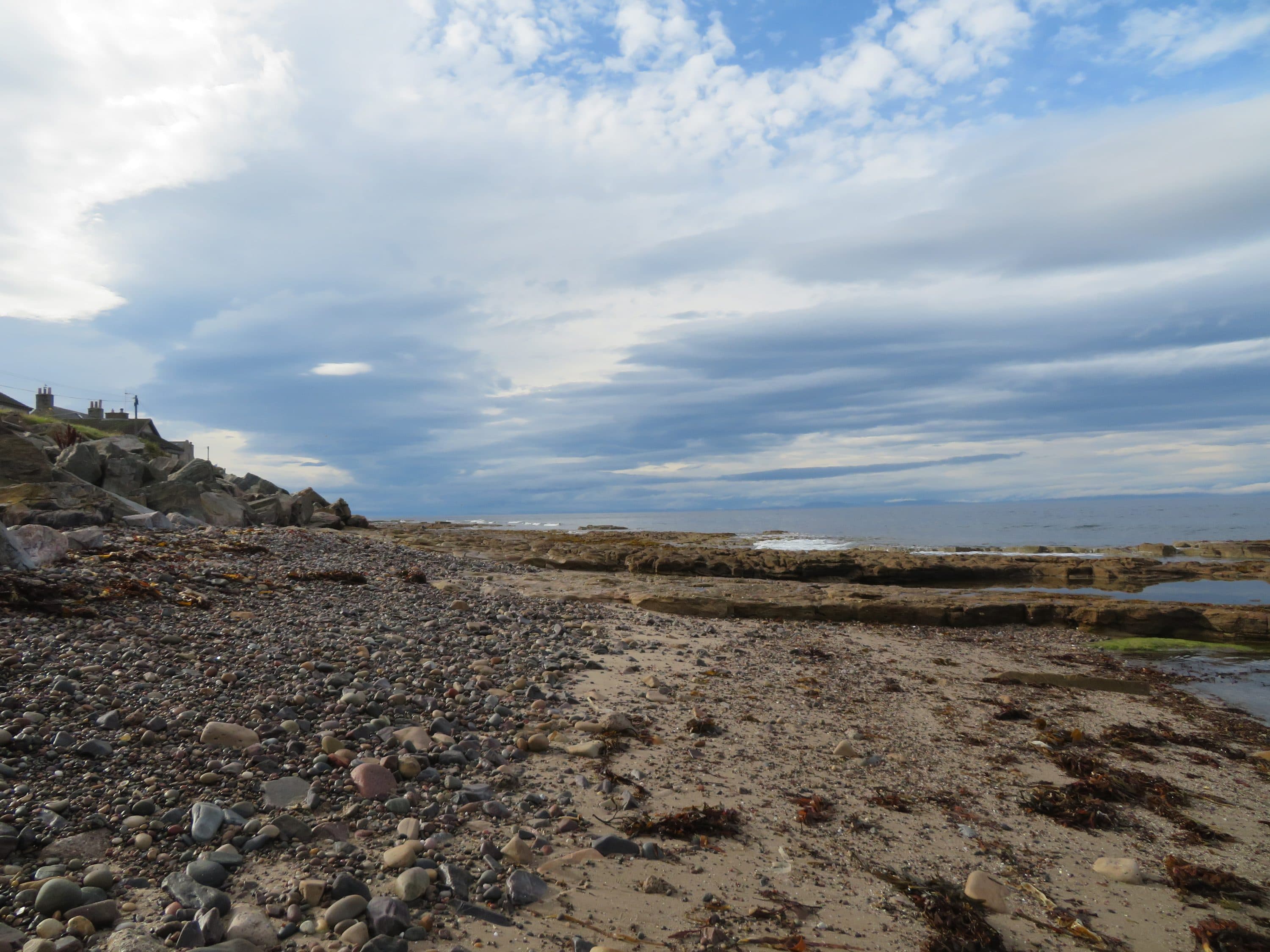
Burghead east beach
Only accessible at low-tide with a shallow clamber down the breakwater rocks. Mostly small pieces of common colours.
Common coloursA few pieces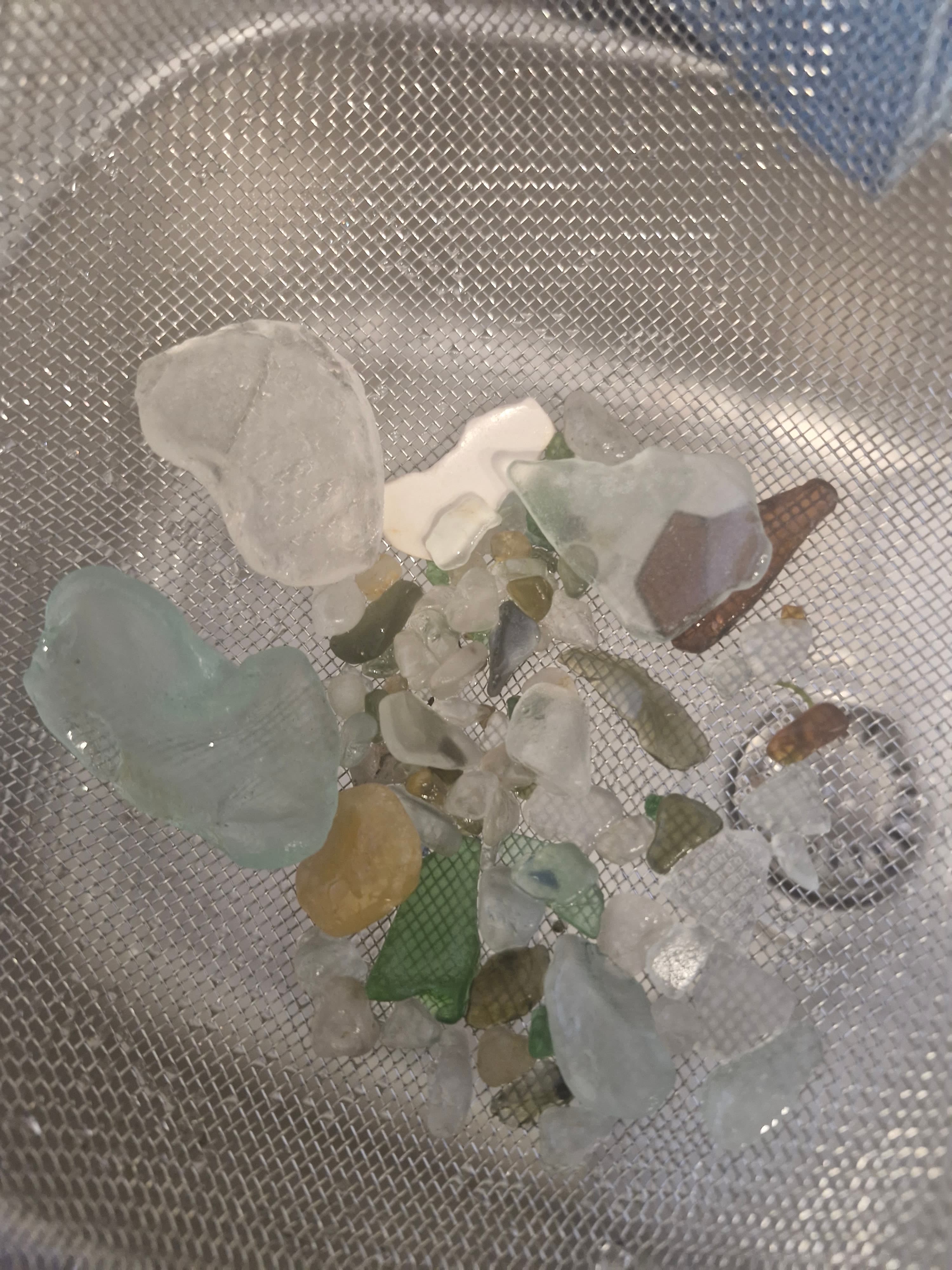
Lossiemouth west beach
Best after a high tide, mix of sizes of seaglass found as shown in pic
Common colours
Argyll and Bute
Helensburgh Beach
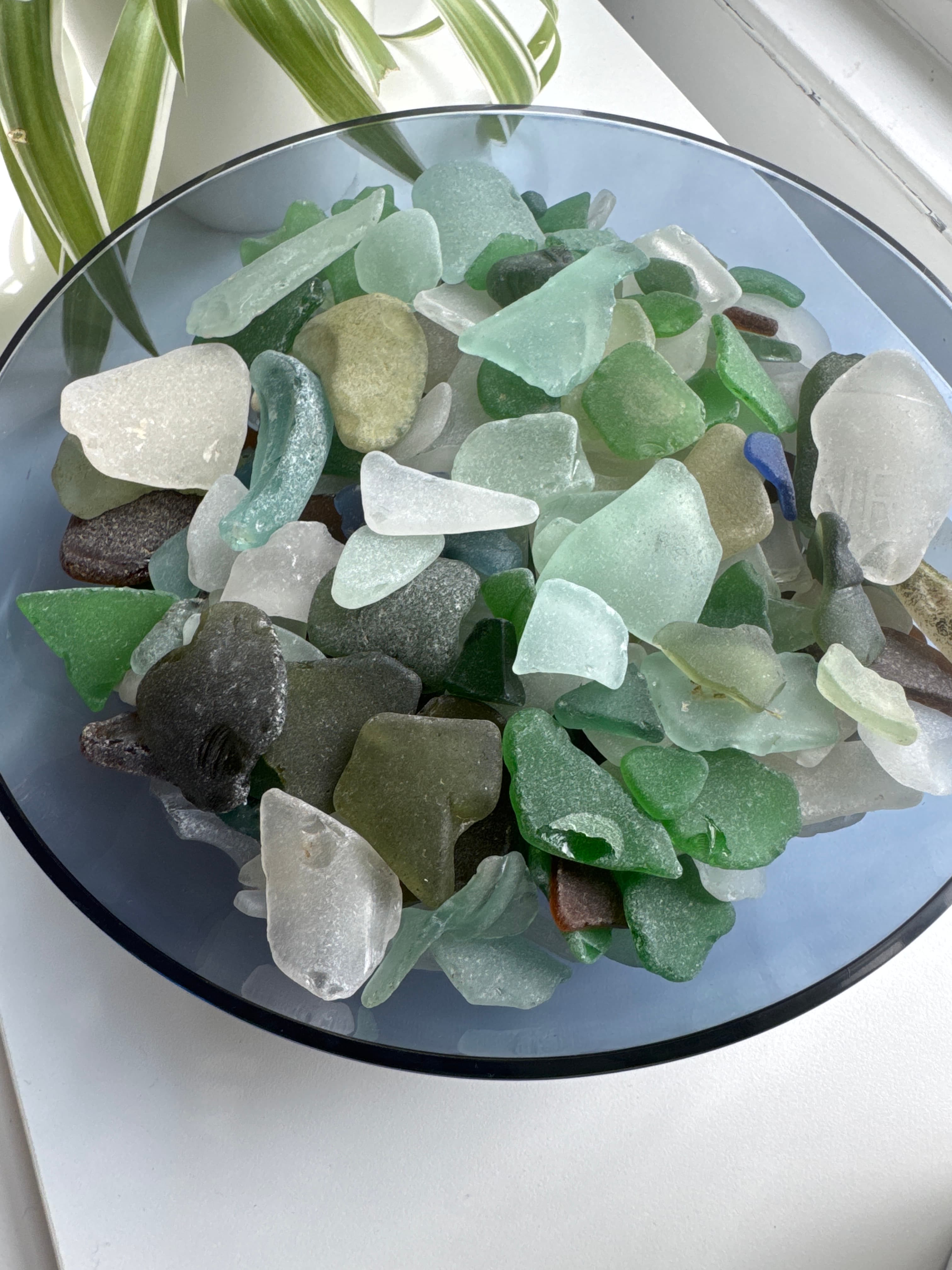
Best at mid tide. There is also more on the beach on East Clyde Street the other side of the pier. Mostly green and white glass but sometimes you will be lucky and come across some lovely sea foam, ambers and blues, I’ve even found a couple of pieces of pirate glass and the odd piece of blue print pottery.
Rare coloursA good amount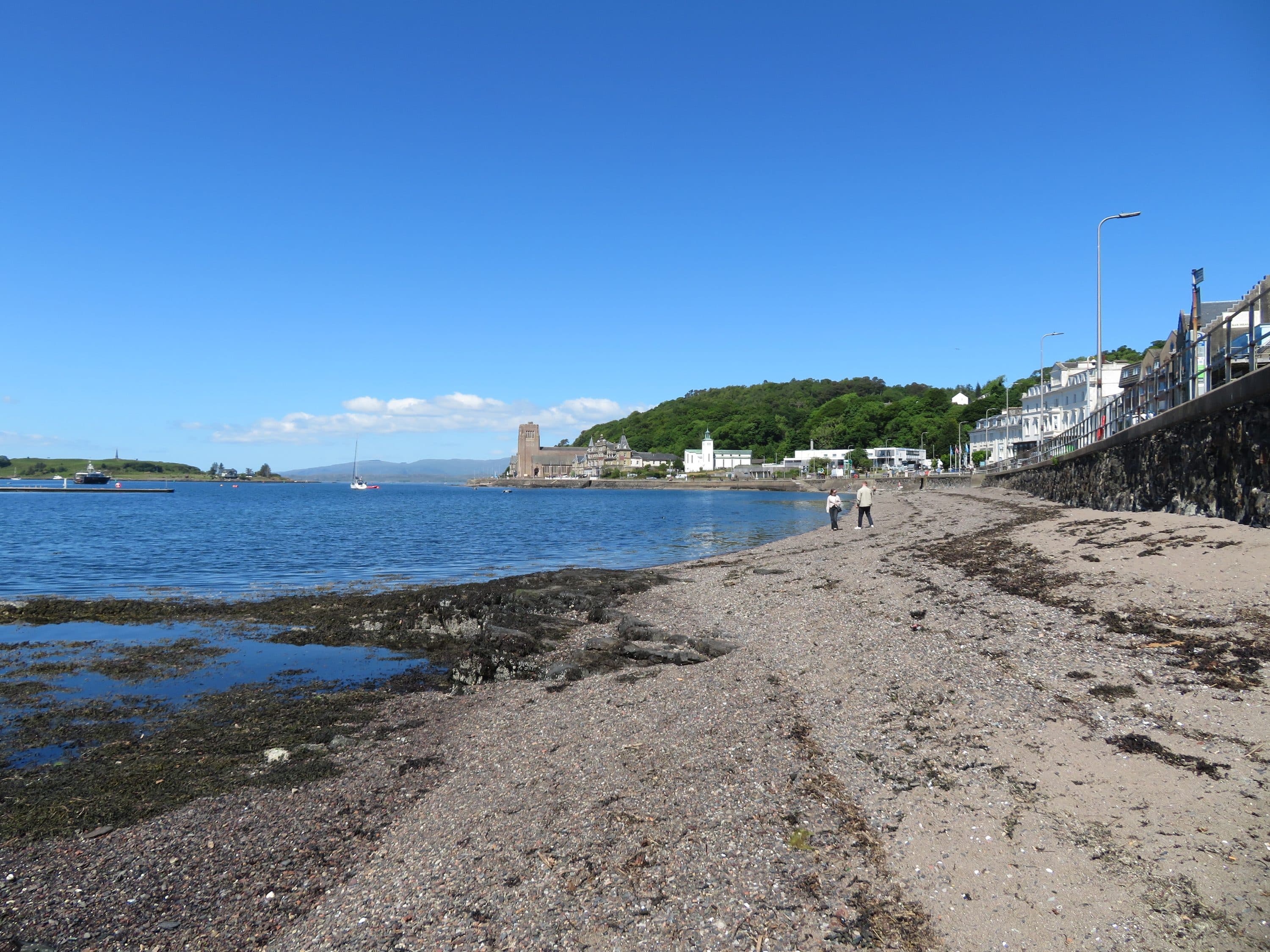
Oban beach
Some nice pieces to be found all along the shoreline from the pier to Dunollie. Mostly white, but a few other colours sometimes appear too.
Common coloursA good amount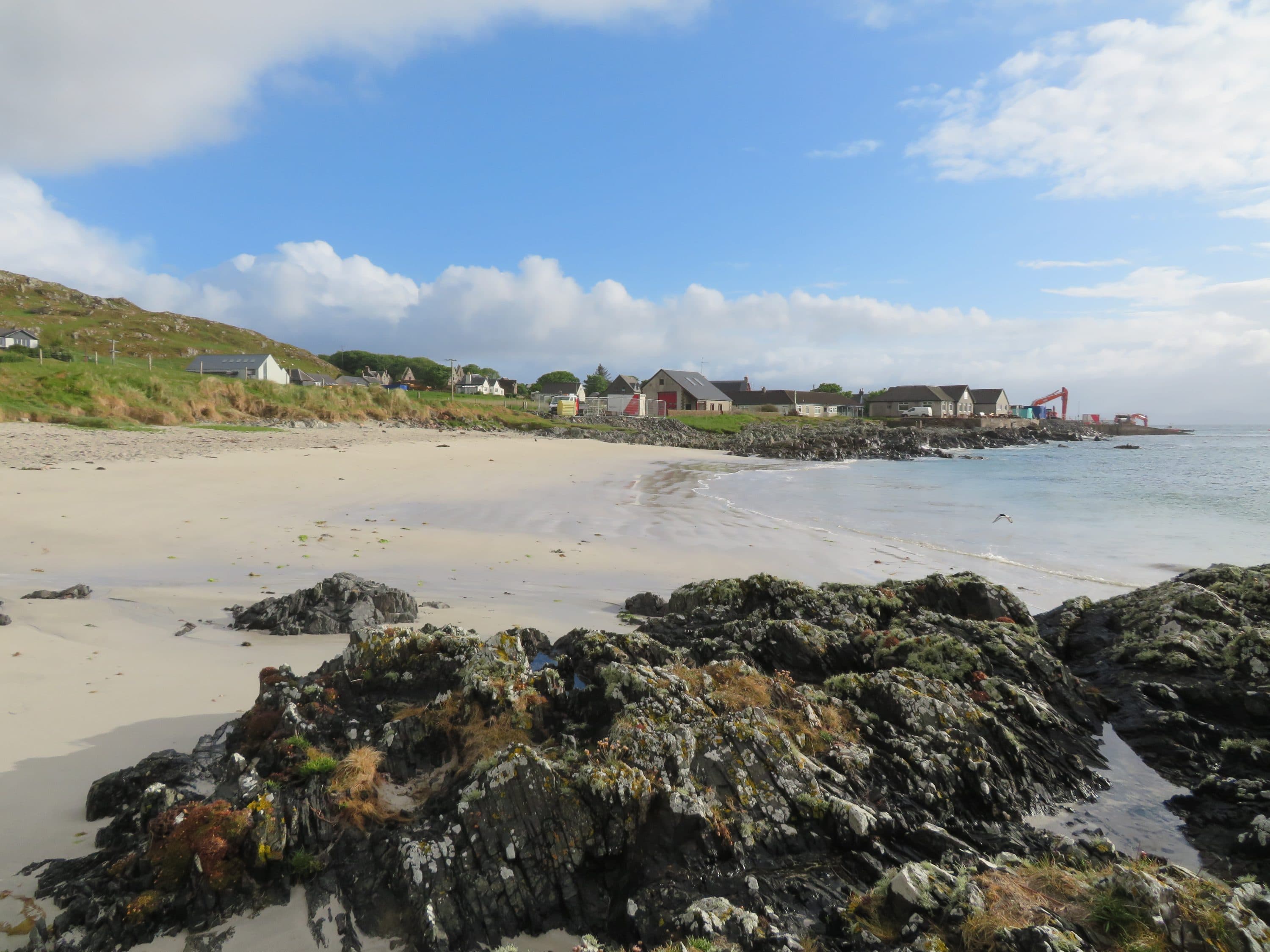
Iona's east beaches
The beaches down the east side of the island (near the pier, facing Mull) are best bets. Other beaches are better for geology.
Hard to reachCommon colours
City of Edinburgh
South Queensferry
Watch the tides. They come up fast.
Rare coloursLoads of glass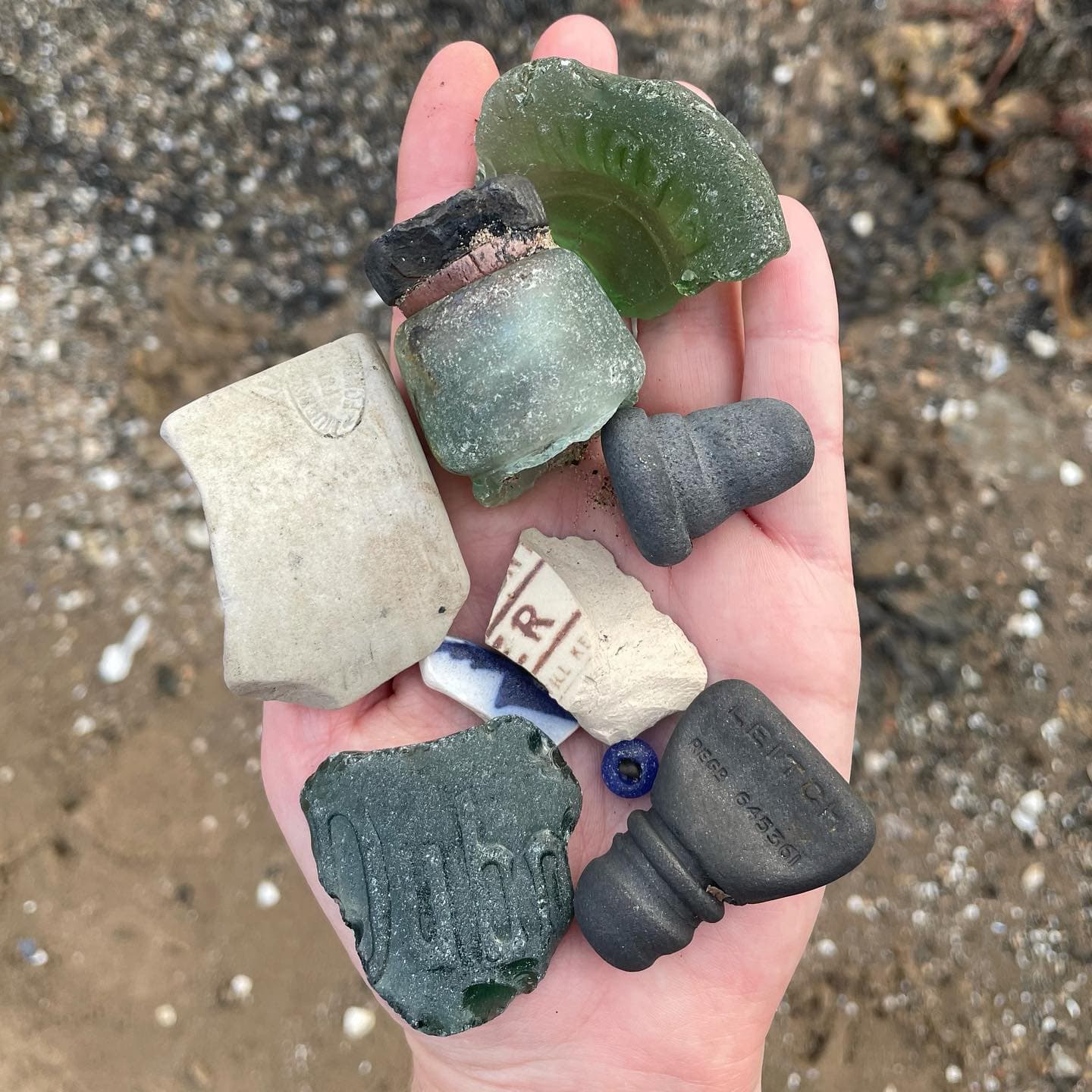
Portobello Beach, Edinburgh
Edinburgh’s seaside suburb has a long industrial past, with glassworks and potteries once lining the shore. You can still find white and green sea glass here, along with plenty of pottery shards, and two of the old brick kilns remain just behind the beach. Search along the tideline at low tide, anywhere along the promenade. Similar finds also turn up around South Queensferry, Prestonpans and Cramond.
Common coloursA good amount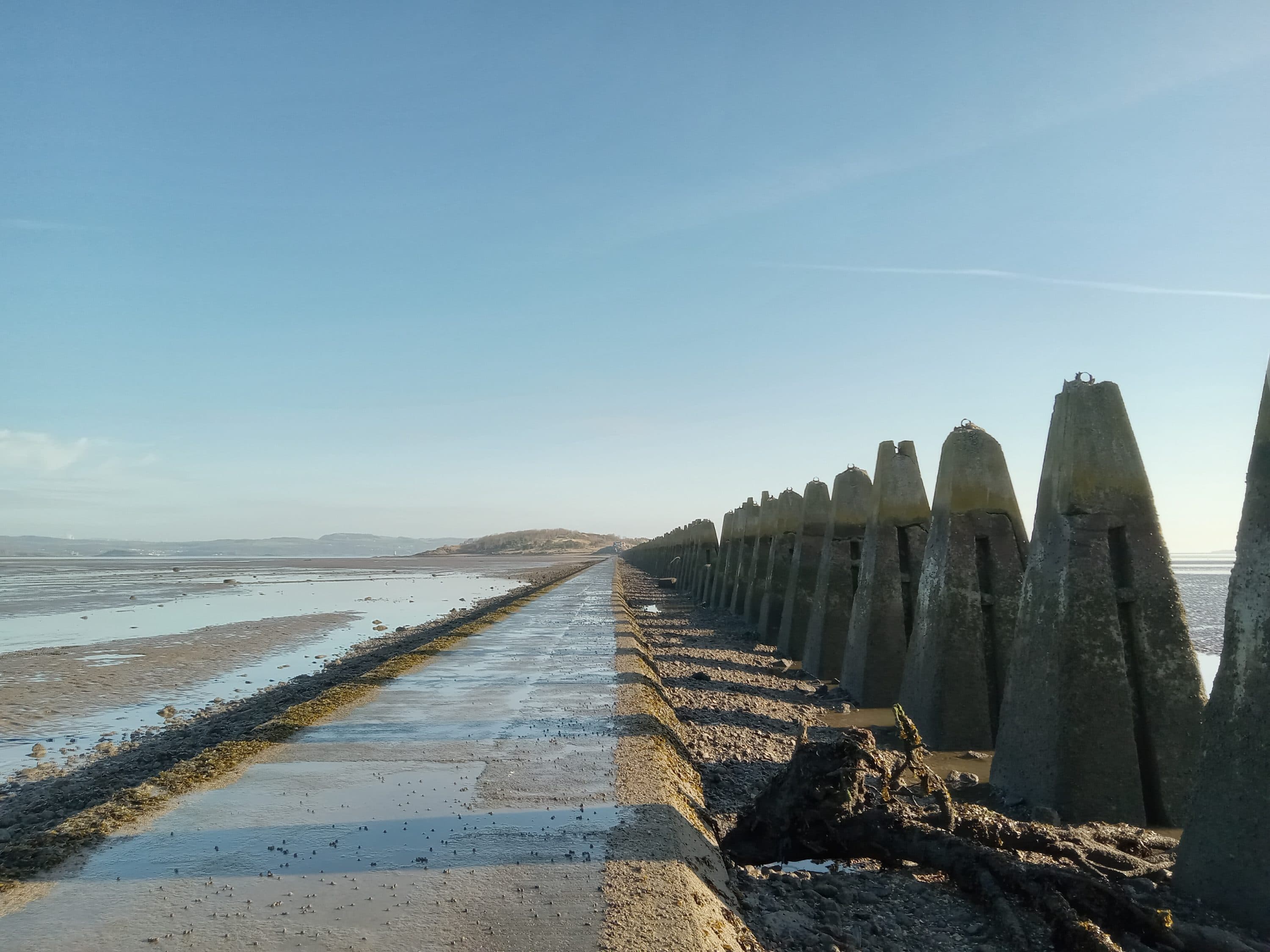
Cramond Island
Check the tide times before crossing the causeway or get stuck on the island. Lots of glass and china bits on the west beach
Common coloursLoads of glass
Cumberland
Parton Beach
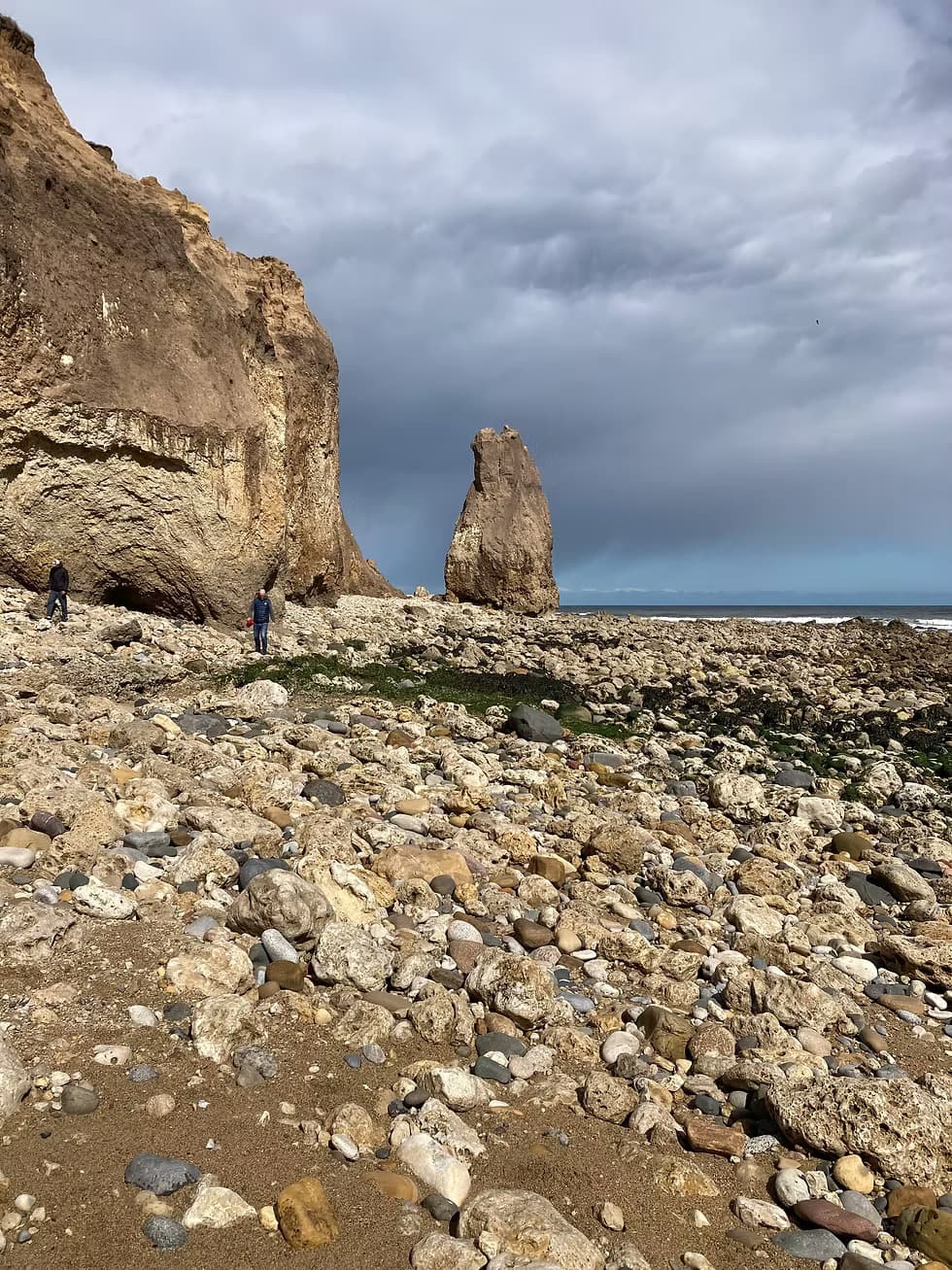
A shingle beach north of Whitehaven, on a coast built of bottle works, breweries, collieries and iron foundries, which is exactly where the glass comes from. Beachcombing Magazine found it far richer than nearby Allonby: an oval of aqua glass, a Codd marble, a worn sea stopper, and "most excitingly a piece of purple sea glass". Walk north along the shingle towards the low cliffs and the outflow of Lowca Beck. Free car park through the railway tunnel.
Rare colours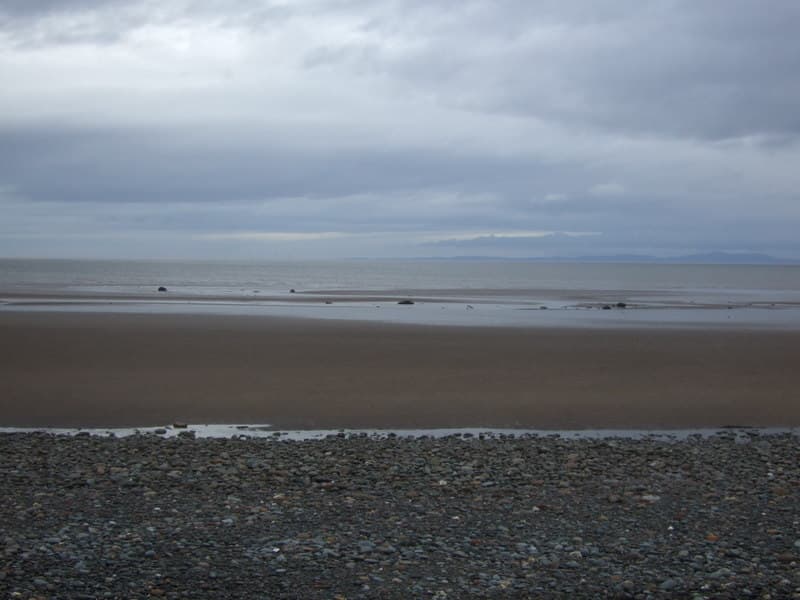
Allonby Beach
Worth knowing before you drive: Allonby has a big reputation in sea glass groups, but the one detailed first-hand write-up is a disappointment: four hours of hunting produced a handful of pieces, and the author wrote that "what was surprising was the absence of sea glass." The same collector found far more at PARTON, half an hour south, which is also on this map. Free parking along the shore road, short walk across the dunes.
Uncommon coloursA few piecesRavenglass
Common colours
East Riding of Yorkshire
Bridlington
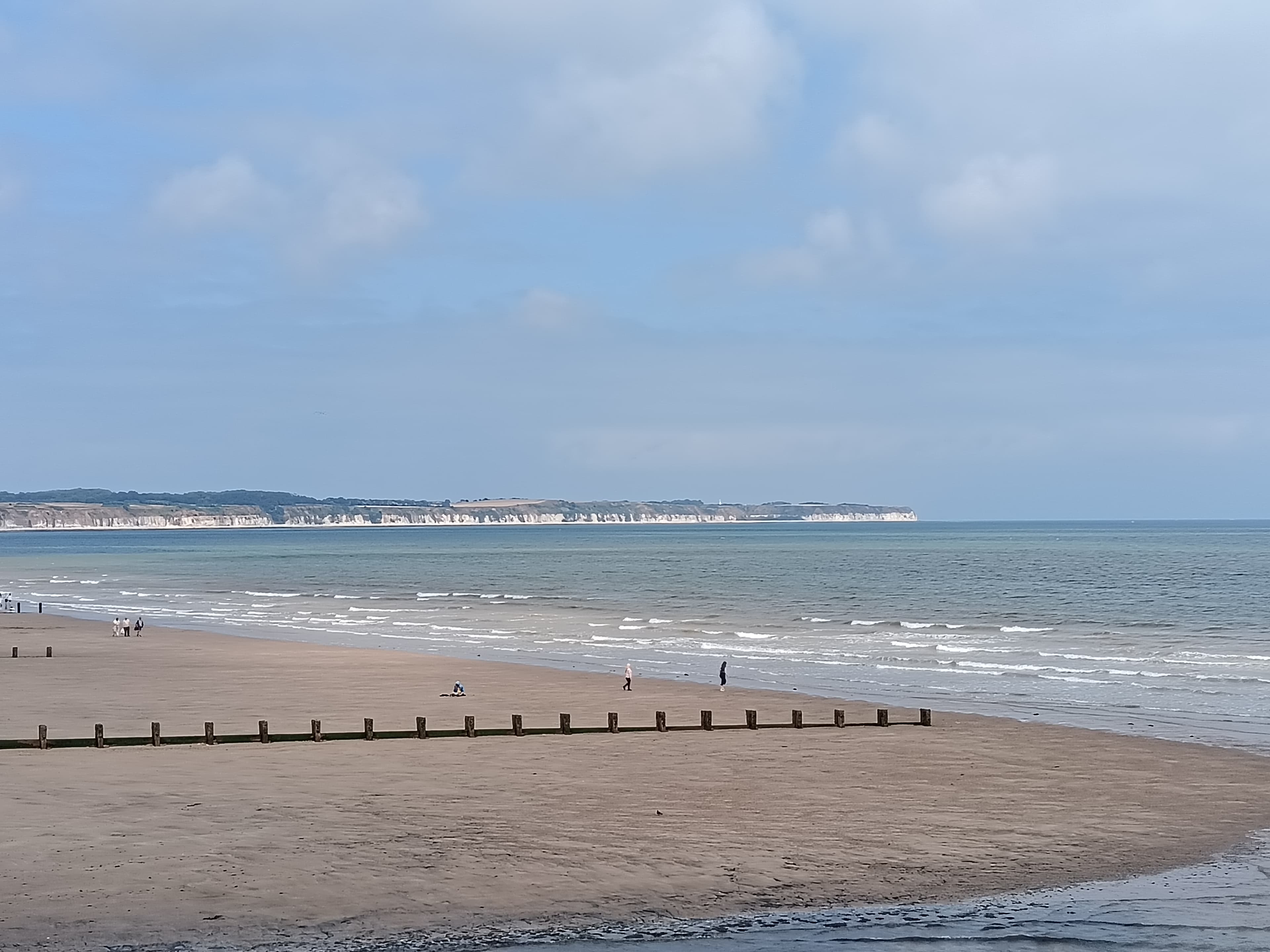
Regular tourist beach. I've included possible Victorian Sponges are/Scottish (eg Kirkcaldy) Spatterware. The East Yorkshire coast has a rich history of maritime and domestic life. Note: Spongeware was stamped by hand with dense sea sponges then detailed by hand. I added a photo of the green glass with a light behind it. Older glass eg pirate glass has bubbles due to manufacture unlike modern day glass.
Common coloursA few pieces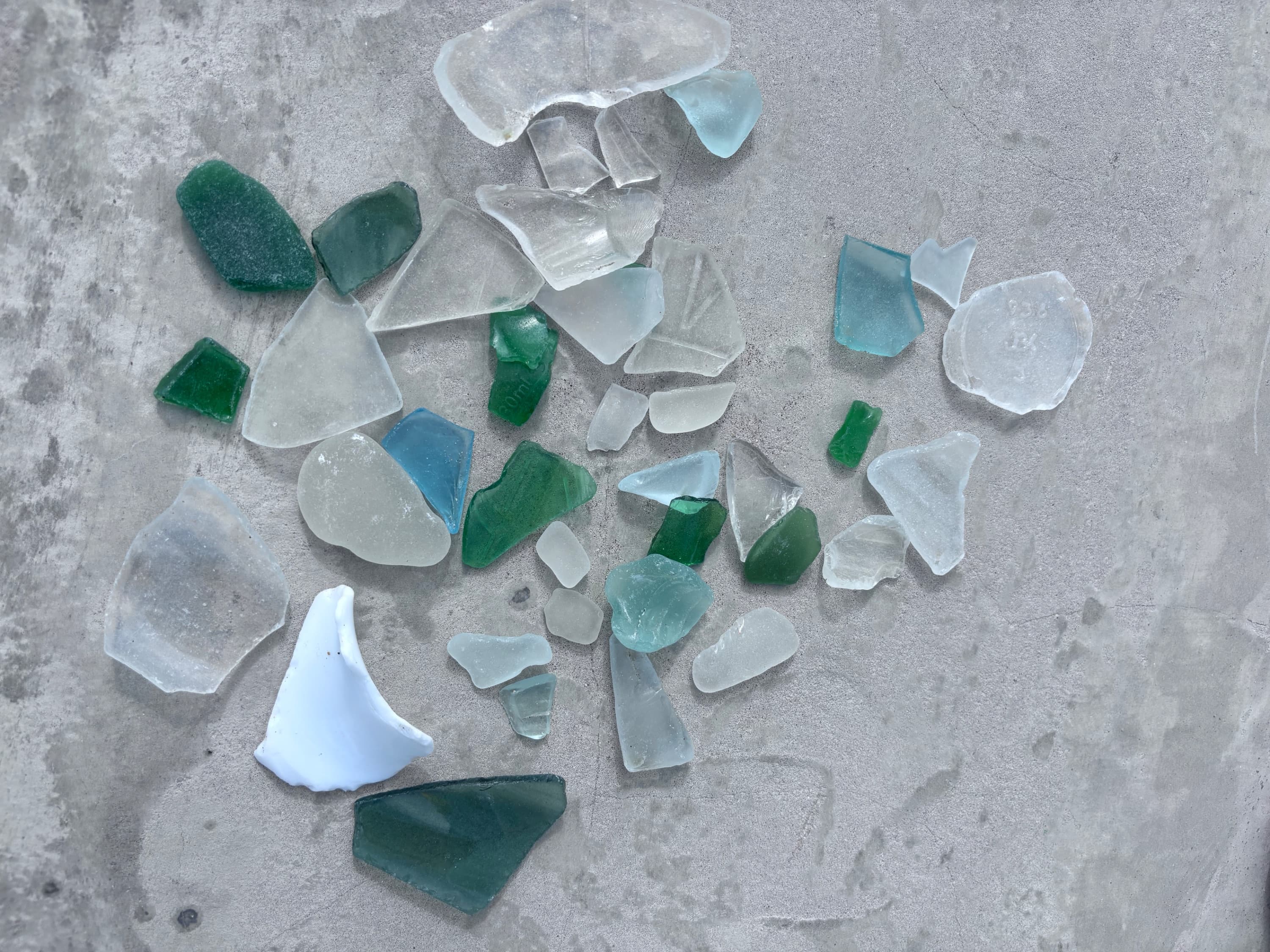
South beach
Best at Low tide The tide come in very quickly Easy parking and good access to the beach
Common coloursA good amount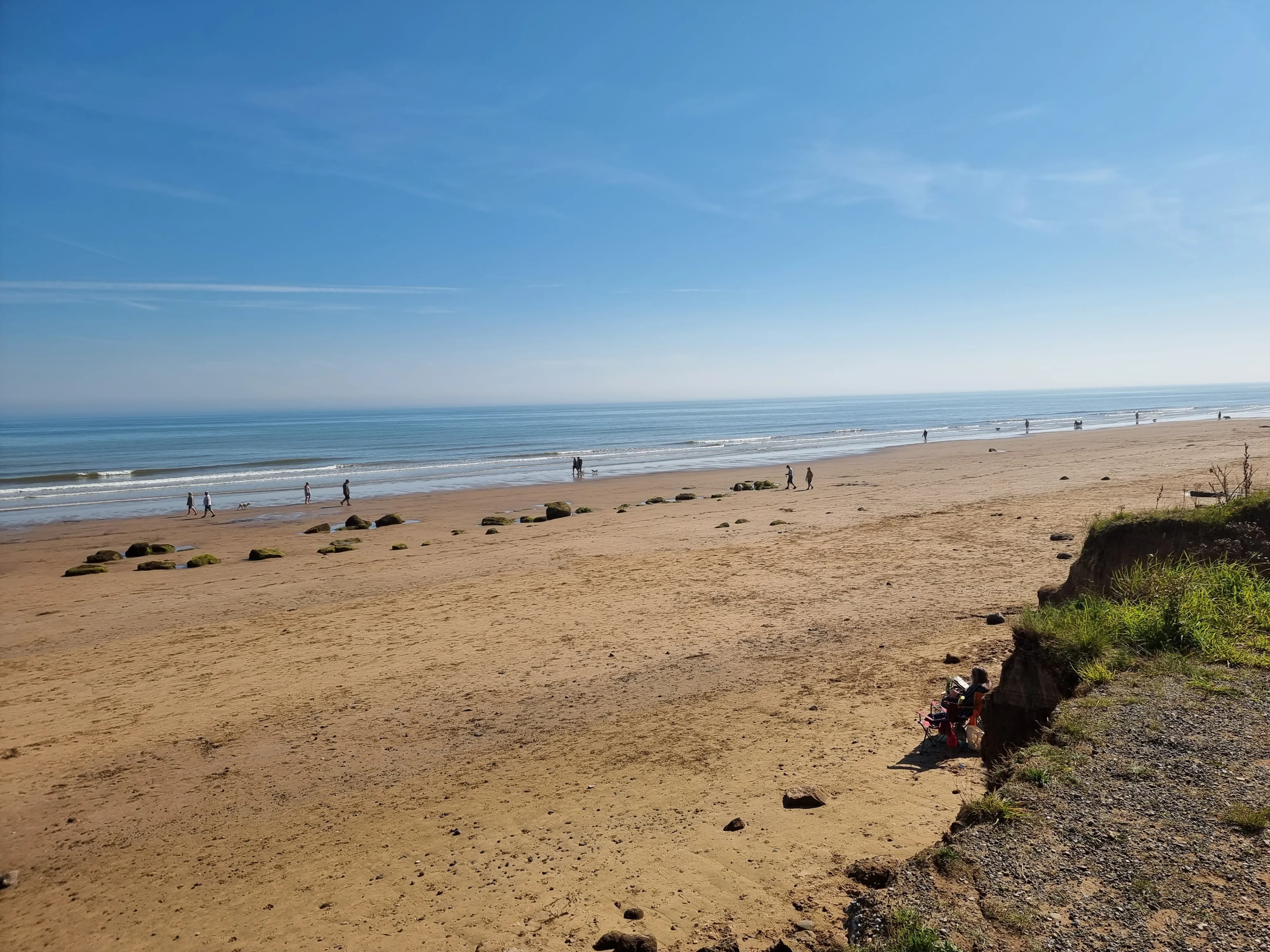
Fraisthorpe
Long drive from the main road to the beach passing fields and farms. Large pay to park car park (£1.70/hr as of 07/26). Packed on a Thursday. attendant very keen. Camera filming in and out...... Rock pools, large rocky areas, sea goes out quite a way.
Hard to reachCommon colours
Essex
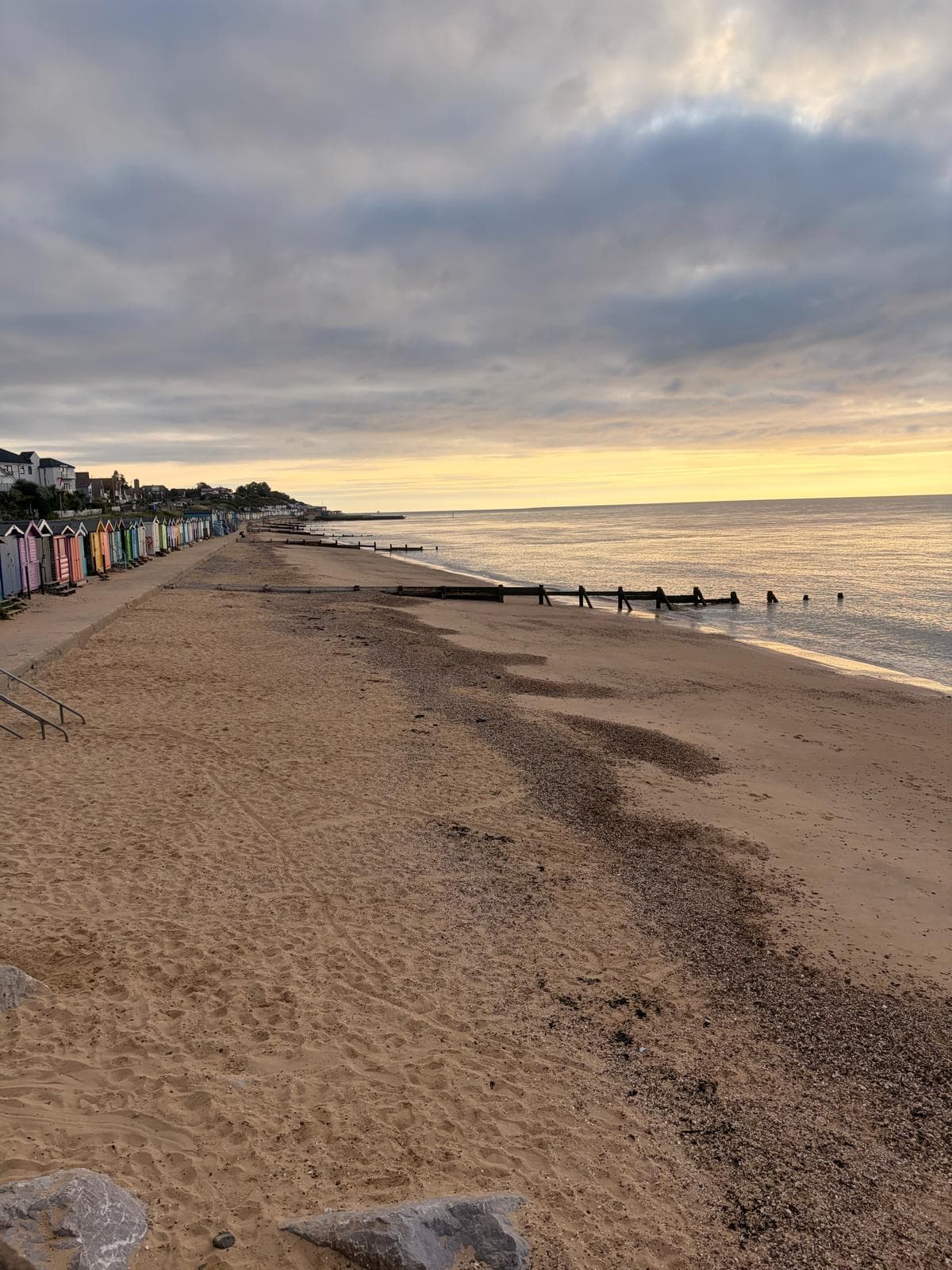
Walton on The Naze Beach
A well known spot for sea glass and sharks teeth.. i would suggest getting there 2 hrs after high tide and preferably early morning as its a popular spot
Common coloursA good amountFrinton On Sea Beach
Similar to Walton On The Naze , a great beach for sea glass and some sharks teeth, i found a megladon tooth on Frinton Beach
Common coloursShoeburyness
Best place to collect is around the beach huts after high tide.
Common coloursA good amount
North Yorkshire
near the scalby mills pub
Best at low tide is safety glass tied comes in quickly. is on a bus route too.
Common coloursA good amount
Whitby Beach
The Whitby sea glass is not on the West Cliff sands. It is at Tate Hill Sands, the small harbour-side beach below the 199 Steps. Amy Kelly of Whitby Seaglass, who has collected here for years, does most of her hunting on the walk between Whitby and Sandsend: "I've found whites, greens of all shades, yellows, oranges, blues and red, but the rarest I have found are lilac and pink." Work the pebbly sections, not the sand. Park at Church Street (YO22 4AS) and walk through the old town: the West Cliff lift has been closed since 2021.
Grail findA good amountScarborough South Bay
Found all about 2hrs after high tide. Lots of common colours, one rare yellow/orange. Lots of sea ceramics too!
Grail findA good amount
Swansea
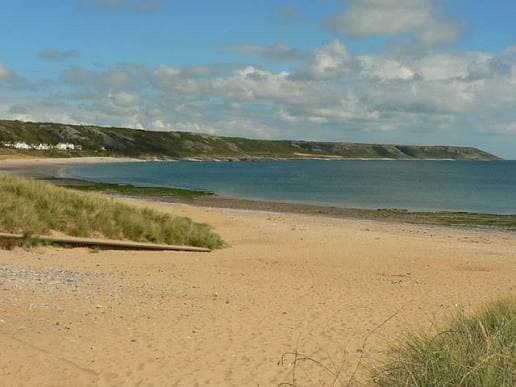
Port Eynon
Called "the best spot on the Gower by far" by a sea glass collector, who names two exact places: either side of the boat slip at Port Eynon, and the little stream at the Horton end of the bay. Rare blues are reported at the stream. Skip the open sand in between: another hunter came away with five pieces after hours, and he was searching the sand, at low tide.
A good amount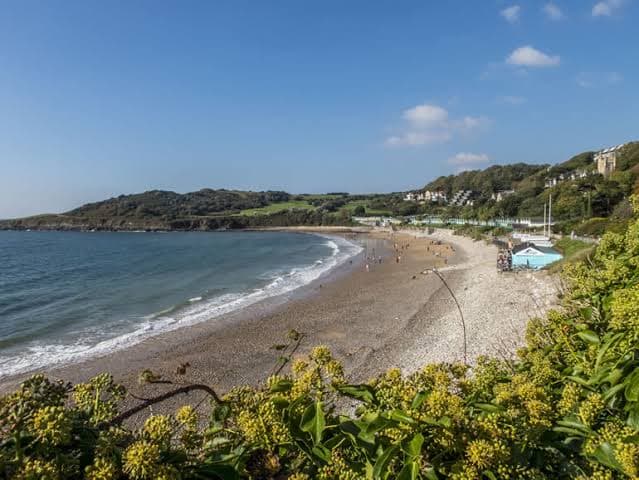
Langland Bay Beach
A sandy Gower beach near Swansea, with beach huts, coastal paths and a lot of surfers. The pay-and-display car park is right behind the beach and fills quickly on a sunny day. Nobody has written up the glass here yet. Port Eynon, round the Gower, is the one collectors rate.
Side of pier, behind big wheel
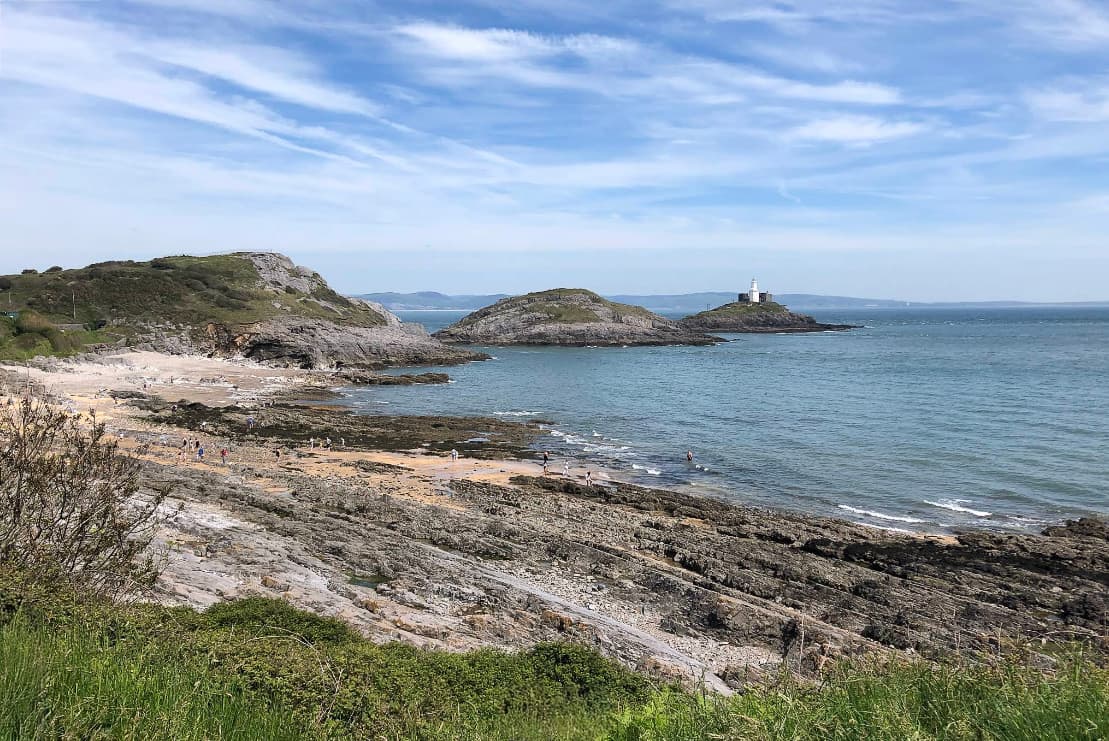
Inaccessible at high tide. Steep steps to access cove.
Common coloursA few pieces
West Sussex
Littlehampton Beach
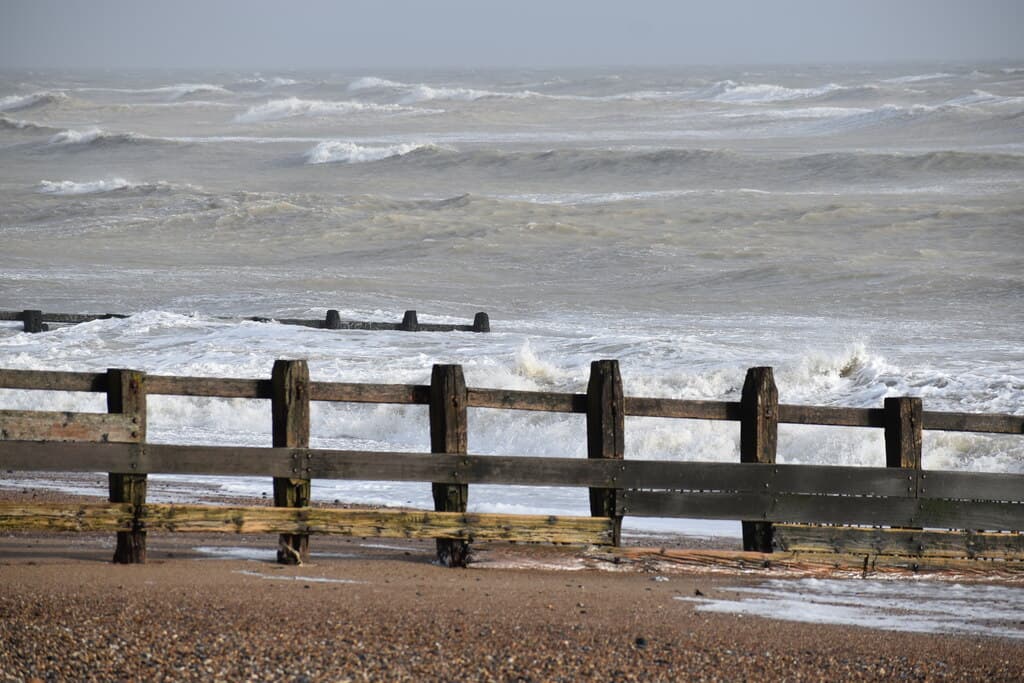
A sandy West Sussex beach at the mouth of the Arun, in two halves: a busy East Beach with the amenities, and a quieter West Beach over the footbridge. There is parking near both, and East Beach is a short walk from the town centre.
Common coloursA few pieces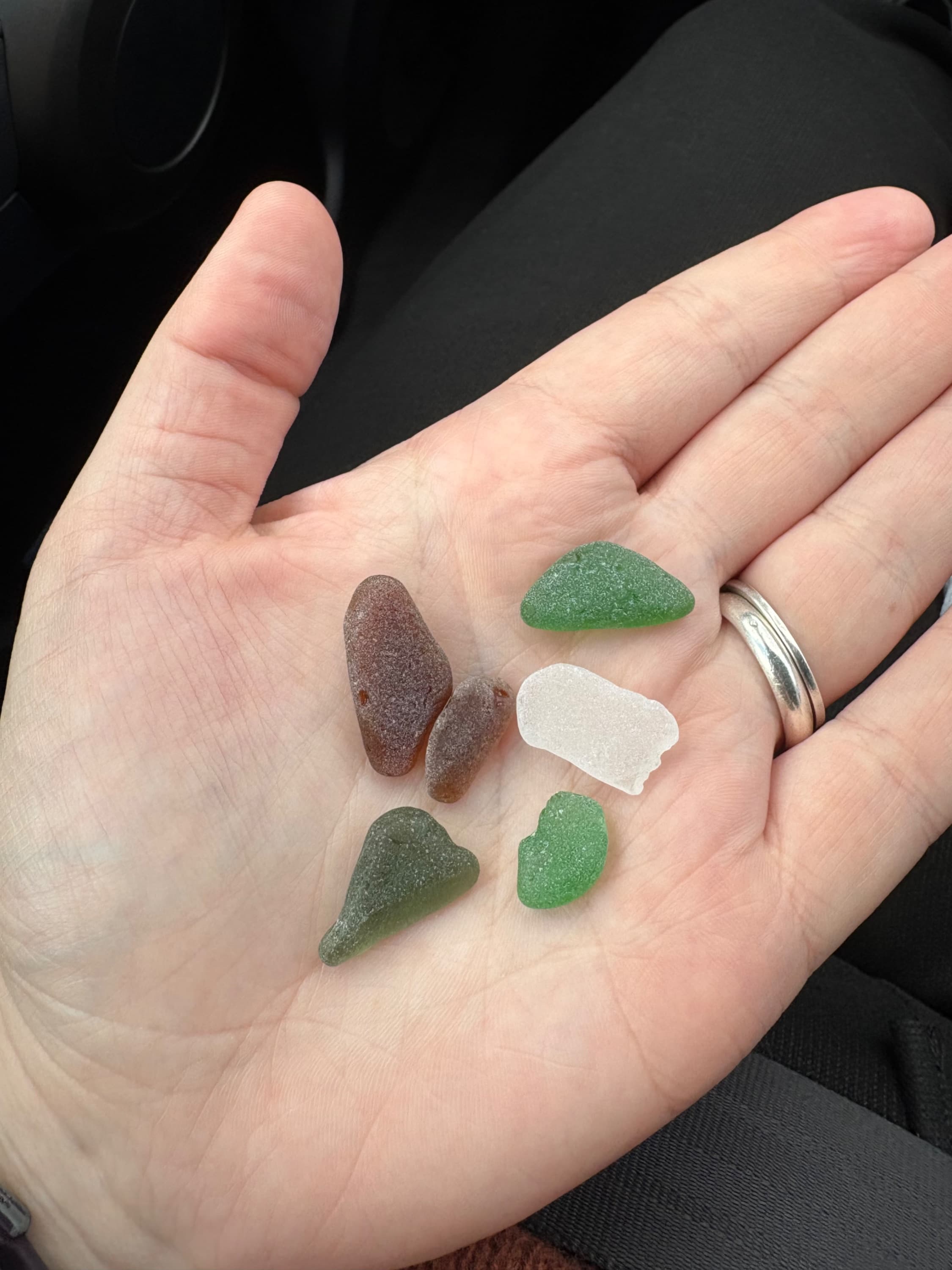
Little Hampton west beach
Low tide revealed more shingle
Common coloursA few pieces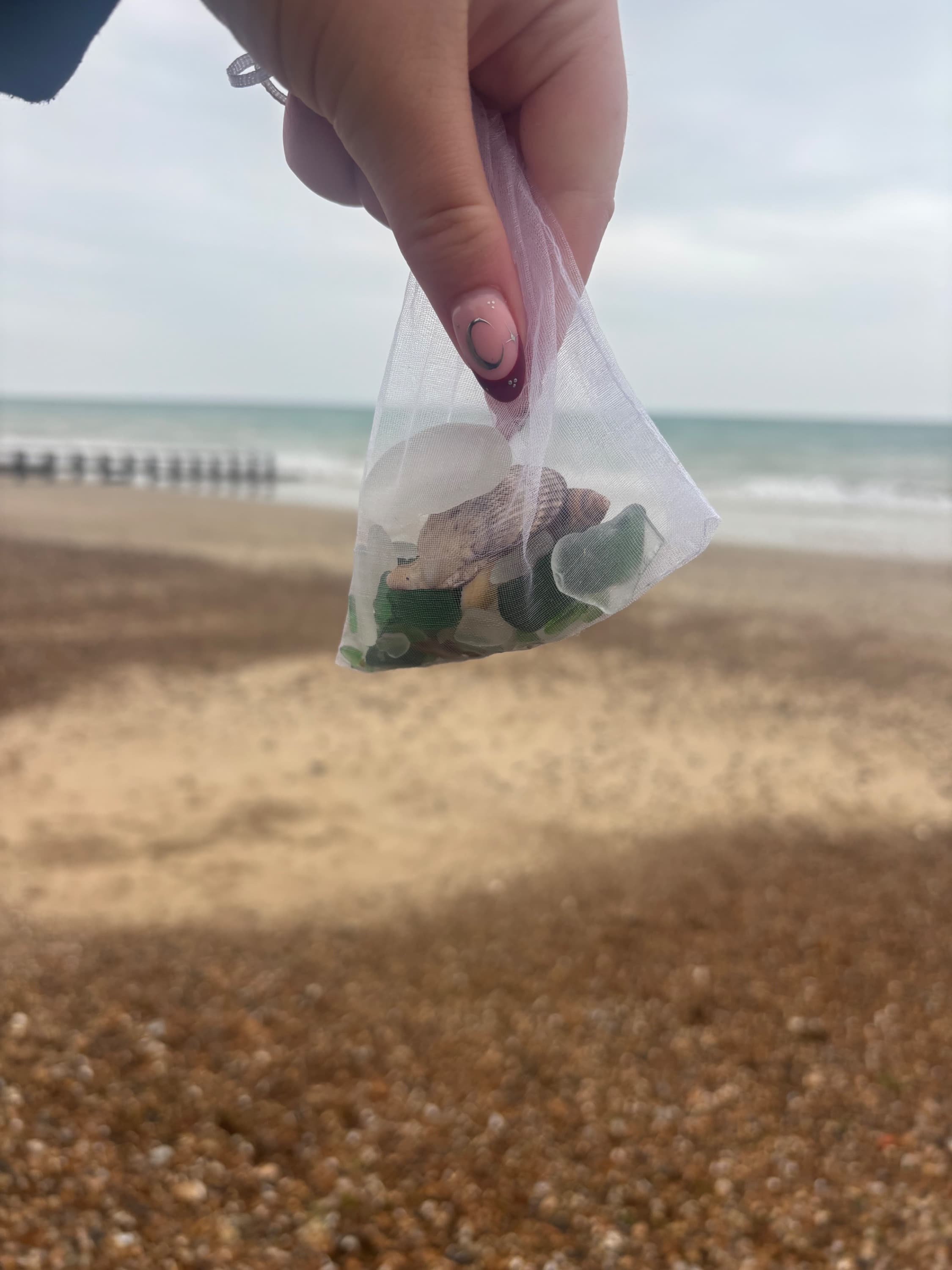
East beach little hampton
Grail findA good amount
Aberdeenshire
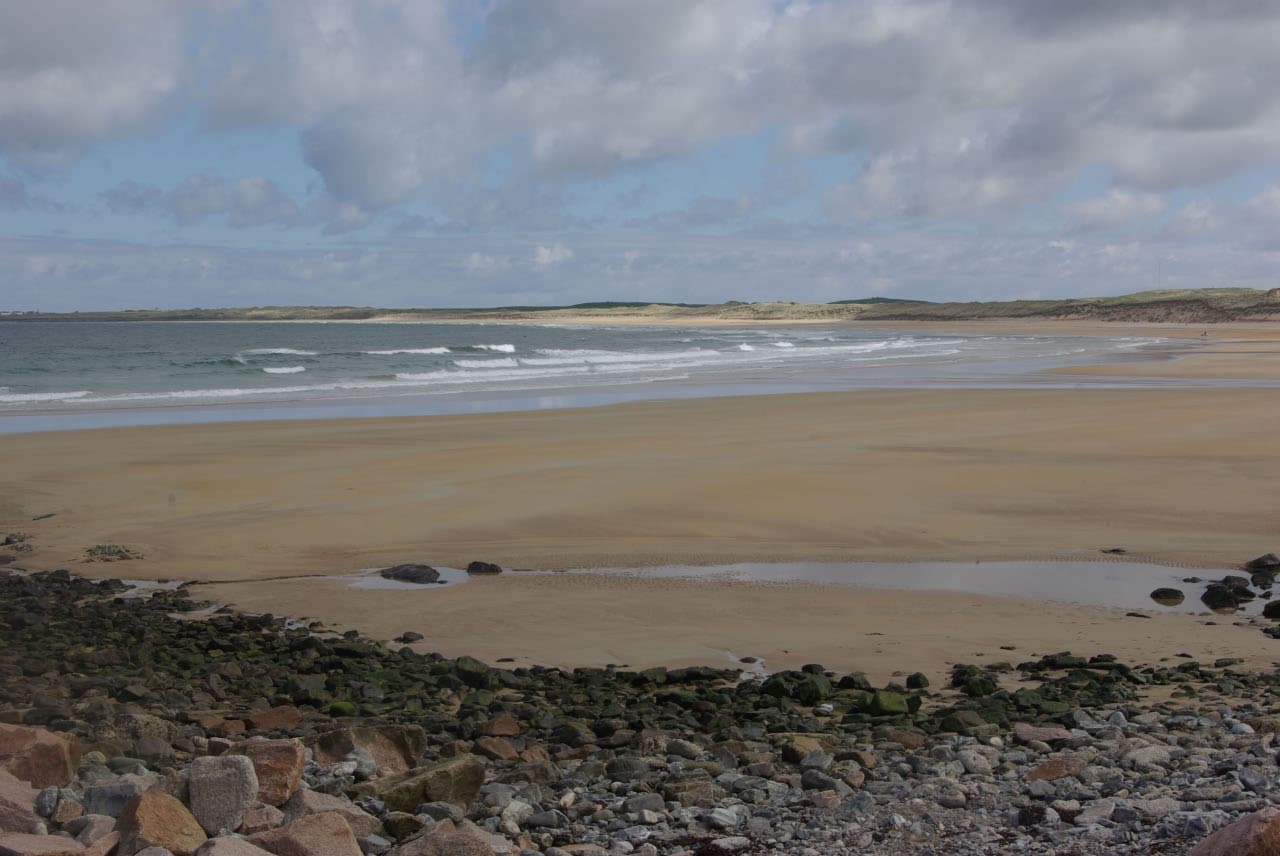
Fraserburgh Beach
Sand beside a working Aberdeenshire fishing town and its harbour. Parking runs the length of the esplanade, straight off the main road and well signposted. Nobody has written up the glass here yet.
A few pieces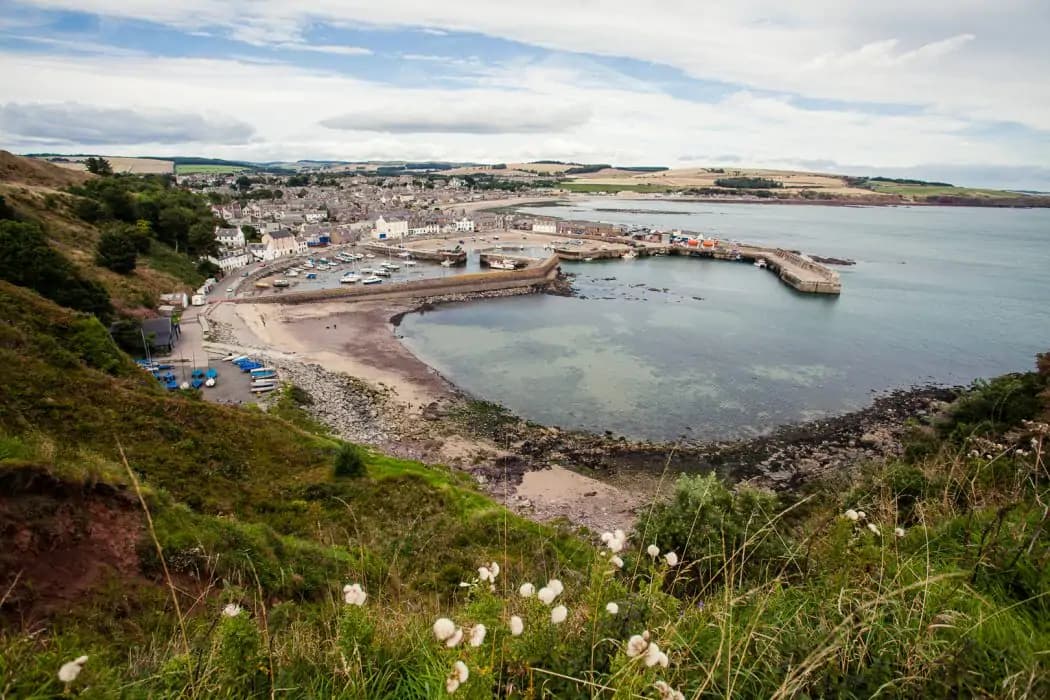
Stonehaven Beach
The pieces here are small and gather in the small stones.
Common coloursA good amount
Conwy
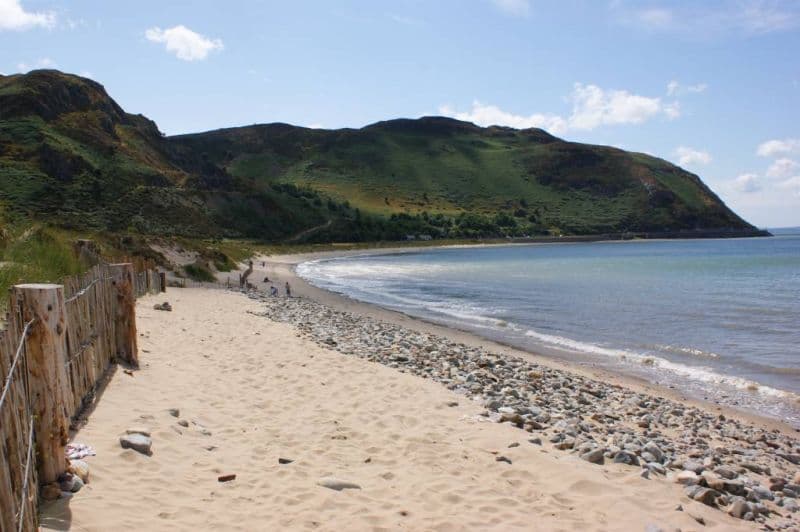
Morfa Conwy Beach
A Victorian rubbish tip sits behind this beach, and the sea keeps giving it back. The local paper describes the shore as "strewn with glass and pottery". Search the shingle at the BACK of the beach, not the waterline. Because the source is a tip rather than a century of tumbling, pieces here are bigger and far less frosted than usual: watch for sharp, unfinished shards and old metal, and wear proper shoes. Free parking at the Oval car park, then a level path behind the dunes.
Uncommon coloursA good amount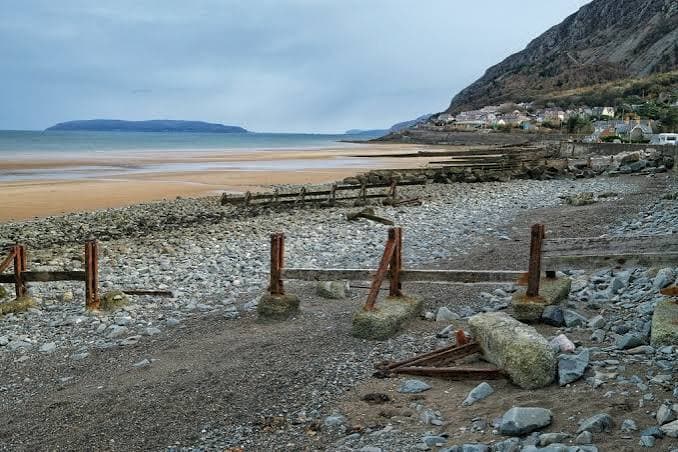
Llanfairfechan beach
Common colours
Dorset
Charmouth Beach
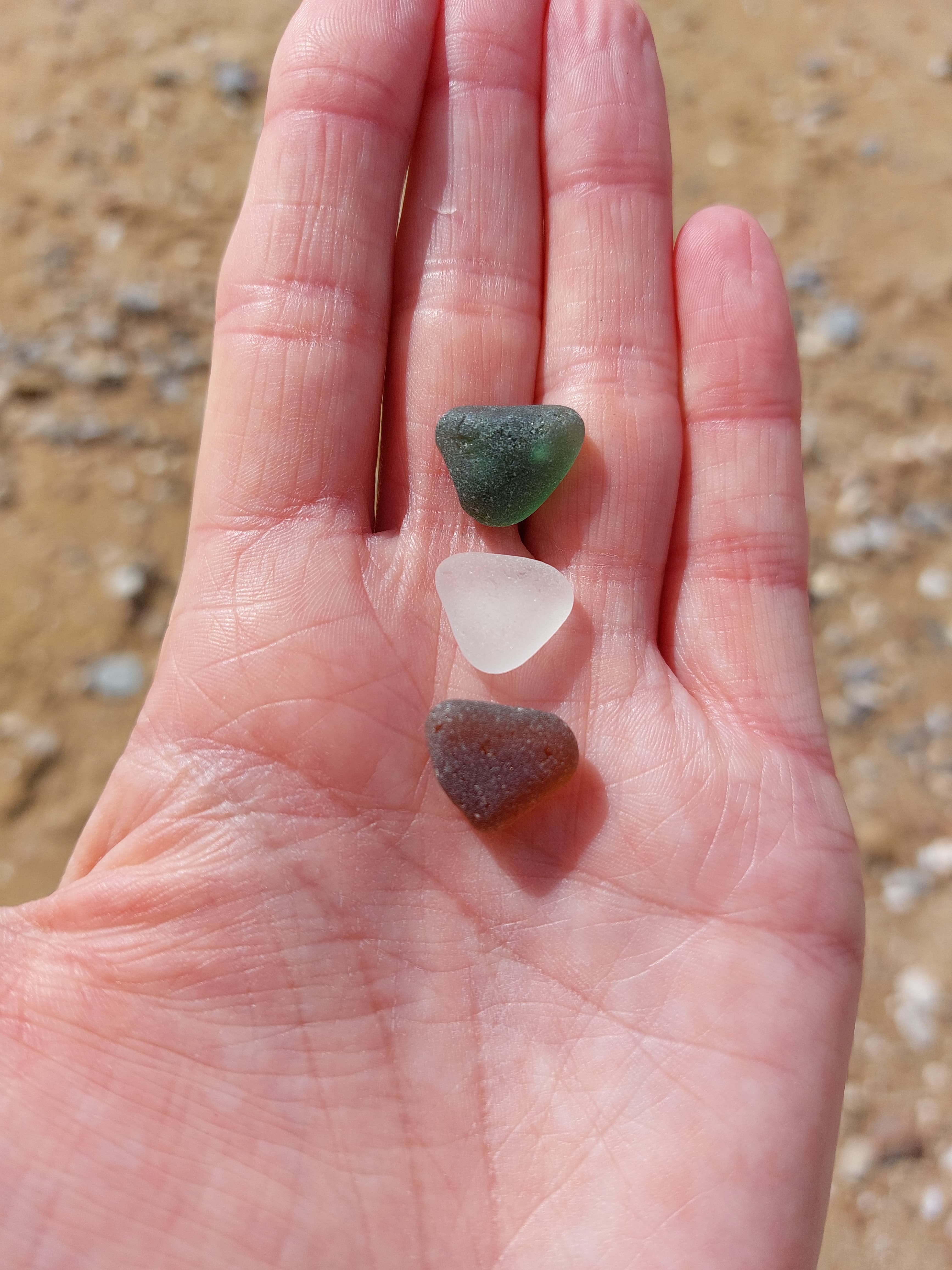
Park at the beach car park and just walk down to the beach, round the mouth of the river there was a lot of glass. Be careful if you head towards the cliffs as they are prone to collapse to best to stick to the section near to the river mouth.
Common coloursLoads of glass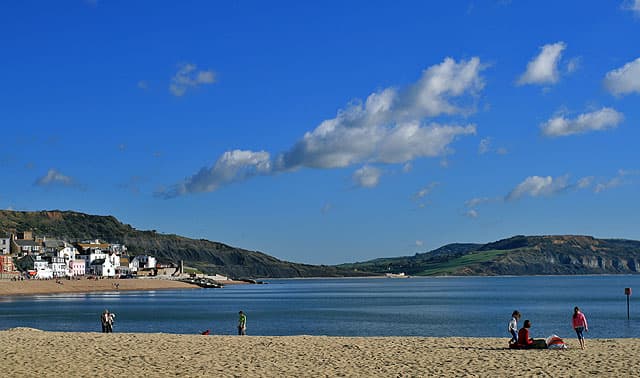
Lyme Regis Beach
Fossil hunters come here and walk straight past the glass. The town rubbish tip sat on the cliffs from Victorian times to the 1960s, and the landslips keep spilling it onto EAST BEACH: "people come here to find fossils; they leave the glass and pottery." Best after a storm. Reach it by walking east from the seafront along Church Cliff Walk, or down the 114 steps from the Charmouth Road car park. The beach is cut off at high tide, so check the tides. Safety: Black Ven behind it is one of the most active landslip sites in Europe, so stay off the base of the cliff.
Grail findLoads of glass
North Somerset
Portishead Beach
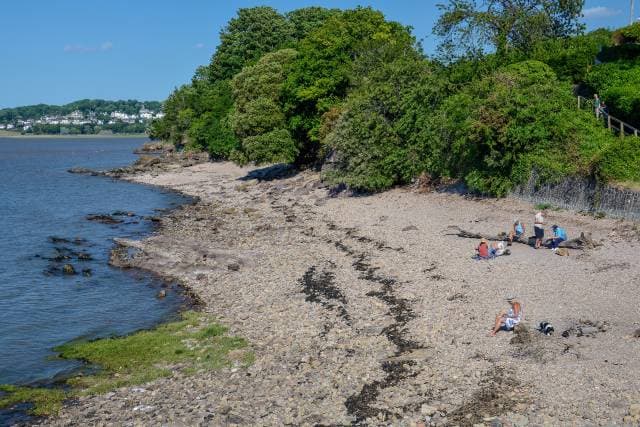
More an estuarine coast than a sandy beach, on the edge of Portishead overlooking the Severn Estuary, with a promenade, marina and a lido (marine lake). Parking along the promenade and near the marina gives easy access.
Common coloursA good amount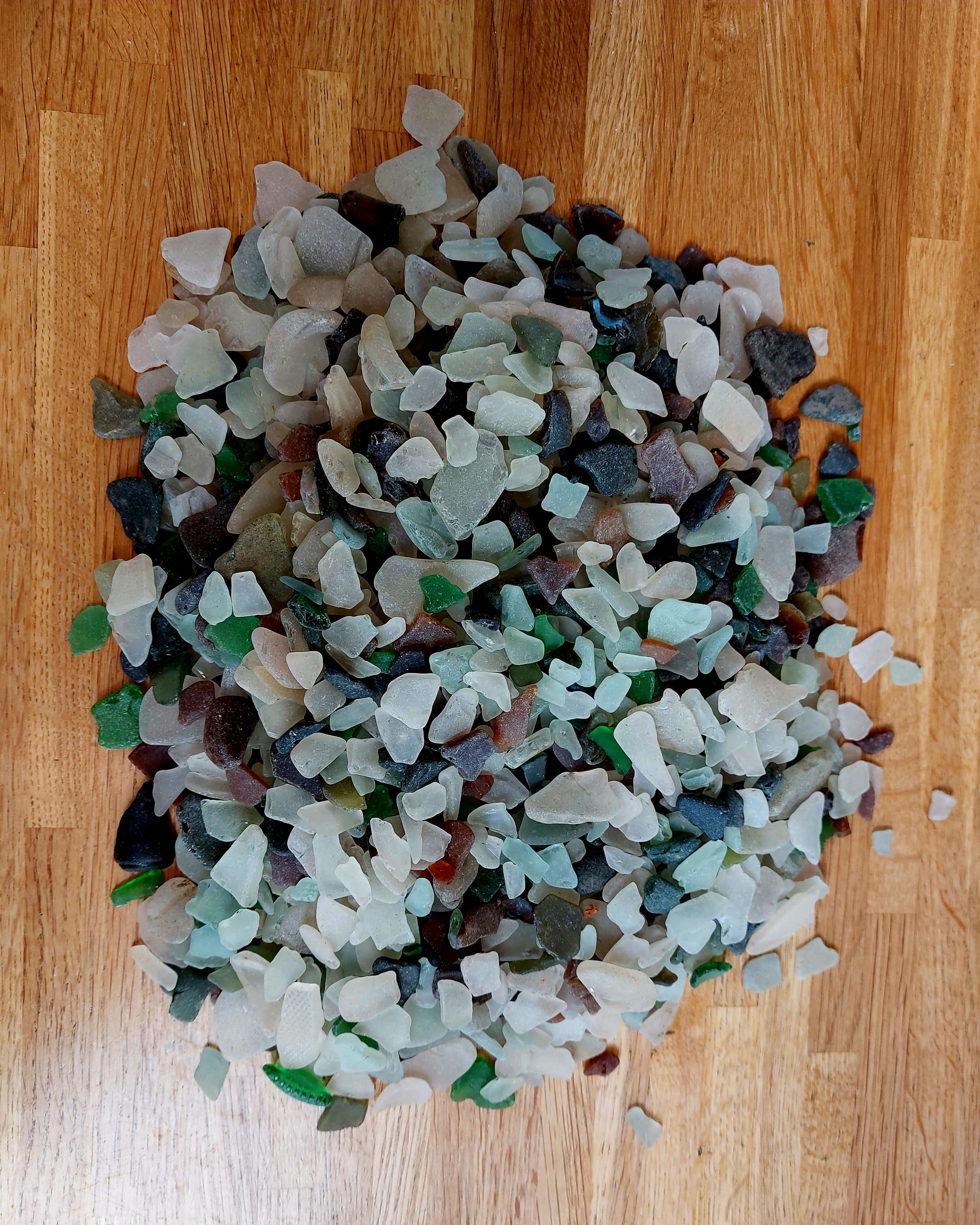
Black Nore Lighthouse
Park in Glenwood Rise and take the path down to the lighthouse. The beach isn't huge but I found loads of glass, nobody else was there. Plenty tucked away towards the back of the beach, in between the rocks.
Common coloursLoads of glass
Redcar and Cleveland
Saltburn Beach
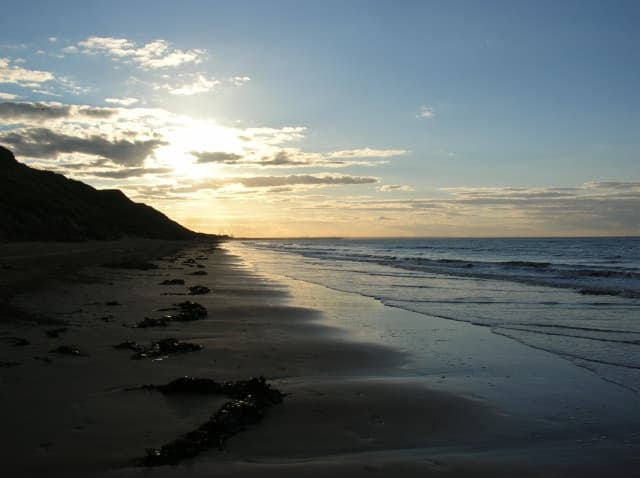
Saltburn is a broad sandy Victorian resort beach beneath cliffs, served by a historic pier and the cliff lift, one of the world's oldest water-powered funiculars. Parking runs along Marine Parade and in town car parks within easy reach. No sea glass colour or abundance data is listed.
Common coloursA good amount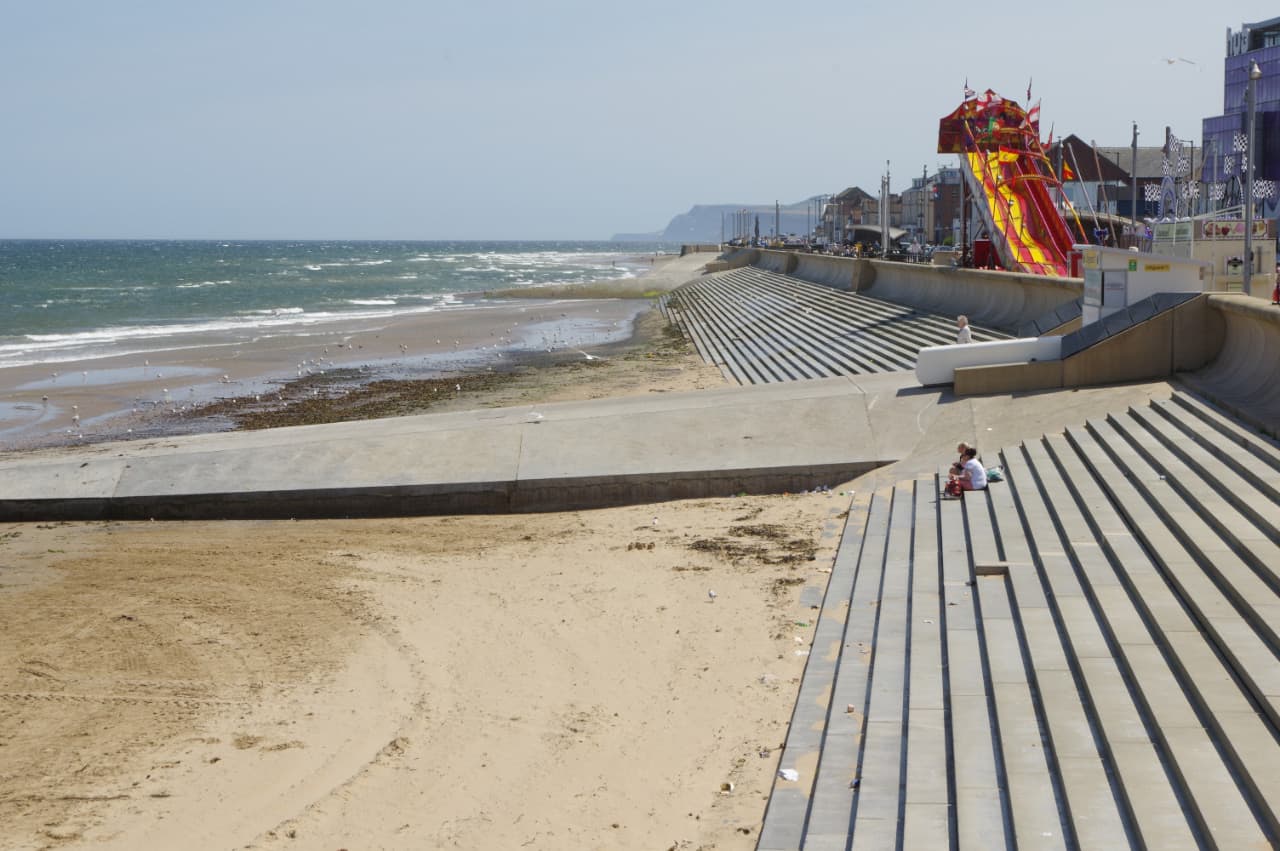
Redcar Beach
A long flat sand beach on the North Sea, with the usual seaside front, the Redcar Beacon and the Zetland Lifeboat Museum. Parking is plentiful and the beach is well signposted. Nobody has written up the glass here yet.
Uncommon coloursA few pieces
Somerset
Brean Cove
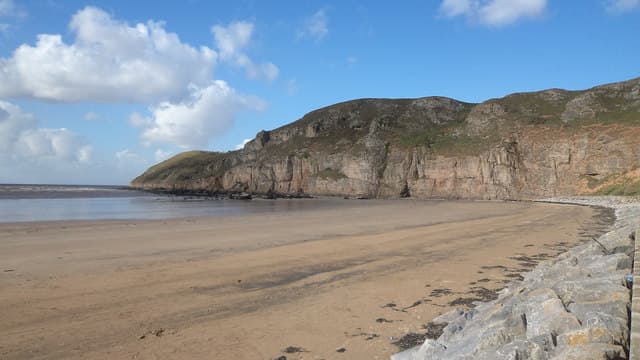
Not Brean Sands. This is the rocky pocket at the FOOT of Brean Down, beside the National Trust car park. A collector who posted photos here describes the sea glass around the rock pools as "incredible: big pieces, little pieces, all kinds of colours". Work the rock pools and the cobble, not the open sand. Safety: the Bristol Channel has the second-highest tidal range in the world. The tide comes in fast, you can be cut off at the foot of the Down, and the low-tide mud is dangerous in itself. Go on a falling tide, never a rising one.
A good amount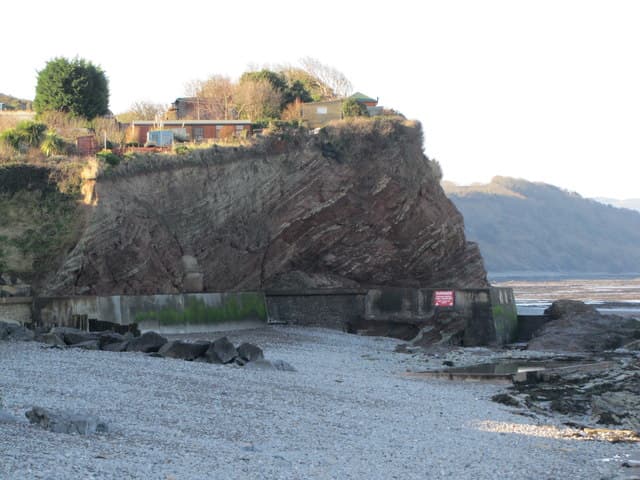
Watchet Beach
Rock, pebble and patches of sand on the Somerset coast, with a fossil-rich foreshore and mudflats at low water, beside Watchet's old harbour and marina. Parking is near the town centre. Nobody has written up the glass here yet, though an old harbour and a pebble foreshore are a promising pair. Photo : Matthew Chadwick / CC BY-SA 2.0, via Wikimedia Commons. https://commons.wikimedia.org/wiki/File:Cliff_on_Watchet_Beach_-_geograph.org.uk_-_4274233.jpg
Elsewhere in United Kingdom
Caithness
Thurso beach
Common colours
County Down
Skipping stone
nice place, sit on the sandy bit of the beach and dig- you will find small pieces but quite nicely tumbled. a short walk from the marina, past the childrens play area.
Common coloursLoads of glass
County Londonderry
Portrush
Rock beach, have to hunt for seaglass but also you can hunt for fossils at the same time. very close to road parking but busy place to park
Common colours
Dumfries and Galloway
Stranraer Bay
A few scattered pieces of glass all along the waterfront. Also a lot of nice pottery pieces from local dairies.
Common coloursA few piecesEast Sussex
Beach
Low tide is best, lots to find amoung the shingle all the way along. Lots of Green.
Rare coloursA good amount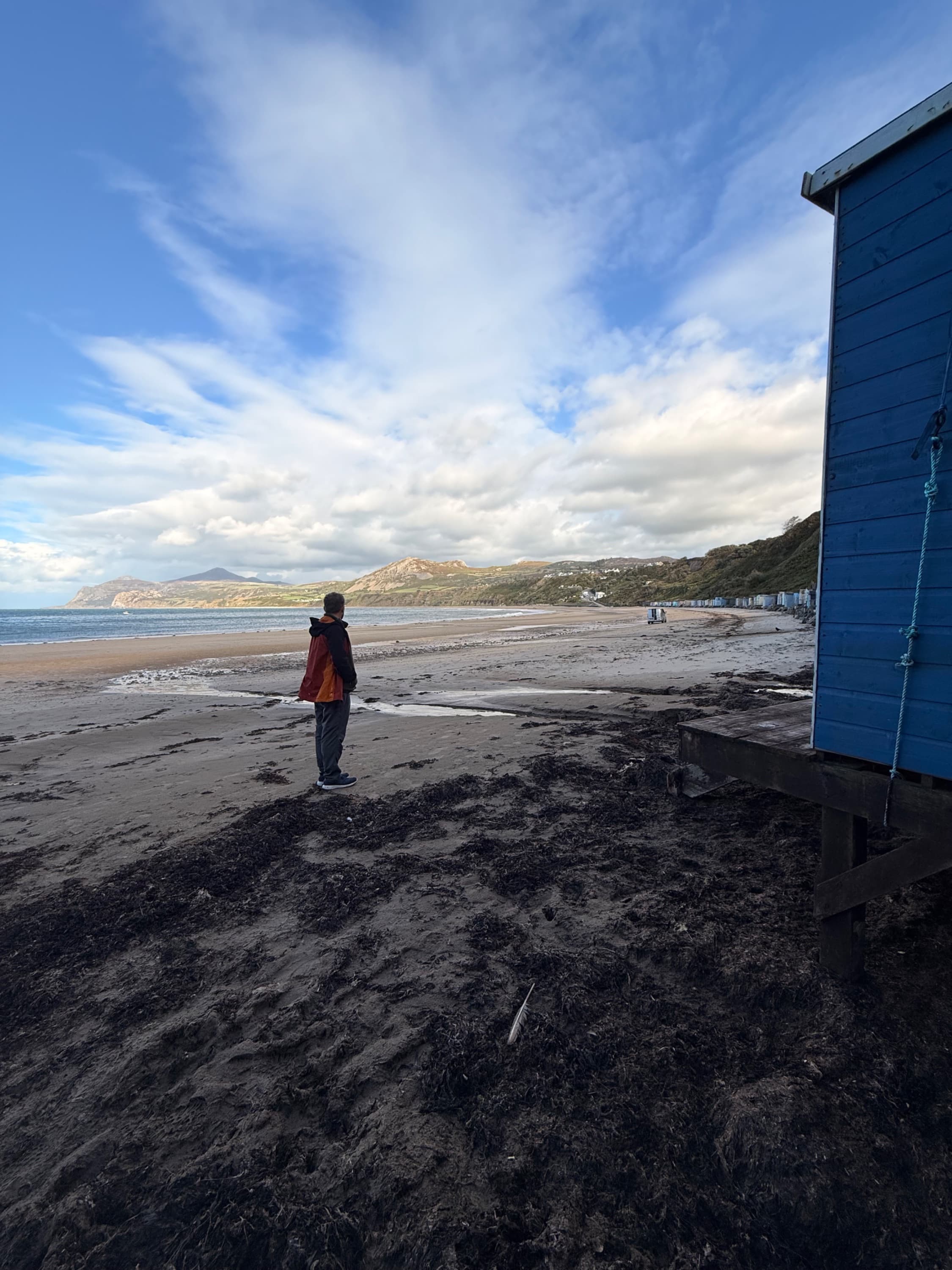
Gwynedd
Nefyn beach
Car park at bottom of the beach hill. Low tide is a good time to go, walking up to the furthest end of beach for the best area.
Grail findA good amount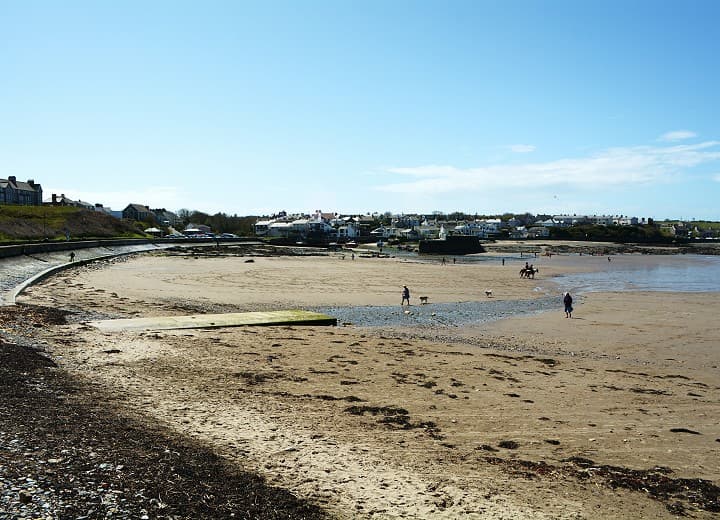
Isle of Anglesey
Traeth Bach, Cemaes Bay
Traeth Bach is the little beach at Cemaes, on the west side of the bay across the Afon Wygyr from the bigger, sandier Traeth Mawr. It is sand with a shingle top and rock at either end, which is the ground glass settles into, and it sits right off the coast road with the village car park a couple of minutes behind it. Cemaes is the most northerly village in Wales and its harbour did real work: it shipped out china clay, bricks and ochre and brought in everything a rural district could not make for itself, on top of a herring trade and a shipbuilding yard turning out vessels of up to four hundred tons in the 1830s. That is the kind of small busy port that leaves glass in a bay for a century afterwards. Collectors have been saying so for years. A visitor in 2019 called it beach glass heaven, another came for sea glass and shells in 2024, and a collector working the bay in August 2026 came away with white, green and amber, a few dark olive pieces, a couple of blue shards and a first piece of black. Work the shingle line as the tide drops, then the rockpools at either end once it is properly out.
Rare coloursLoads of glassLincolnshire
North beach
Common colours
Liverpool City Region
Crosby Beach
A first-hand haul here ran to 200+ pieces / 350 g. The productive ground is the rocky, rubble-strewn area just to the RIGHT of the main car park (Hall Road, by the Coastguard Station). It is Blitz rubble from Liverpool, so expect wired safety glass and sea pottery mixed in. Purple turns up too, the kind you only see held up to the light. Safety, and it is serious: sinking mud and fast, unpredictable tides. The RNLI and HM Coastguard run repeated mud rescues here. Sefton's own rule is to stay within 50 m of the promenade at all tides, which is where the glass is anyway. Do not walk out to the Gormley statues.
Rare coloursLoads of glass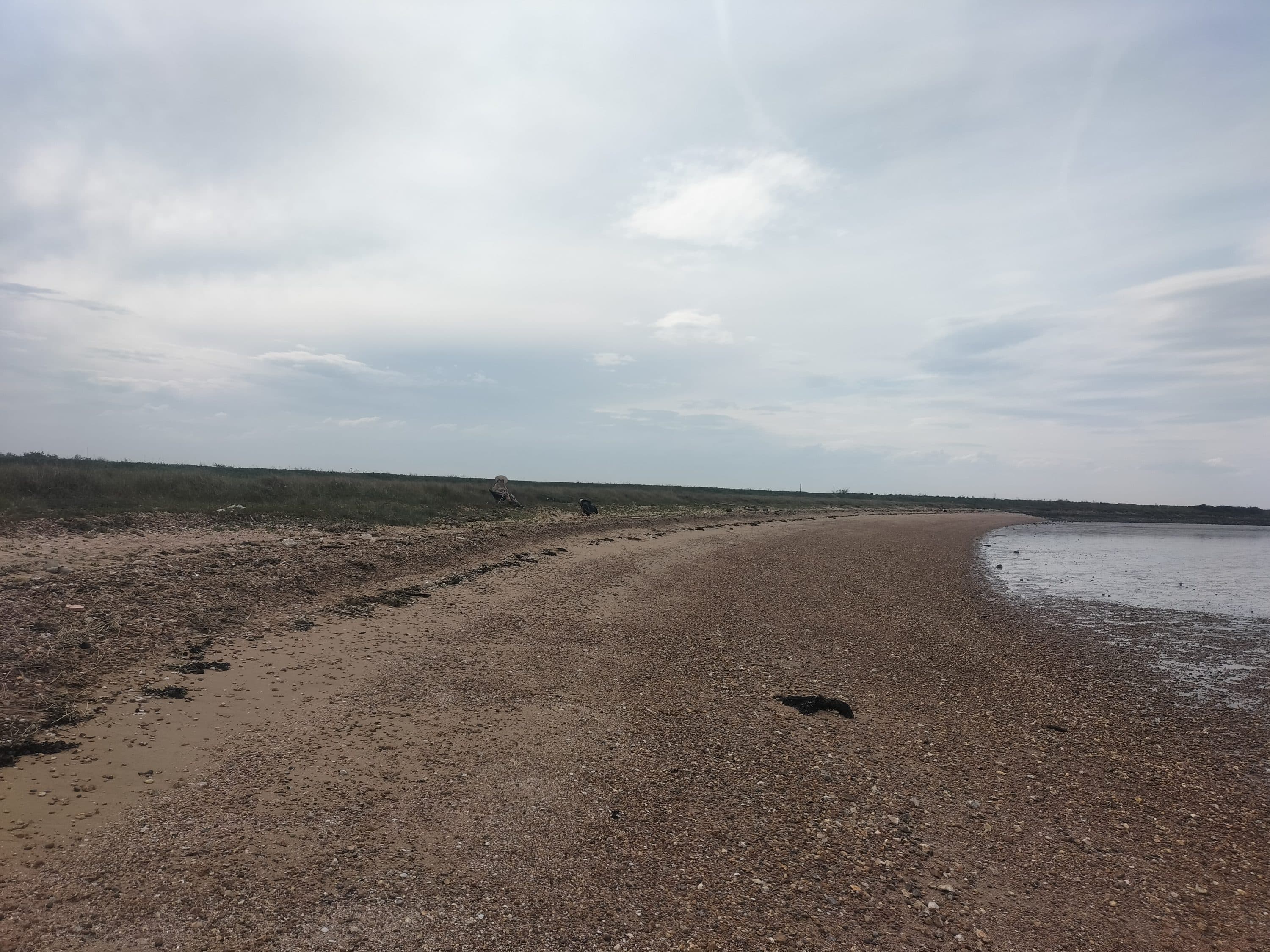
Medway
Coombe Point Bay
It's the site of an old dump/tip, which is washing out bit by bit. Not well-cooked but stunning pieces available
Grail findLoads of glass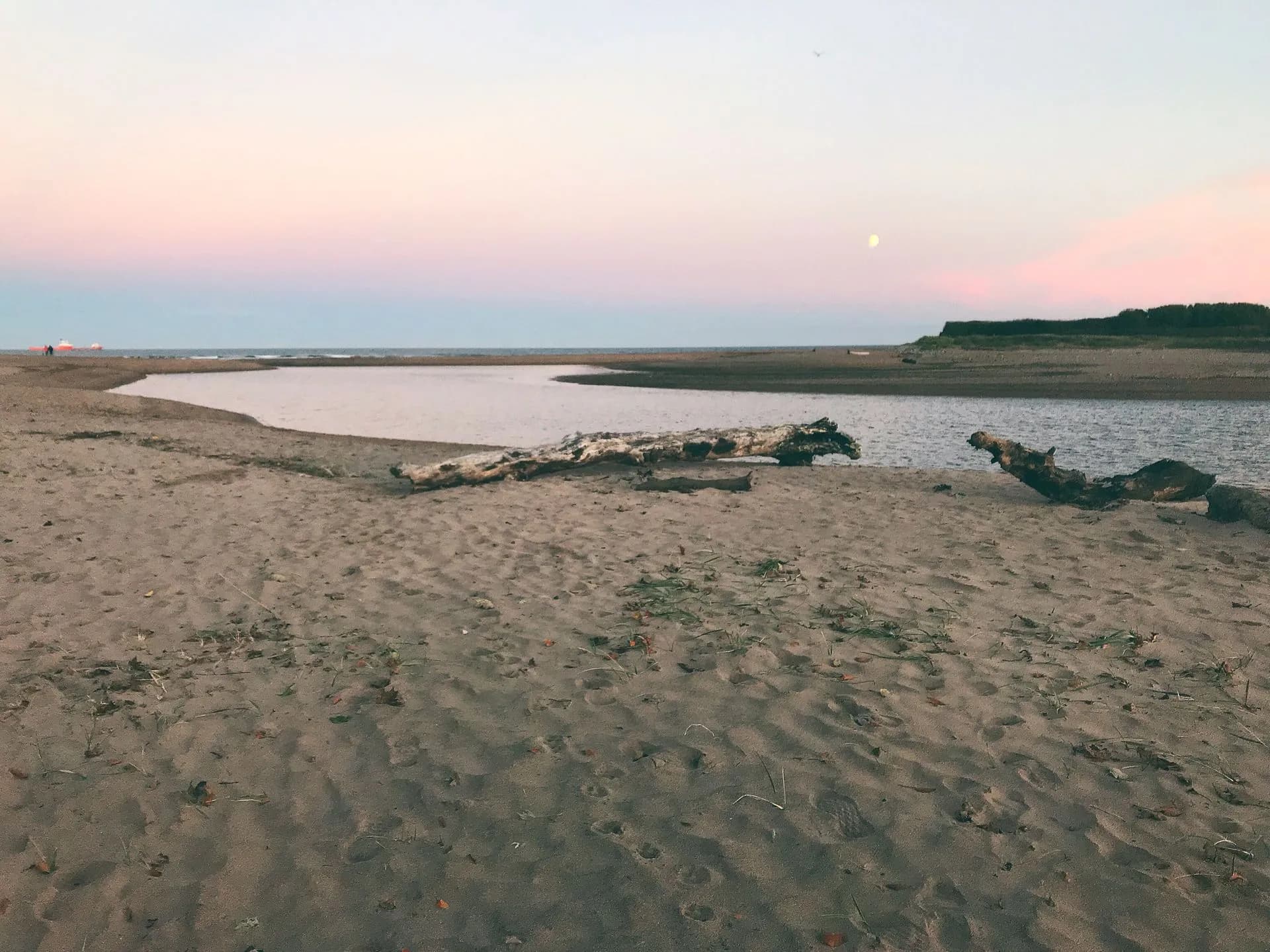
North Ayrshire
Stevenston Beach
The Ayrshire sea glass beach. Not Dunure (that is an agate beach), and not Girvan. An Ayrshire local with a long beachcombing record calls it "great for sea glass collecting". The glass here is industrial: the Portland Glass Co. worked at Ardeer from the 1920s, and waste from the old port of Irvine drifts down the coast. Search the strandline and the shingle rather than the dry sand. The dunes behind are a local nature reserve, so please keep off them.
A good amount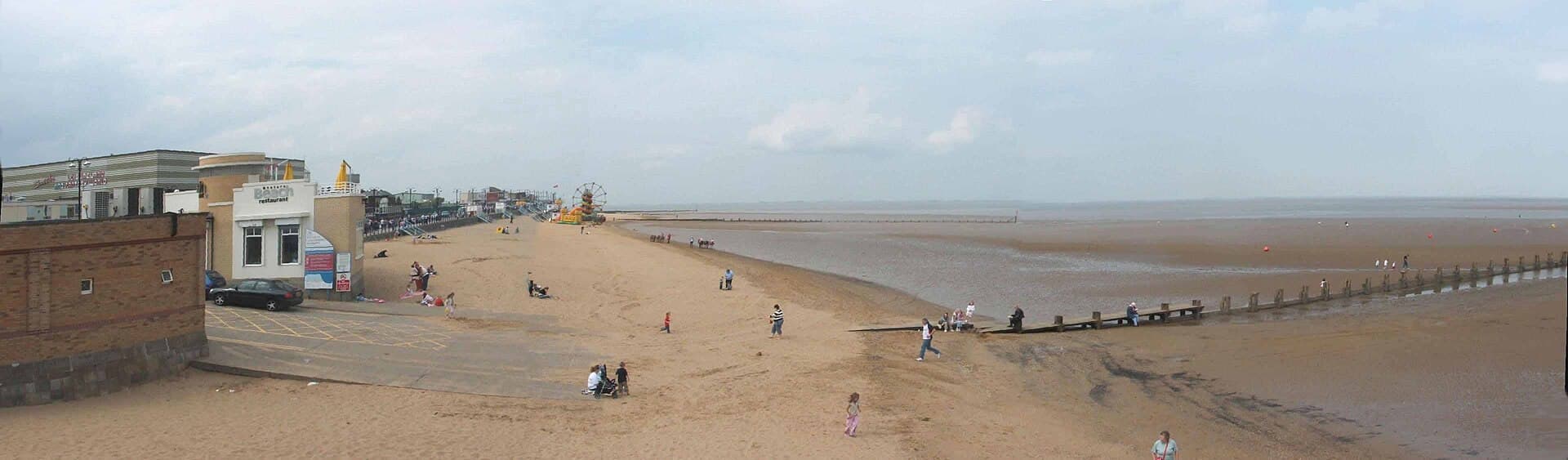
North East Lincolnshire
Cleethorpes Beach
Grimsby is a seaport with no beach of its own, so the sand is here instead, along the Humber estuary at Cleethorpes. Large seafront car parks put you on it in a minute, and the promenade still runs donkey rides and a seaside railway. Nobody has written up the glass here yet.
Common coloursA good amountPembrokeshire
Gelliswick Beach
Common coloursA good amount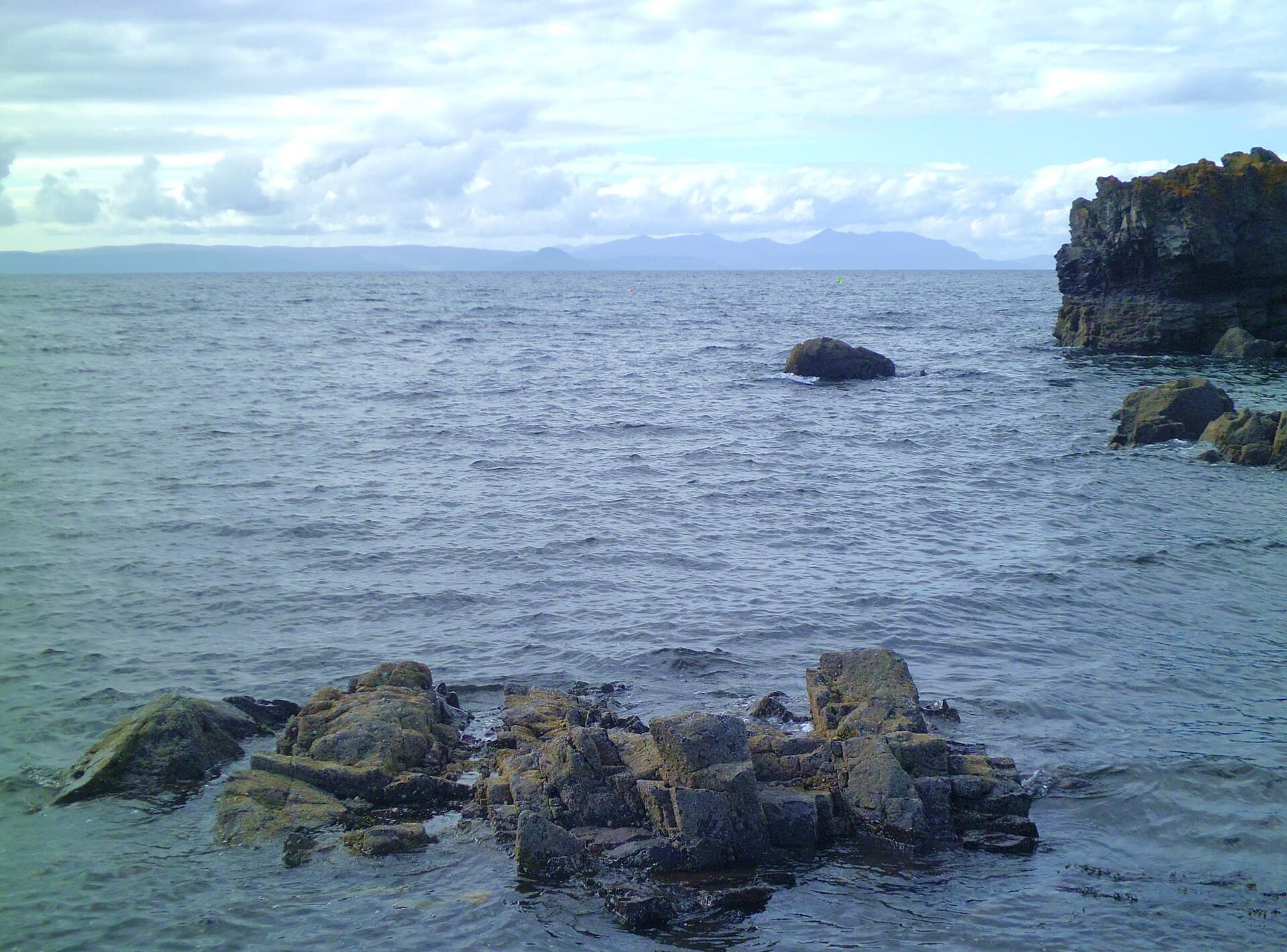
South Ayrshire
Dunure Beach
A rocky, pebbly Ayrshire shore of coves and outcrops, under the ruins of Dunure Castle. Park in the village by the harbour and walk down. Be clear what you are coming for, though: Dunure is an agate beach. Nobody has written up sea glass here, and for that, Stevenston up the coast is the one collectors name.
Strathclyde Region
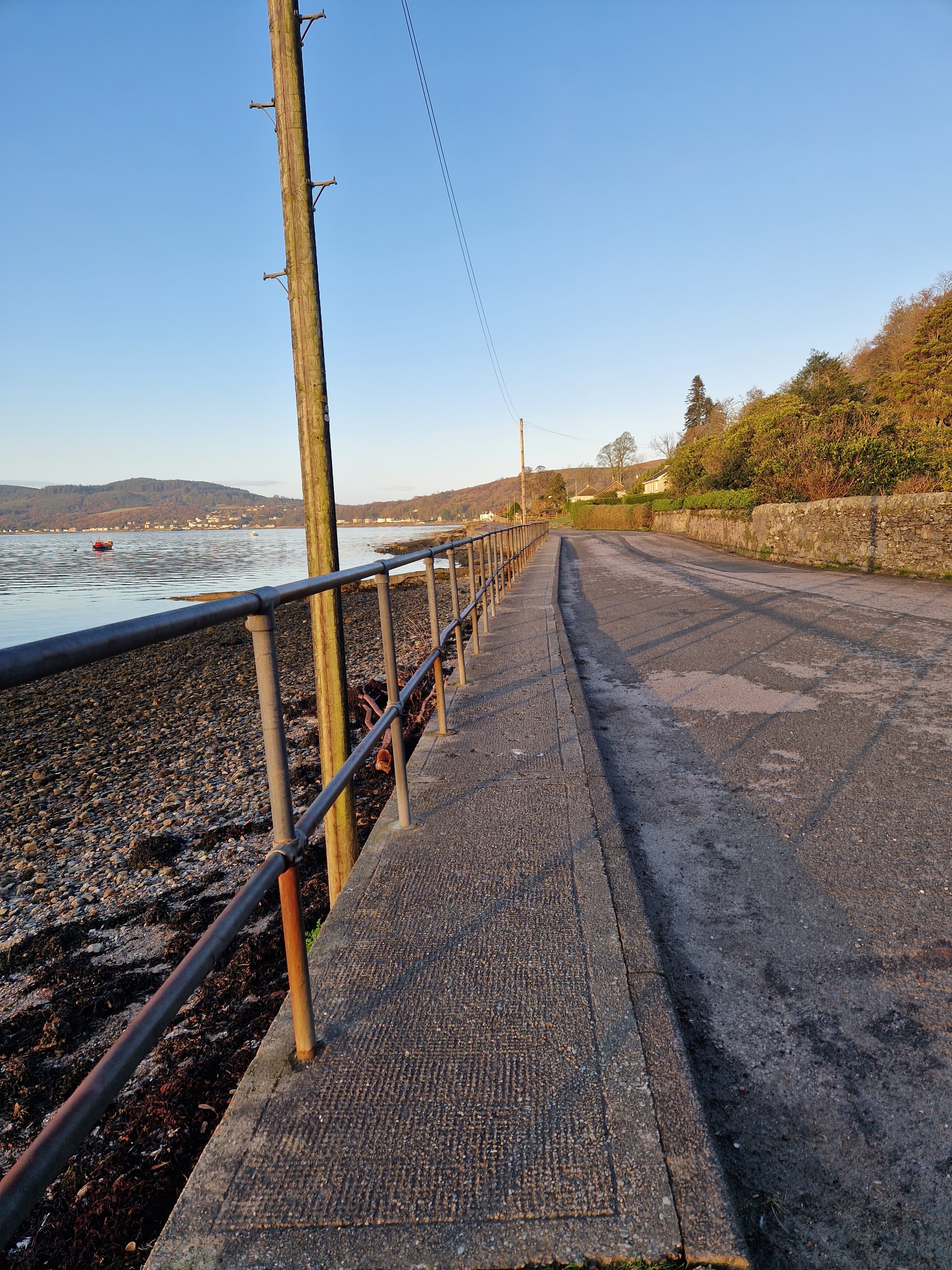
Tiaghnabruich Beach
Rare coloursLoads of glass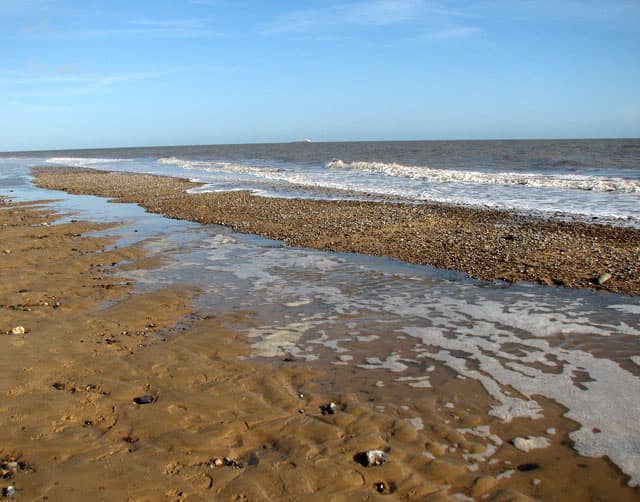
Suffolk
Covehithe Beach
Sea glass is attested here, but nobody has published what you actually come away with. The reason it is worth the trip is also the reason to be careful. There is no car park. You park on the grass verge by St Andrew's Church and walk 10-15 minutes along a field-edge farm path, then scramble down the dune. The cliff is the fastest-eroding coastline in England (about 4 m a year); the old beach path now ends at a 25-metre drop. Above all: the beach is cut off by the tide and there is NO way up the cliff behind you. Low tide only, and go down on a falling tide.
Hard to reachVale of Glamorgan
Penarth Place
Common colours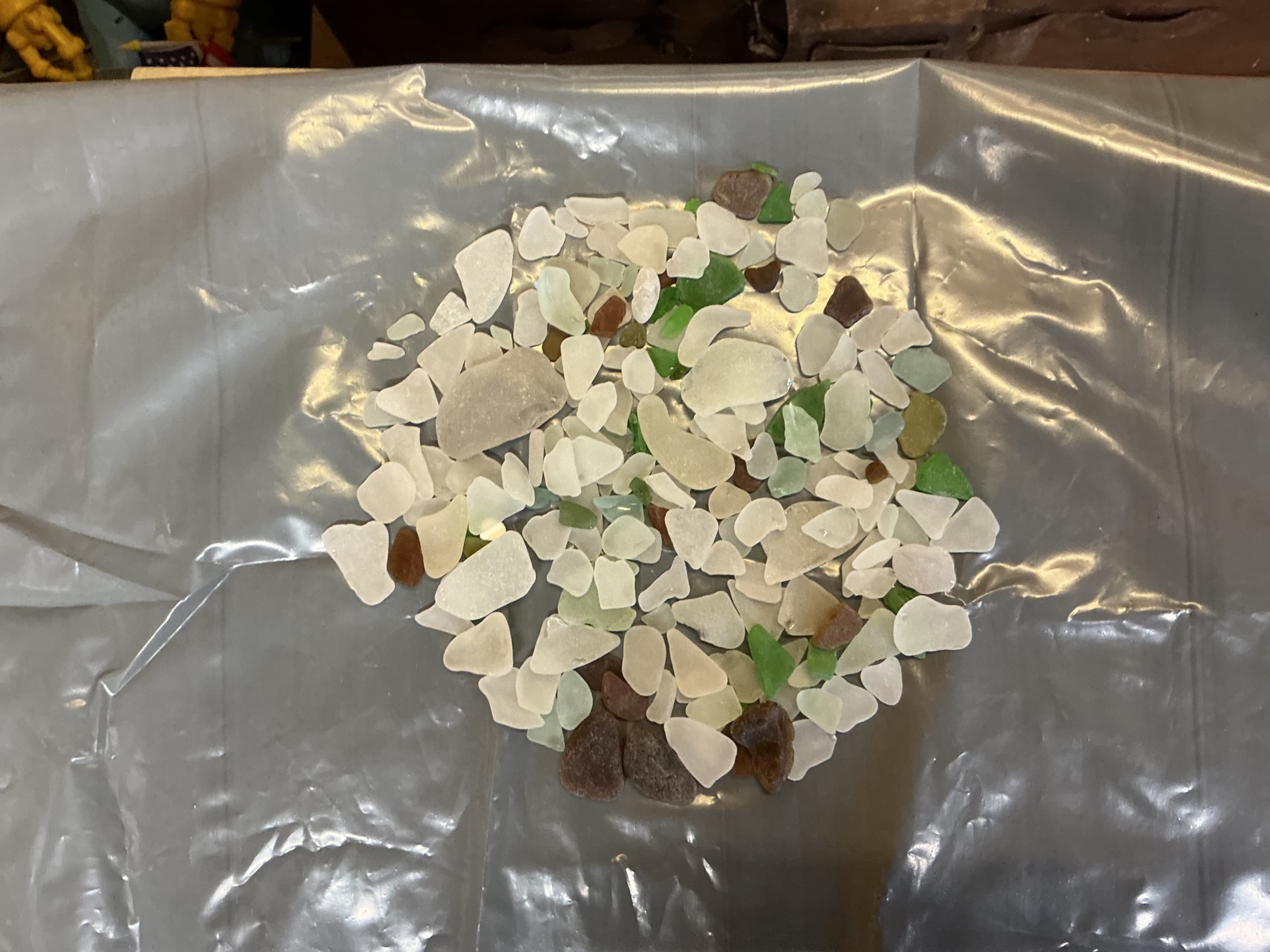
Westmorland and Furness
Joes Beach.
Walk shoreline as the tide goes out.
Common coloursA good amount
Sea glass beaches in other countries
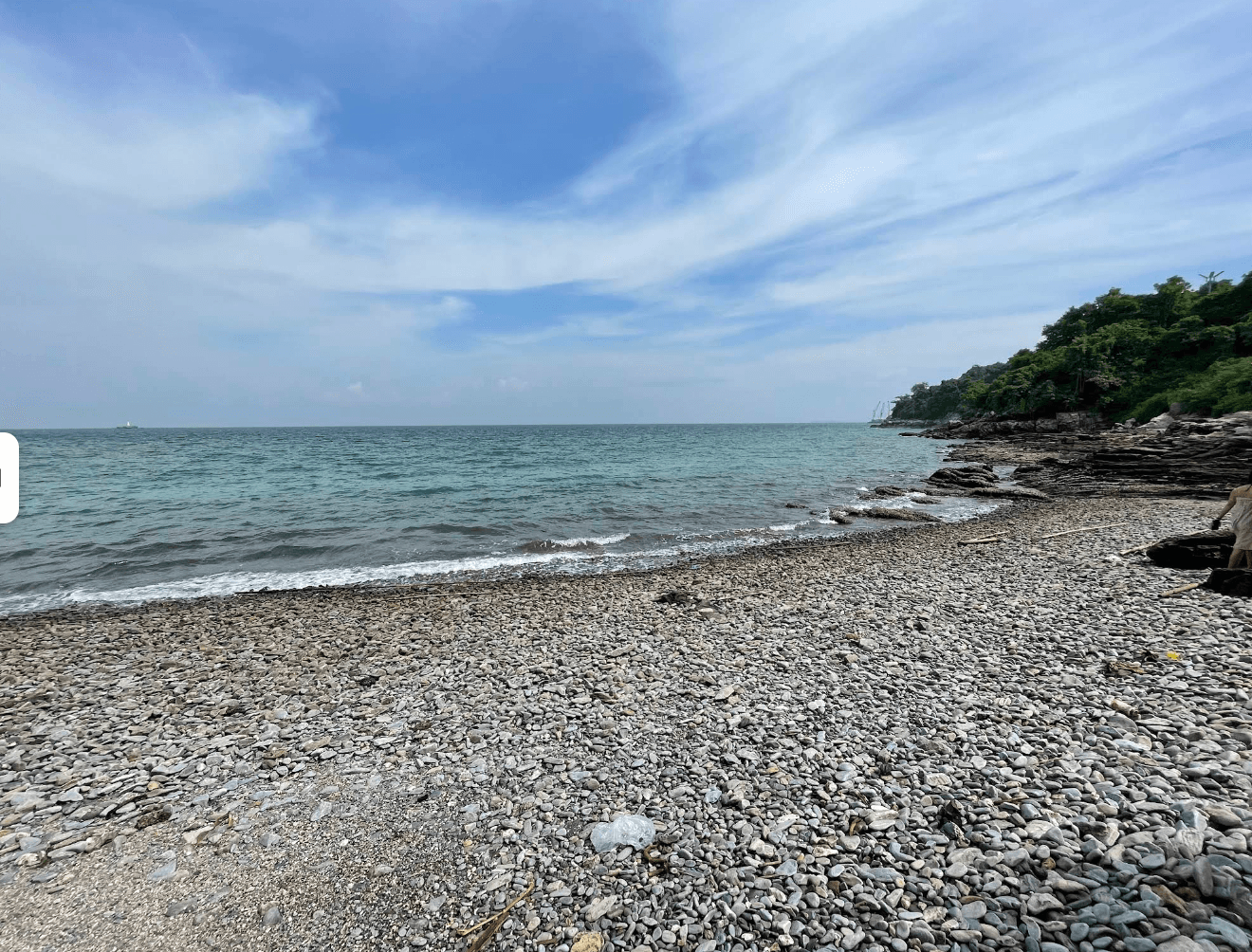
Found sea glass in United Kingdom?
Drop the beach on the map so the next person knows where to look.
Add a spot